Essential Guide to Maintaining Your Swimming Pool in Melbourne: Navigating Australia’s Unique Climate and Services
Swimming pools are a popular feature in many Melbourne homes, providing a refreshing retreat during the city’s hot summers and a tranquil space on milder days. However, maintaining a pool in optimal condition demands consistent effort, particularly in light of Melbourne’s notoriously unpredictable weather patterns. Often described as having “four seasons in one day”, the city’s climate presents unique challenges for pool owners. These include sudden temperature drops that affect water chemistry and intense UV exposure that accelerates algae growth. Understanding these local nuances is therefore key to enjoying a crystal-clear pool year-round. This comprehensive guide explores the peculiarities of pool care in Melbourne and draws on Australia’s broader environmental context to provide practical insights into effective maintenance strategies.
Melbourne’s climate: A Double-Edged Sword for Pool Owners
Australia’s diverse geography has a significant influence on pool maintenance, but Melbourne stands out due to its temperate oceanic climate. Summers can bring heatwaves, with temperatures sometimes exceeding 40°C. This leads to rapid water evaporation and increased demand for chlorine. Strong UV rays break down sanitizers faster, making it easier for algae to thrive if the pool is not monitored closely. In contrast, winters are cooler and wetter, with average lows of around 6–7 °C. This reduces pool usage, but can cause issues such as frozen equipment or bacterial build-up if the pool is left uncovered.
Autumn and spring bring their own challenges. Falling leaves from native eucalyptus trees and other foliage can clog skimmers and filters, and pollen in spring can turn the water murky. Storms, which are common during these transitional periods, introduce debris, dirt and contaminants from urban runoff into the water. Melbourne’s proximity to the coast also means there are occasional salt-laden winds, which can corrode metal components if left unaddressed.
Water conservation is another critical issue in Australia. The country has a history of droughts, and Victoria’s water authorities often impose restrictions. For example, during dry periods, the refilling of pools may be restricted, highlighting the importance of efficient water management. Pool owners must strike a balance between this and maintaining safe water levels to prevent pump damage. These factors mean that routine care is more demanding than in more stable climates, such as those found in tropical Queensland or arid Western Australia.
The core components of effective pool maintenance
Maintaining a pool involves cleaning, balancing the chemicals and checking the equipment. In Melbourne, where weather fluctuations can cause wild swings in pH levels, it is essential to test the water chemistry weekly. The ideal pH level is between 7.2 and 7.6 to prevent skin irritation and corrosion of the equipment. Chlorine levels should be between 1 and 3 ppm, but in areas with high UV exposure, owners often opt for stabilised chlorine or salt chlorinators, which are popular in Australia due to their low maintenance requirements.
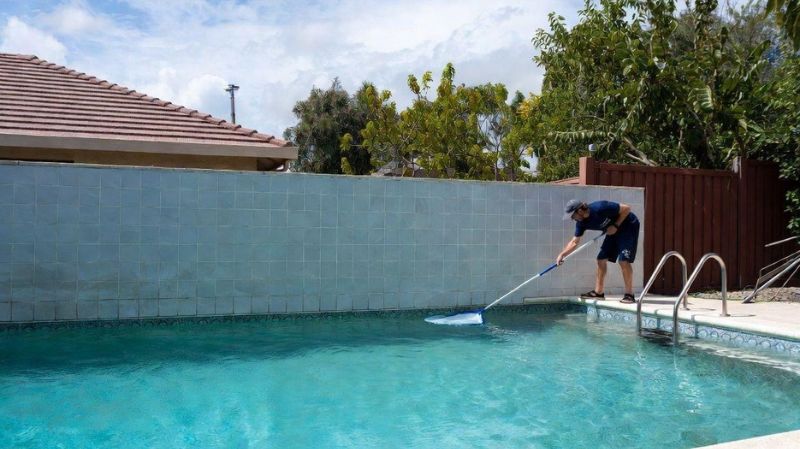
Daily skimming of the surface removes leaves and insects, while weekly brushing of the walls and floors dislodges algae before it can take hold. Vacuuming, either manually or using robotic cleaners, is essential for clearing settled debris. Filters, whether sand, cartridge or diatomaceous earth, require backwashing or cleaning monthly depending on usage. Neglecting this in Melbourne’s variable conditions can lead to cloudy water or pump strain.
Equipment maintenance is equally important. Pumps, heaters and chlorinators should be inspected every season. Australia’s commitment to energy efficiency has led many locals to upgrade to variable-speed pumps, which help to reduce electricity bills amid rising costs. Solar heating systems are common in Melbourne, where they harness the abundant sunshine. However, they require regular checks for leaks or panel buildup.
Professional assistance: When and why to seek help.
For many busy Melburnians, taking care of everything alone can be overwhelming. This is where specialised pool cleaning services come into play, offering tailored solutions to the challenges faced by Melbourne residents. These experts provide regular visits — weekly, fortnightly or monthly — to ensure consistent care. A typical session includes skimming, vacuuming, brushing, chemical testing and filter maintenance, all of which are adapted to local weather patterns.
A notable feature of pool cleaning services in Melbourne is their emphasis on restoring green pools. Neglect during the off-season or after storms often results in algae blooms, turning the water a murky green colour. Professionals use shock treatments, algaecides and heavy-duty vacuuming to restore clarity without draining the pool, thus aligning with water-saving practices. This service is particularly valuable in suburbs such as those in the north and west of the city, where larger gardens and more trees exacerbate debris issues.
Another unique feature is the emergency response for post-storm clean-ups. Melbourne’s unpredictable rainfall can cause pools to become contaminated, and prompt action can prevent long-term damage. Many providers also handle equipment upgrades, installing energy-efficient technology such as smart robots and LED lights. These are eco-friendly and cost-effective in Australia’s regulatory environment.
Types of maintenance plans suited to Melbourne
The right plan for you depends on how you use your pool and where it is located. For busy family pools in inner-city suburbs such as Port Melbourne, weekly plans are ideal. These include thorough cleaning and chemical adjustments to counteract urban pollution. Fortnightly plans are better suited to pools that are used less frequently, such as those in the eastern suburbs, and focus on preventing imbalances caused by temperature fluctuations.
Monthly plans are ideal for areas with low usage, such as cooler southern regions, where the focus is on winterisation to prevent freeze damage. One-off services are popular for seasonal preparation, such as summer pool openings, when the water is treated and debris is removed after the winter covers are taken off. In Australia, where bushfire seasons can deposit ash, specialised ash removal services are sometimes offered.
Sustainability is a key feature. Many providers in Melbourne use eco-friendly chemicals and encourage the use of rainwater topping up to comply with water restrictions. Robotic cleaners, which are self-contained and energy-efficient, are favoured over traditional suction models to reduce water waste.
The benefits of engaging experts in the Australian context
There are numerous advantages to opting for professional pool cleaning services. The time saved is obvious — freeing up weekends for enjoyment rather than chores. The expertise of professionals ensures compliance with Australian standards such as AS 1926.1 for safety barriers, although maintenance focuses more on health codes under the Public Health and Wellbeing Act. Improper chemical handling can result in fines, so professionals mitigate these risks.
Another perk is cost-effectiveness. Regular maintenance can prevent the need for expensive repairs. For example, identifying a small leak early on can prevent structural issues. In Melbourne’s market, services start at around $55 per visit, including chemicals, which is more affordable than the cost of DIY mishaps. What’s more, warranties on work provide peace of mind.
From an environmental standpoint, professionals optimise the use of chemicals, thereby minimising the amount that runs off into Port Phillip Bay. Australia’s commitment to biodiversity means that responsible practices are encouraged, with some services offering organic alternatives.
DIY tips tailored to Melbourne’s peculiarities
While professionals handle complex tasks, simple DIY steps can complement their work. Start with a good-quality skimmer net for daily debris removal, particularly if you live in a leafy suburb. Invest in a test kit for weekly checks — Melbourne’s rainfall can dilute chemicals, so adjust accordingly.
In the summer, when algae are more likely to grow, use UV-stabilised covers to block sunlight. In winter, maintain circulation to prevent stagnation, even when the heating is off. Brush the tiles regularly to combat calcium build-up from hard water, which is a common issue in Victoria.
Handle green pools with caution: super-chlorinate and filter continuously, but consult experts if the problem persists. In terms of equipment, clean the pump baskets weekly and backwash the filters after heavy rain. To be sustainable, collect rainwater for top-ups during restrictions.
Regulations and eco-friendly practices in Australia
Australia’s pool laws prioritise safety and the environment. In Victoria, for example, pools must have compliant barriers that are inspected every four years. Maintaining clear gates and fences indirectly supports this.
Water usage is regulated by South East Water and similar bodies. During stage 3 restrictions, it is not possible to fill new pools from the mains, which has led to innovations such as greywater systems. Chemical disposal must adhere to EPA guidelines to prevent waterway pollution.
Melbourne-based providers often support green initiatives by using phosphate-free products to prevent algal blooms in local ecosystems. Solar-powered equipment helps to reduce carbon footprints and aligns with Australia’s renewable energy goals.
How to select the best provider in Melbourne
When choosing from among Melbourne’s many options, consider the company’s reputation, certifications and coverage of suburbs. Look for SPASA (Swimming Pool and Spa Association) members to ensure quality. Read reviews on platforms such as Airtasker or Yelp to gain an understanding of how reliable they are.
Compare plans and ensure they include Melbourne-specific adaptations, such as storm preparation. Prices vary, but expect to pay between $100 and $200 per month for comprehensive care. Free quotes and trial visits help you to assess suitability.
Differences between suburbs matter: northern areas might need more leaf management, while coastal spots need to focus on salt corrosion. Mobile services, which are common here, offer the added convenience of not requiring fixed premises.
Enjoy your pool sustainably!
To master pool maintenance in Melbourne, it is important to be aware of the city’s unique climate and regulatory landscape. Addressing seasonal challenges proactively through regular cleaning, balanced chemistry and timely equipment checks can extend your pool’s life and enhance enjoyment. Whether you opt for a DIY approach or professional pool cleaning services, consistency is key. With Australia’s focus on sustainability, adopting eco-friendly practices can save you money and protect the environment. Dive into a well-maintained pool and let Melbourne’s variable weather enhance rather than hinder your backyard oasis.