Securing Industrial and Residential Sheds: Structural Upgrades for Harsh Climates
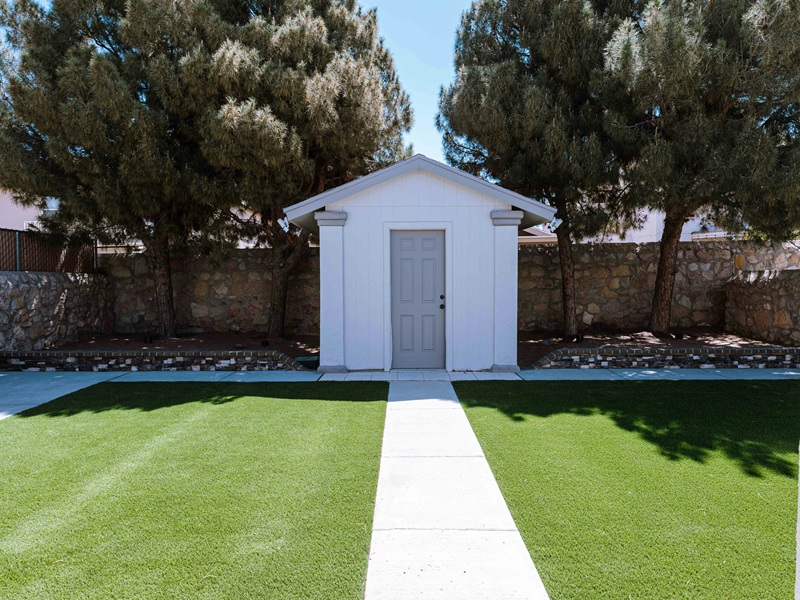
A backyard shed is more than just storage; it’s a workshop, a creative space, or even a vital part of your business. But here in Australia, the weather can switch from brilliant sunshine to cyclonic winds or torrential downpours in a flash. That means a standard off-the-shelf shed might not cut it. To make sure your shed can handle whatever the climate throws at it, you need to think beyond the basic build and consider some key structural upgrades.
Start with a Strong Foundation
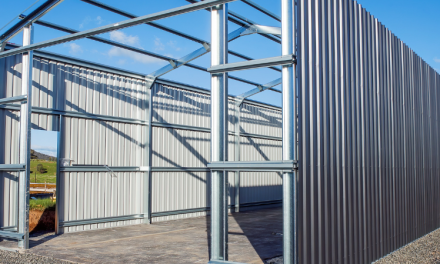
Any strong structure starts from the ground up. Many basic shed kits are designed to sit on simple pavers or even just level ground. That’s simply not enough to stand up to high winds or ground saturation from heavy rain. The best upgrade you can make is anchoring your shed to a solid concrete slab.
A properly poured concrete slab gives you a stable, level base that stops twisting and shifting. More importantly, it provides a solid surface to bolt the shed frame to. Use heavy-duty anchor bolts or brackets made for high-wind areas to secure the shed frame’s base plate directly to the concrete. This connection is what keeps your shed from becoming a kite in the next big storm. If you’re planning a new build, this step is non-negotiable, and this ultimate guide for outdoor storage offers a great overview of foundation options.
Reinforce Walls, Roof and Entry Points
Once the base is secure, the next weak points are the large, flat surfaces of the walls and roof, along with the biggest opening: the door. Standard metal sheeting can buckle under extreme wind pressure, and flimsy doors can easily blow in or rip from their hinges.
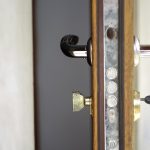
Think about adding extra bracing to the internal frame, especially at the corners and across long wall spans. For the roof, installing purlin straps that connect the roof trusses or beams to the wall frames will significantly improve its ability to resist uplift from wind. The main door is often the biggest structural vulnerability in most sheds. Flimsy, single-skin roller doors or barn doors offer little resistance. Upgrading to robust, professionally installed garage doors can make a huge difference for larger residential or industrial sheds. These doors are built with stronger tracks, wind-rated panels, and better locking mechanisms, offering both security and superior weather protection.
Seal the Deal with Weatherproofing
A shed that stands up to wind is great, but it’s useless if everything inside gets soaked. Water getting in is a big problem during heavy rain, leading to rust, mould, and damaged tools or equipment. Effective weatherproofing needs a multi-pronged approach.
Start by sealing every gap and joint with a high-quality, flexible silicone sealant. Pay close attention to the join between the wall base and the concrete slab, around window frames, and where the roof panels overlap. Installing proper guttering and downpipes is also crucial to direct rainwater away from the shed’s foundation, stopping water from pooling and seeping underneath. For doors and windows, install durable weather stripping around the entire perimeter to create a tight seal when closed. These targeted weather-resistant shed upgrades can dramatically improve your shed’s defence against driving rain.
The Importance of Regular Inspections
Making these upgrades isn’t a “set and forget” task. Australia’s harsh climate means constant exposure to UV rays, temperature changes, and moisture, all of which wear down building materials. A regular maintenance schedule is key to keeping your shed secure for years to come.
At least twice a year, and always after a major storm, give your shed a thorough check. Look for any signs of rust on metal panels or frames and treat it right away. Check for loose screws, bolts, or rivets and tighten them. Inspect all your seals and weatherstripping for cracking or peeling and replace them if needed. Clearing debris from your gutters is also vital to prevent blockages and overflows. A little proactive maintenance can stop a small issue from turning into a catastrophic failure down the track.
Taking the time to reinforce your shed’s structure is a smart investment. It protects the valuable items you store inside and ensures your shed remains a useful and safe part of your property for many years, no matter the weather.