Rethinking Productivity with Quality Agricultural Machinery
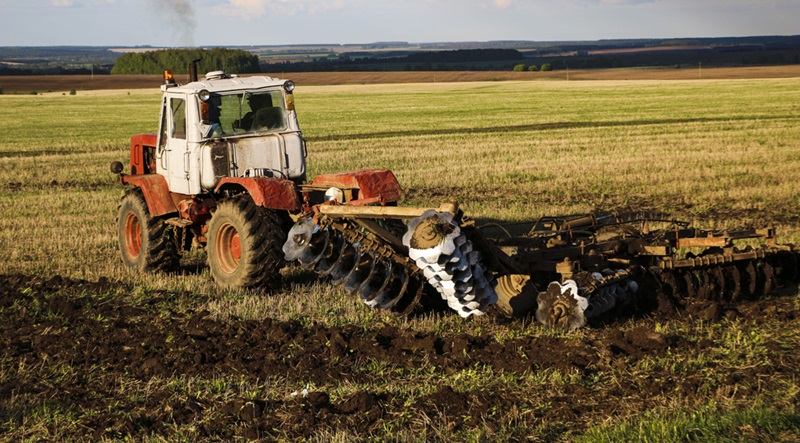
Farming has shifted in ways that are hard to ignore. Yields are scrutinised more closely, margins feel tighter, and the old habit of simply putting in more hours does not carry the same weight it once did. Real progress tends to come from sharper decisions, not longer days.
And that is where the right agricultural machinery can prove helpful, offering a more deliberate path to efficiency without stretching labour to breaking point. With the right setup, work flows better, timing improves, and the land is managed with a bit more intention rather than pure effort.
Engineering Standards That Hold Up In Demanding Conditions
There is a noticeable difference between equipment that lasts and equipment that merely gets through a season. Solid construction is important when conditions shift from dry and dusty to heavy and wet without much warning. Machines built with care tend to handle those swings without constant adjustment. You see it in the way components fit together, in how smoothly they operate after long hours, and in how rarely they demand urgent attention.
Fuel use often tells its own story. Better engineering usually means less waste and more consistent output. It is not flashy, but it adds up. Fewer breakdowns, fewer delays, and less scrambling to fix things when timing is already tight.
Making Practical Use Of Modern Farming Innovations
New features tend to grab attention, though not all of them earn their keep. The ones that do usually make everyday tasks easier without adding unnecessary complexity. Controls that feel intuitive, seating that reduces fatigue, systems that respond without hesitation. These details matter more than they might seem at first glance.
Versatility also plays a role. A machine that handles multiple tasks well tends to justify its place on the farm. Swapping attachments, adjusting settings, and moving from one job to another without fuss. It keeps things moving and reduces the need for extra gear sitting idle most of the year, letting you shift seamlessly from ploughing to harvesting or preparing livestock feed without missing a beat.
Choosing Equipment With Long-Term Planning In Mind
Cutting costs upfront can feel sensible, but it often leads to compromise later. Lower-grade options may look appealing at purchase, though they rarely hold their value or performance for long. Repairs become more frequent, efficiency slips, and what seemed like savings start to erode.
A more measured approach tends to pay off. Equipment that balances durability with adaptability usually supports steady growth. It holds its resale value better and avoids the constant drain of maintenance issues. Viewed over several seasons, the difference becomes clear.
Improving Crop Outcomes With Precision Focused Tools
The way machinery interacts with soil has a direct impact on results. Too much pressure, uneven distribution, or inconsistent placement can undo a lot of careful planning. Modern tools aim to avoid that, working with the land rather than against it.
Precision plays a very important role. Seeds placed evenly, nutrients delivered accurately, soil structure preserved where possible. These factors combine to create more uniform crops and, in turn, more reliable yields. It is a small shift, though one that changes outcomes in a noticeable way.
Maintaining Equipment For Reliable Seasonal Performance
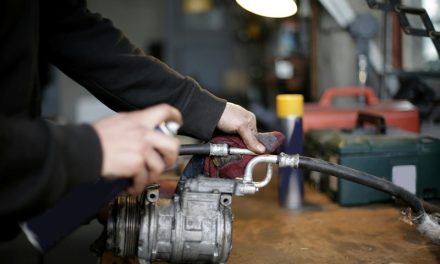
Even well-built machines need attention. Regular checks, proper lubrication, and timely part replacements keep everything running as expected. Skipping these steps rarely ends well, especially during busy periods when downtime carries real consequences.
A consistent maintenance routine reduces surprises. It also helps operators stay ahead of potential issues instead of reacting to them. There is a certain reassurance in knowing that equipment will start when needed and perform without hesitation.
Final Thoughts
Productivity on the farm looks different from what it did years ago. It leans more on precision, reliability, and thoughtful investment rather than sheer effort. Equipment plays a central role in that shift, shaping how work gets done and how consistent the results are.
Choosing well-built machines, using their features wisely, and maintaining them properly creates a steady foundation for growth. It may not transform everything overnight, though it steadily improves the way each season unfolds.