Planning Large-Scale Rural Sheds: How to Visualize Machinery Clearance and Workflow Space
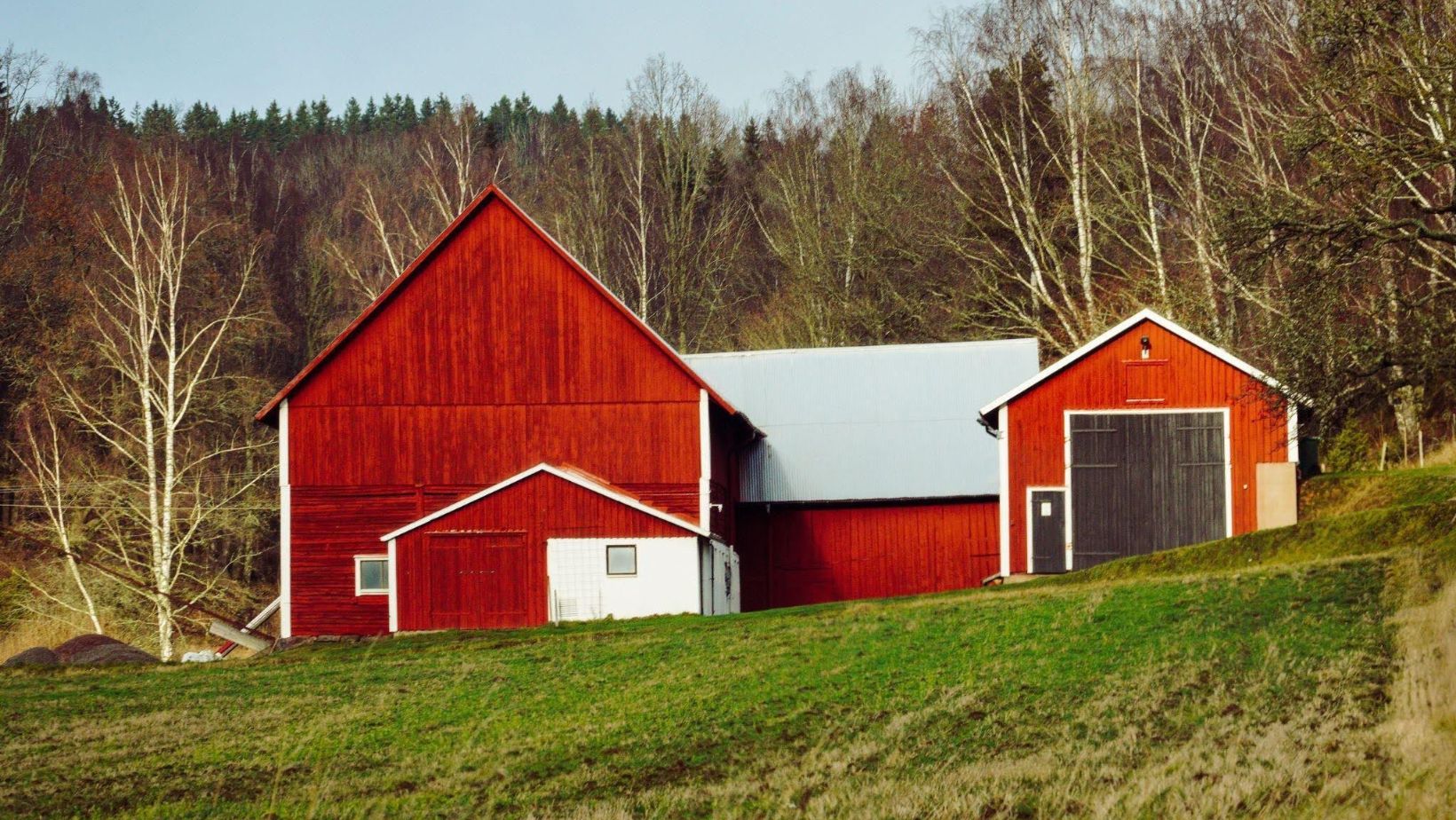
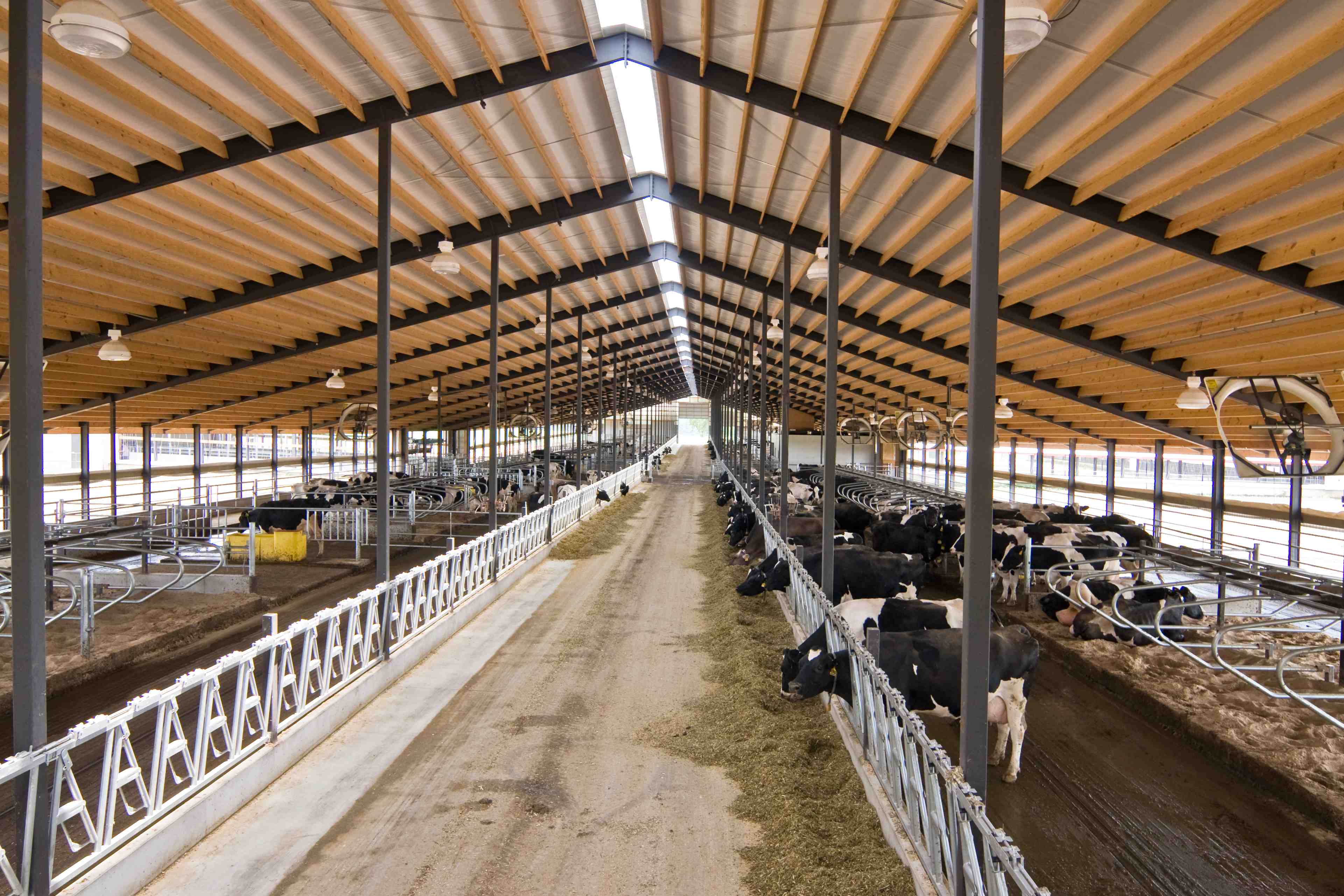
A rural shed looks simple from a distance, but a working farm building is rarely simple inside. It has to hold tractors, combines, air seeders, grain trucks, loaders, tools, spare parts, bulk product, and people moving under pressure. A small error on a flat plan can turn into a daily problem for years. That is where 3d render architecture becomes useful, not as decoration, but as a planning tool. Specialized render companies can show whether a machine can enter, turn, unload, park, and leave without scraping a beam or blocking another task. The scale matters. Mordor Intelligence estimates the agricultural machinery market at about USD 193 billion in 2026, so farms are not planning around small assets. They are planning around expensive equipment that needs space to work.
Transitioning From Guesswork to Precision via 3D Modeling
Old shed planning often depends on tape measures, memory, and rough marks on a yard. That can work for a small storage bay. It is risky for a shed that must handle a combine with an extended auger, a high-clearance sprayer, and a loaded grain truck in the same week. A digital model gives the farmer and builder a shared virtual twin before steel is ordered. With 3D architectural rendering services, the team can test height, width, turning paths, door positions, drainage points, and work zones in a single view. It also changes the conversation. Instead of arguing over what a number on a drawing means, everyone can point to the same model and decide if the workflow makes sense.
Simulating Machinery Clearance and Spatial Ergonomics
Evaluating Vertical and Horizontal Clearance Boundaries
Clearance is not only about door width. It is about the machine’s full working envelope. A tipper trailer may fit through the opening when lowered, then hit a truss when raised. A front-end loader may clear a side wall when driving straight, then swing too close when turning toward a feed bay. A combine auger can create another problem. John Deere lists the S7 800 with a 14,100-liter grain tank and unloading auger options up to 8.7 meters, with peak unloading at 150 liters per second. Those numbers are not abstract in a shed. They decide where roof beams, lights, columns, and doors can safely sit. Good 3d visualization services turn those measurements into visible boundaries.
Testing Turning Radii and Maneuverability Envelopes
A shed can look large on paper and still feel tight during harvest. The issue is movement. B-double grain trucks, wide tillage implements, and articulated tractors do not move like cars. They need approach angles, reversing space, swing room, and clear exit paths. A 3D model can map those paths before the site is poured, which is much cheaper than moving a column later. This is where 3d visualization studio work becomes practical. The model can show whether a driver can reverse into a loading lane without crossing a pedestrian area or whether a wide implement can be stored without trapping another machine behind it. It saves time when time is thin.
Designing Optimized Workflow Ergonomics and Storage Efficiency
Streamlining Grain Handling and Commodity Loading Zones
Grain and fertilizer sheds need more than floor area. They need safe movement, realistic stockpile geometry, and clean loading logic. Digital simulations can show the natural cone shape of piled grain, estimate the usable cubic volume, and test whether augers, conveyors, and trucks have enough overhead clearance. This helps prevent a common mistake: designing storage capacity that looks correct in square meters but fails in real handling. An architectural visualization company can also show how dust control, lighting, floor slopes, and vehicle lanes work together. That matters because one blocked loading zone can slow the entire farm during a short harvest window.

Designing Multi-Functional Zones for Maintenance and Repair Work
Many rural sheds also work as repair shops. That sounds efficient, but it creates layout pressure. A maintenance bay needs room for benches, welders, compressors, spare tires, hydraulic parts, and people moving around machines with panels open. If this area is squeezed between parked equipment and storage racks, small jobs become slow and unsafe. A 3d architectural rendering company can model the repair zone as a real workplace, not just an empty rectangle. The goal is to keep daily work flowing while protecting people from blind spots, suspended loads, hot work areas, and blocked exits.
- Separate heavy machinery parking from tool stations and storage areas so people are not forced to walk between moving equipment.
- Place gantry cranes, welding bays, and pneumatic tool lines where their working reach is clear and useful.
- Keep enough space around maintenance benches for oversized parts, panels, wheels, and service carts.
- Protect emergency exit lanes and pedestrian paths, even when the shed is close to full capacity.
Maximizing Long-Term Investment Value and Construction Efficiency
Future-Proofing the Building Infrastructure for Larger Equipment
Farm machinery keeps changing. New models often carry larger tanks, wider headers, longer augers, heavier tires, and more technology. A shed that fits today may feel outdated in five years if it was designed only around the current fleet. With a digital model, the designer can scale future equipment and test wider doors, taller bays, stronger slabs, and more flexible column spacing. A 3D architectural visualization studio can also create optional layouts for expansion, so the farmer can see which options preserve future value. Grand View Research estimates that the global 3D rendering market was USD 4.5 billion in 2025 and could reach USD 19.8 billion by 2033, reflecting a broader shift toward visual planning before major capital decisions.
Accelerating Local Approvals With Render Companies and Contractor Collaboration
Approvals and construction coordination are easier when the design is clear. Engineers still need technical drawings, but a visual model helps builders, steel fabricators, and local authorities understand the project faster. It can show setbacks, vehicle access, water movement, fire lanes, and the relationship between the shed and nearby roads or yards. Research on BIM and AR/VR in construction often links digital models to review and quality assurance, as they provide teams with a single place to check intent against execution. A precise render also reduces site confusion. PlanRadar summarizes construction rework studies showing that fixing mistakes can consume 5% to 10% of total project costs. For a farm shed, avoiding even one structural change can protect the budget.
Conclusion
Large-scale rural shed planning is not about making a building look impressive. It is about making sure the building works on the hardest day of the year. A good model shows whether machinery can clear the roof structure, whether trucks can turn safely, whether grain can be handled without blocking lanes, and whether repair work can happen without creating hazards. It also helps farmers compare options before concrete, steel, and cladding make every change expensive. The value is practical: fewer surprises, clearer contractor briefings, safer movement, and a building that can adapt as equipment grows. For farms investing in long-term infrastructure, the right visual planning partner can turn rough measurements into a working operational plan. That is why serious shed projects now rely on experienced render companies.