Protecting Your Shed: Beyond the Basics of Weatherproofing
A well-built shed is a valuable asset, but keeping it in top condition involves more than just a sturdy lock. Most owners focus on sealing gaps and checking the roof, but true long-term protection from the harsh Australian climate means thinking beyond the shed’s four walls. Protecting your shed from the outside in can dramatically extend its life, reduce maintenance costs, and keep it looking great for years to come.
Understanding Weather Wear and Tear
Your shed is constantly under attack from the elements. The relentless sun beats down, causing paint to fade, peel, and chalk, while UV rays slowly degrade timber and plastic components. Driving rain seeks out any tiny gap in the cladding or around windows, leading to water ingress that can cause timber to rot and metal to rust. High winds can test the integrity of roofing sheets and cladding, loosening fixings over time. This constant cycle of exposure gradually weakens the entire structure, turning minor issues into major repairs. Understanding these forces is the first step toward creating a more resilient outdoor structure.
The Role of External Protection
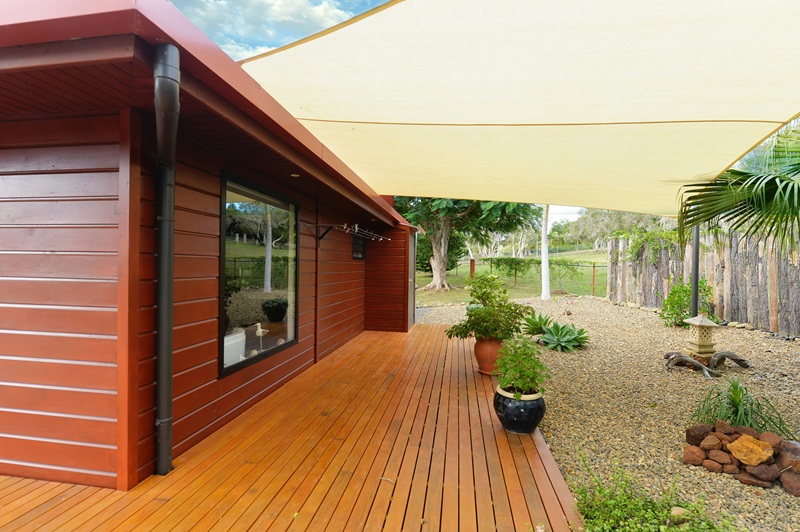
One of the most effective ways to protect your shed is to stop the weather from reaching it in the first place. Creating a protective buffer zone can shield its most vulnerable surfaces from direct sun and rain. While strategically planted trees and shrubs offer some defence, purpose-built structures provide more reliable and targeted protection. An awning over a doorway can prevent water from pooling, and a simple lean-to can guard a wall against the afternoon sun. For more comprehensive coverage, custom-designed Shade sails can be installed to cover not just the shed but also the surrounding workspace. These solutions act as a first line of defence, preserving the shed’s cladding and reducing the internal temperature.
Choosing Materials for Longevity
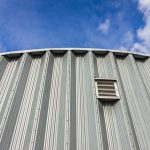
The materials your shed is made from will have the biggest impact on its durability. While a classic timber shed has a timeless appeal, it requires regular staining or painting to prevent rot and insect damage. Untreated pine is particularly susceptible to the elements. Steel sheds, especially those made from pre-painted Colorbond, offer excellent resistance to fire, pests, and rot, though they can be prone to dents and scratches if not cared for. When selecting a new shed or re-cladding an old one, consider how much maintenance it will need long-term. Learning how to weatherproof your shed properly from the start will save you significant time and money down the track.
Integration with Existing Structures
How you position your shed on your property plays a significant role in how much weather it faces. A shed standing alone in the middle of a backyard will face the full force of sun, wind, and rain from all directions. In contrast, a shed built against a house wall or a tall, solid fence is naturally protected on at least one side. When planning a new shed, take a moment to observe your property. Note where the sun hits most intensely during the day and which direction the prevailing winds and rain come from. Tucking the shed into a sheltered corner or using an existing structure as a windbreak can make a massive difference to its lifespan.
Maintenance for Extended Life
Even the best-protected shed needs regular attention to stay in prime condition. A simple annual check-up can catch small problems before they become big headaches. Creating a maintenance routine will help you weather-proof your shed for all seasons.
Your checklist should include:
- Clearing leaves and debris from gutters to prevent blockages and overflows.
- Inspecting the seals around windows and doors for cracks or gaps.
- Checking the roof for loose screws or damaged sheets, especially after a storm.
- For timber sheds, look for any signs of peeling paint or soft spots that might indicate rot.
- For metal sheds, touch up any scratches promptly to prevent rust from taking hold.
A proactive approach to maintenance ensures your shed remains a functional and secure space for all your storage needs.
Protecting your shed is an ongoing process, not a one-time task. By combining smart material choices, strategic placement, and a proactive maintenance schedule, you can ensure your investment stands strong against whatever the weather throws at it.