Moving House? What to Do With Everything Stored in Your Shed
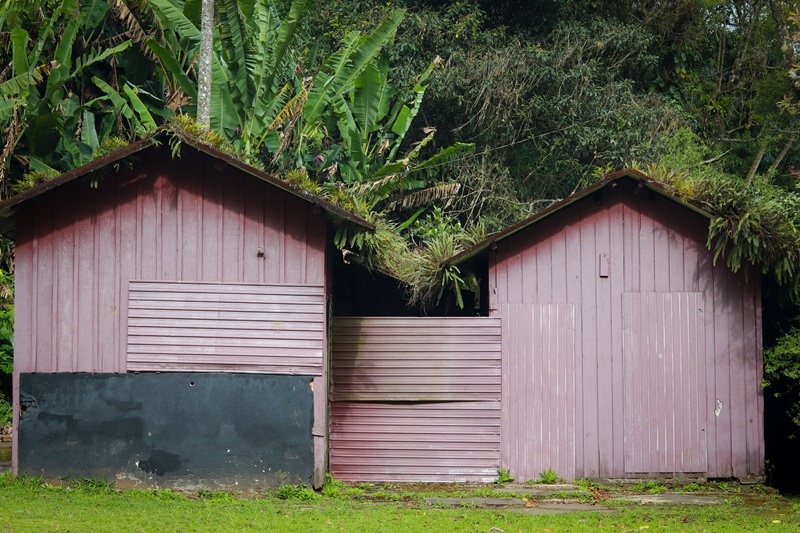
When you’re moving house, the contents of your shed can be easy to overlook. Boxes inside get labelled first, furniture gets measured, and the shed stays untouched until moving day is suddenly close.
That can leave you facing tools, garden equipment, shelving, paint tins and half-forgotten boxes without a plan. Sorting the shed early makes packing easier and helps you decide what deserves space at your new home. A little planning also helps you avoid paying to transport things you were never going to keep anyway.
Start With a Proper Shed Clear-Out
Before you pack anything, take everything you can out of the shed and group similar items together. You’ll get a better sense of what you actually own when it is no longer stacked in corners.
Be selective. If something is broken, duplicated or no longer useful, moving it creates another job at the other end. The 90/90 decluttering rule can help when you are stuck: ask whether you used it in the past 90 days and expect to use it in the next 90.
Set aside anything you want to sell, donate, recycle or dispose of before you begin filling boxes.
Separate Everyday Items From Awkward Loads
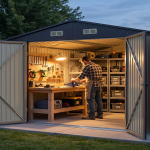
Not everything in a shed belongs in a standard moving carton. Hand tools, pots and smaller garden accessories may be simple to pack, while workbenches, cabinets, large equipment and heavy shelving require more thought.
Create a separate area for oversized or difficult items so you can see what needs dismantling or specialist handling. If heavy furniture or bulky stored pieces are part of the move, using a furniture removalist can save you from trying to manoeuvre awkward loads yourself.
Avoid lifting something simply because you think you should be able to manage it. Safe lifting guidance recommends keeping heavy loads close to your body, using your legs and getting help with objects that are heavy or awkward.
Check What Needs Special Handling
A shed can contain items that should not be dropped into the nearest box. Paint, fuels, chemicals, batteries and sharp tools all need attention before transport.
Check the transport requirements for anything hazardous before packing. Do not assume your mover can take every product stored in the shed. Ask in advance what is accepted and make arrangements to dispose of anything that cannot travel safely.
Drain and clean garden equipment, cover sharp edges and secure loose parts before packing.
Label for the New Shed, Not the Old One
Think about unpacking while you pack. Instead of labelling every carton “shed”, use descriptions such as hand tools, gardening, workshop or outdoor storage.
If you know where things will go in the new shed, group them accordingly. Keep frequently used tools accessible rather than burying them under boxes you may not open for months.
Take photos of complicated shelving or workbench setups before dismantling them. They can give you a reference when you are rebuilding your workspace.
Give Your Shed Its Own Moving Plan
Your shed should be part of your moving checklist from the beginning, not an afterthought once the house is packed.
Start early, reduce what you do not need, identify difficult items and organise safe transport before moving day. You will have less to carry, fewer last-minute decisions and an easier job setting up your new shed once you arrive.