How Invasive Tree Roots Can Ruin a Concrete Floor
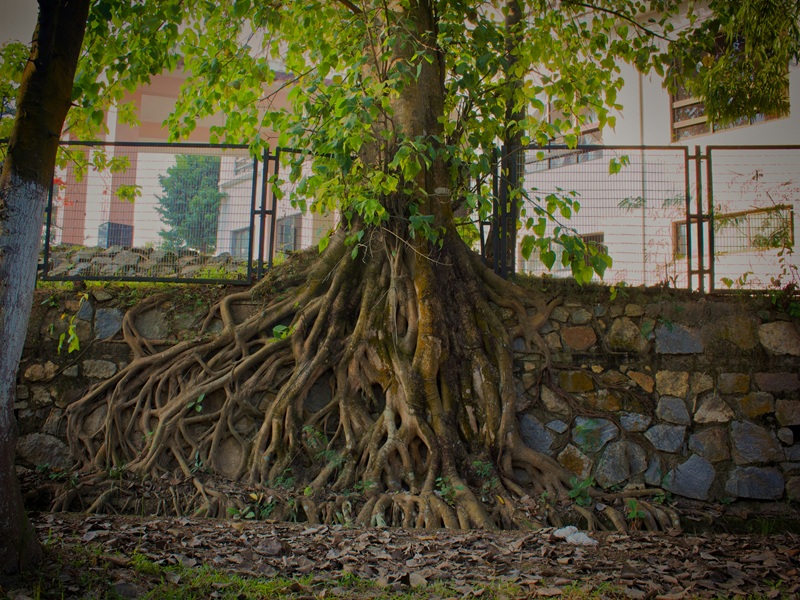
Concrete floors can crack, lift or slope when nearby tree roots alter the soil beneath them. The damage may appear inside a shed, garage or workshop even when the tree stands several metres away. Roots rarely break sound concrete through force alone. More often, they exploit existing gaps, affect soil moisture or displace shallow slabs. Finding the cause early gives you more repair options and may prevent a minor crack from becoming a trip hazard or interfering with doors, shelving and equipment.
Why Roots Seek Foundation Moisture
Tree roots grow towards areas offering oxygen, nutrients and reliable moisture. Leaking pipes, poor drainage and condensation around a slab can create favourable conditions, particularly during dry weather. Changes in tree roots and foundation soil can affect the ground beside and beneath buildings even when roots don’t physically penetrate solid structural material.
Reactive clay soils add another complication. Tree water uptake may dry and shrink the soil on one side of a slab, while a leaking downpipe keeps another area damp and expanded. This uneven movement places stress on the concrete. Similar problems with soil movement beneath a shed can occur because clay soils expand and contract as moisture levels change.
Check outdoor taps, drainage channels and roof-water outlets, then repair persistent leaks before arranging cosmetic crack repairs.
Telltale Signs of Subfloor Movement
A single hairline crack doesn’t always indicate root damage. Concrete naturally shrinks as it cures and older slabs often carry minor surface marks. Concern rises when cracks widen, return after patching or run towards the side of the building closest to a mature tree.
Other warning signs include a raised section of floor, gaps beneath skirting, doors that begin catching and shelving that no longer sits level. Outside, look for exposed roots near the slab edge or paving that has lifted along the same line.
Photograph suspicious areas with a ruler in view and record the date. If movement continues over several weeks, arrange an assessment before cutting roots or removing concrete.
When to Call for Root Remediation
Seek professional advice when a crack changes width, the floor creates a trip point or doors and wall finishes show related movement. An engineer or suitably qualified building specialist can determine whether the slab, footings or surrounding soil have shifted.
A qualified arborist can assess nearby trees and root systems to determine whether they are contributing to the movement. Root identification matters because the nearest tree isn’t automatically responsible.
Avoid severing large roots yourself. Major structural roots help keep a tree stable and indiscriminate cutting can increase the chance of decline or failure. Professionals can assess root size, tree condition and distance from the building, then coordinate any pruning with slab repairs.
They may also recommend drainage work, soil testing or monitoring first. Prompt assessment matters most where movement is active, services run nearby or the building contains heavy fixed equipment.
Physical Barriers to Stop Future Growth
A root barrier can redirect new growth away from a slab when site conditions, soil depth and tree species make the method suitable. Common systems use durable plastic panels or purpose-made geotextile products installed vertically between the tree and building.
The effectiveness of tree root barriers depends heavily on their depth, placement and the surrounding site conditions.
Barrier installation must account for underground pipes, drainage and the tree’s stability. A shallow panel may simply encourage roots to grow underneath, while excavation too close to the trunk can damage important roots.
Once installed, fix leaking services and direct roof water to an appropriate outlet so moisture doesn’t continue attracting growth towards the floor. Inspect the slab edge and nearby paving each year, especially after drought, heavy rain or drainage changes.
Concrete repairs will last longer when the source of movement has been identified first. Mark the ends of an active crack, date your photographs and have both the floor and nearby trees assessed before excavation begins.