The Hidden Costs of Inefficient Pool Cleaning
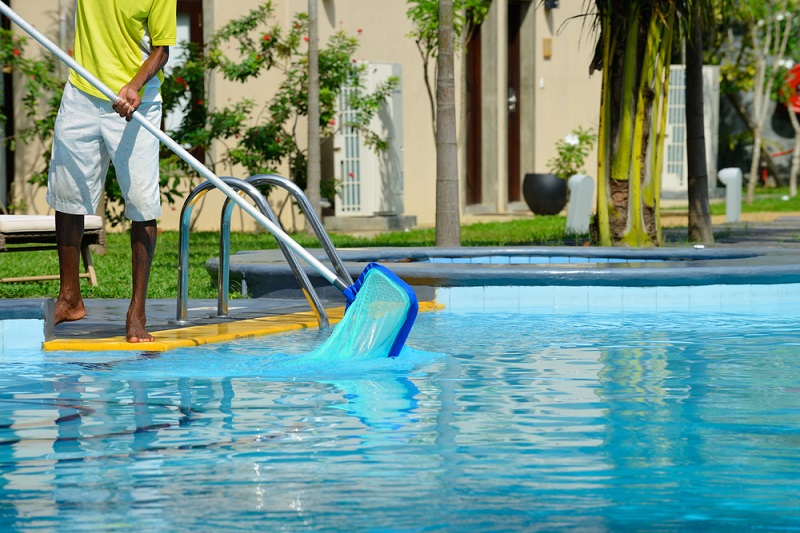
Having a swimming pool in your backyard is absolutely brilliant until you start looking closely at your quarterly household bills. Most people simply accept that running a backyard oasis is going to be an expensive exercise. But a shockingly huge chunk of that expense actually comes down to how you are managing the water. If you are still relying on older maintenance methods or struggling with gear that barely works, you are likely leaking money without even realising it. The true price of a dirty pool goes way beyond just the ugly aesthetics of green water. Let us break down the hidden financial drains of outdated pool care and explore exactly how you can stop throwing your hard-earned cash straight down the drain.
The Staggering Cost of Wasted Household Electricity
Think about the traditional suction cleaner that plugs into your skimmer box. To get that vacuum head moving across the floor, your primary pool pump has to be running at absolute maximum capacity. Over a long Australian summer, running a massive motor for hours every single day adds a serious amount to your power bill. Inefficient cleaning means the pump works much harder and longer than it actually needs to.
If your gear is constantly getting stuck in corners or tangling itself around the ladder, you are burning electricity while the machine essentially does nothing. Every extra hour you spend running the main system just to suck up stubborn dirt is another massive spike on your electricity meter. In a time when household energy costs are constantly climbing, running a high-powered pump just to move a few leaves around the shallow end is a luxury most families simply cannot afford.
Chemical Imbalances and the Price of Algae Blooms
When a pool is not cleaned efficiently, invisible dead spots appear where the water just sits stagnant. Organic debris like heavy gum leaves, bark, and dead insects sink to the floor and start breaking down. This rapidly throws your delicate water chemistry completely out of whack. The natural sanitiser gets eaten up incredibly quickly, leaving the water totally defenceless against the hot sun.
Suddenly, you find yourself driving down to the local shop every second weekend to buy expensive buckets of shock treatment, heavy-duty algaecides, and massive jugs of liquid chlorine just to get the water back to a safe baseline. An inefficient cleaning routine turns into a never-ending chemical money pit because you are constantly reacting to massive algae problems instead of actually preventing them from taking hold in the first place.
Massive Water Loss Through Constant Backwashing
We live in a country where fresh water is a seriously precious resource, and local councils are quick to enforce strict water restrictions during the drier months. If you are using a manual vacuum or an old suction hose, every single piece of dirt, leaf, and fine coastal sand gets sucked directly into your main sand or glass filter. That media filter gets choked up with rubbish incredibly quickly.
To clear that blockage out and restore your water flow, you have to turn the valve to backwash. This process literally pumps hundreds of litres of chemically treated water straight out into the street gutter. You then have to grab the garden hose and top the water level back up, which sends your quarterly water bill through the roof. You are essentially paying for the water twice, and then paying again to re-balance the chemicals you just flushed away.
Premature Wear on Expensive Filtration Hardware
Your primary pump and the filter tank sitting by the fence are easily the most expensive pieces of equipment in your yard. Forcing them to process all the heavy physical rubbish from a messy weekend puts a massive strain on the internal mechanics. The motor runs much hotter, the internal plastic baskets crack under the intense pressure, and the filter media needs to be scooped out and replaced much sooner than the manufacturer actually recommends.
Replacing a burnt-out pump motor is a massive, unexpected hit to the household budget. It is a highly stressful expense that could easily be avoided by simply changing how you handle the heavy dirt and silt. Treating your main filtration system as a giant vacuum cleaner bag is a surefire way to send it to an early grave.
How Smart Automation Reverses the Financial Drain
This is exactly where the modern approach to maintenance pays for itself almost immediately. Upgrading your gear means shifting the physical workload entirely away from your primary plumbing. When you drop an independent automated unit into the water, it runs on its own highly efficient internal battery. It uses a tiny fraction of the electricity your main pump requires.
Because these intelligent machines map out the floor and scrub the walls methodically, they finish the job in record time without getting stuck. They catch all the leaves and silt in their own internal baskets, keeping the rubbish completely out of your main filter. For families wanting to aggressively cut their running costs, finding the best robotic pool cleaner australia is the easiest way to immediately slash your utility bills and protect your expensive hardware.
Making a Smart Investment for Your Backyard Oasis
At the end of the day, continuing to use inefficient gear is a classic false economy. You might think you are saving money by sticking with the old ribbed hoses and the manual pole, but the hidden costs of wasted electricity, lost water, dumped chemicals, and broken pumps tell a very different story. Stepping up to modern technology stops this financial bleed entirely.
Taking the time to research and secure the best pool cleaner for your specific setup is a highly practical investment that actively protects your wallet. It allows you to turn your primary pump down to an economical setting, vastly reduces the amount of water you waste through backwashing, and keeps your chemical usage highly predictable. Ultimately, the right equipment ensures that your backyard remains a spectacular place to relax, rather than a constant drain on your household finances.