How to Choose the Right Wall Lights for Every Room in Your Home
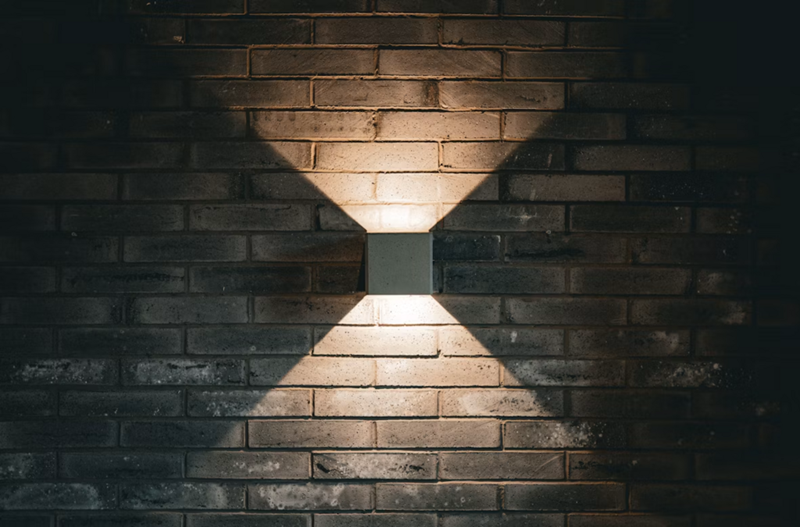
Wall lights have moved well beyond their old role as a backup when the overhead fitting wasn’t enough. Today they’re a deliberate design choice — one that can define the mood of a room, add architectural interest to a plain wall, and make a home feel finished in a way that ceiling lights alone rarely achieve. But with so many styles, finishes, and mounting options available, knowing where to start isn’t always straightforward.
Whether you’re outfitting a new build, refreshing a rental, or deep in a renovation, the principles below will help you choose well. And if you’re searching for wall lights Sydney suppliers or browsing online, having a clear brief for each room before you shop will save you from the paralysis of too many options.
Start With the Job, Not the Look
The most common mistake when buying wall lights is leading with aesthetics. A fixture might look perfect in a showroom photo and completely wrong in your space — because the light it actually throws doesn’t match what the room needs.
Before you look at finishes or styles, ask one question for each room: what do I need this light to do? The answer will fall into one of three categories — ambient (general fill light), task (focused, functional light), or accent (decorative, mood-setting). Most wall lights lean toward ambient or accent, with some doing both. Task-focused wall lights are more specific and matter most in areas like reading nooks, desks, and bathrooms.
Once you know the function, the right style follows much more naturally.
Living Room: Warmth and Layers
The living room is where layered lighting pays off most visibly. A pair of wall sconces flanking a fireplace, artwork, or sofa creates symmetry and warmth that a single overhead light can’t replicate. In open-plan spaces, wall lights also help define zones — a couple of sconces in the dining area, for instance, signal that it’s a distinct space even without walls to separate it.
For living areas, look for fittings that throw light upward, downward, or both. Up-down wall lights are particularly effective in rooms with high ceilings, as they draw the eye and make the most of vertical space. Dimmer compatibility is worth prioritising here — the ability to drop the light level transforms a living room from a functional daytime space into a relaxed evening one.
Finish choice should follow your existing hardware and furniture tones. Brushed nickel and matte black suit contemporary interiors; antique brass and bronze work well in warmer, more traditional spaces.
Bedroom: Functional Elegance
Bedside wall lights are one of the most practical upgrades you can make to a bedroom. Replacing table lamps with wall-mounted reading lights frees up the entire bedside surface and eliminates the tangle of lamp cords. For couples with different sleep schedules, individually switched bedside sconces are genuinely useful.
Look for adjustable or swing-arm styles if reading is the primary use — fixed directional fittings are better suited to ambient lighting than focused tasks. Height matters: mount bedside wall lights so the bottom of the shade sits roughly at shoulder height when you’re sitting up in bed, which typically means around 140–150cm from the floor.
In a main bedroom, a single decorative wall light on a feature wall can also serve as a focal point, particularly in rooms where a bedhead or artwork does the heavy lifting.
Bathroom: Function First, Style Second
Bathroom wall lights are one of the most functionally important choices in the home, yet they’re often treated as an afterthought. The issue with relying solely on a ceiling downlight above a bathroom mirror is well known among designers: it casts unflattering shadows downward across the face, making everyday tasks like grooming and makeup application unnecessarily difficult.
The solution is to position wall lights at either side of the mirror, at approximately face height — around 150–165cm from the floor. This provides even, shadow-free light across the face and is a technique standard in professional makeup environments for good reason.
For bathrooms, IP ratings matter. Any fitting within a certain distance of water sources must meet minimum ingress protection standards — your electrician can advise on the specific zones, but as a rule, look for IP44 or higher for most bathroom applications. Beyond compliance, brushed brass, matte black, and chrome remain the dominant finishes in contemporary Australian bathrooms, and all are widely available in IP-rated options.
Hallway and Entryway: First Impressions
Hallways are often underfunded in the lighting budget, which is a missed opportunity. A well-lit entry sets the tone for the whole home, and a series of wall lights down a hallway creates rhythm and depth that a row of downlights simply doesn’t.
In narrow hallways, half-moon or flush-to-wall fittings prevent the fixture from becoming a head hazard. In wider entries and stairwells, more projecting styles work well and can become a feature in their own right. Keep spacing consistent — around 150–200cm apart — for a clean, intentional look.
Outdoor Areas: Durability Meets Atmosphere
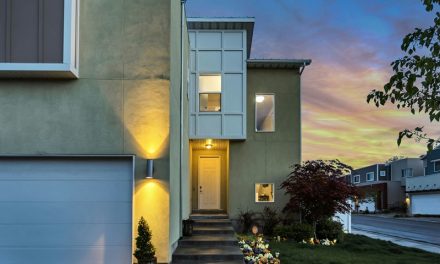
Exterior wall lights need to work harder than their indoor counterparts. Weather resistance is non-negotiable — look for IP65 ratings or above for fully exposed outdoor positions. But durability doesn’t mean sacrificing style.
For alfresco entertaining areas, warm-toned LED fittings in natural or dark finishes integrate well with timber, stone, and concrete — the materials that dominate Australian outdoor living spaces. At entry points and along pathways, motion-sensor options add security without requiring a manual switch every time.
The Finishing Rule
Across every room, one principle consistently holds: finish consistency. Matching or intentionally contrasting your wall light finishes with door handles, tapware, and cabinetry hardware creates a cohesive look without requiring a full redesign. It’s the detail that separates a thoughtfully put-together home from one that looks like it was furnished in separate shopping sessions.
Get the function right first, the finish right second — and the style will take care of itself.