Choosing the Right Door for Your Shed: Roller, Sectional or Tilt
Most of us spend weeks agonising over the shed itself. The size, the Colorbond colour, whether to go for a Stratco kit or a custom build from the local fabricator. Then the door gets treated as an afterthought, picked in five minutes at the end. That is a mistake, because the door is the part of the shed you actually touch every single day. It is the difference between a space that works and one that frustrates you every time you back the trailer out.
There are three main contenders for an Australian shed: the roller door, the sectional door, and the tilt door. Each has a clear set of strengths and a few genuine drawbacks. This guide walks through all three in plain language, with an eye on the things that actually matter in a WA backyard, things like clearance, security, coastal corrosion, and budget, so you can choose once and not think about it again.
Start With How You Actually Use the Shed
Before comparing door types, be honest about what the shed is for. A door that suits a simple lawnmower and bikes store is not the door for a working timber workshop or a home gym. Run through a few questions first.
How often will the door open and close each day? A door used twice a week has very different needs to one a hobby mechanic opens twenty times a Saturday. What is going through it, a person, a ride-on mower, a boat on a trailer, or a dual cab ute? How much room is there above the opening and inside the shed, since that single measurement rules some options in or out. And what is the shed exposed to, because a shed two streets back from Scarborough Beach copes with salt air that a sheltered Midland block never sees. Hold those answers in mind as we go.
Roller Doors: The Australian Default
The roller door is the one most people picture when they think of a shed. A single curtain of interlocking steel slats rolls up around a drum above the opening. It is the default across most of the country for good reason, and it is what you will see on the majority of suburban sheds from Joondalup to Mandurah.
Why People Choose Them
Roller doors win on space. Because the curtain coils into a tight drum, you lose almost no headroom inside the shed and nothing at all on the driveway in front. Nothing swings out, so you can park right up to the door. They are also the most affordable option to buy and install, they are simple and reliable mechanically, and a quality Colorbond curtain handles the Australian sun and rain well. Add a Centurion or B&D motor and you have remote operation for not much extra.
Where They Fall Short
A standard single-skin roller door offers little insulation, so a western-facing shed can turn into an oven by mid afternoon. The curtain is also relatively easy to force compared with a heavier door, though decent locking and a motor improve this. On very wide openings the curtain can feel flimsy and rattle in a Fremantle Doctor southerly. For most domestic sheds, none of this is a dealbreaker, but it is worth knowing.
Sectional Doors: The Premium Upgrade
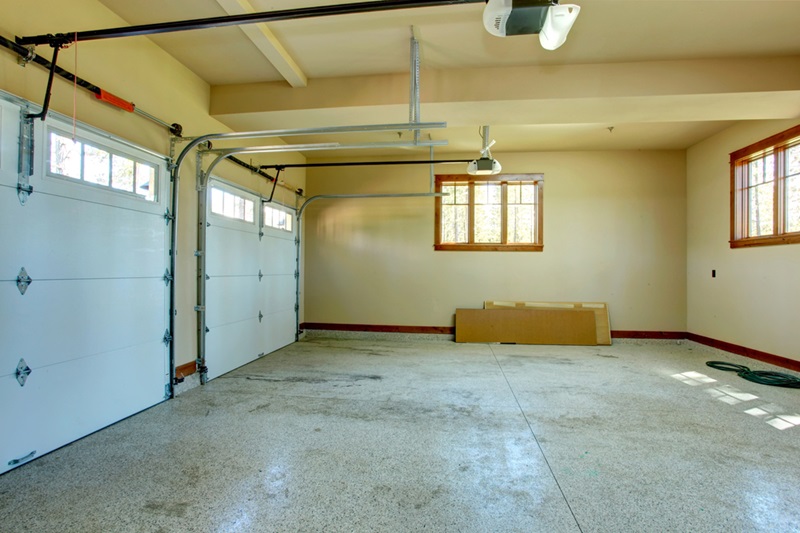
A sectional door is made of horizontal panels hinged together. It runs up the opening and then back along the ceiling on horizontal tracks, sitting flat and overhead when open. This is the style you see on most newer double garages, and it is increasingly popular on higher-end sheds.
The Big Advantages
Sectional doors are where insulation lives. Many panels are foam-filled, which makes a real difference if your shed doubles as a workshop, gym, studio, or man cave you actually want to spend time in. They seal well around the edges, keeping out dust, driving rain, and the odd redback looking for shelter. They are sturdier and more secure than a single-skin roller, and the panel designs, including timber-look finishes, simply look better on a home you care about. The door also moves quietly, which your neighbours will appreciate on an early start.
The Trade-Offs
You pay for all of this, both in dollars and in space. Sectional doors cost more than roller doors, and because the panels track back along the ceiling, you lose usable overhead storage room inside the shed. They also need a reasonable amount of headroom above the opening to fit the curve of the track, which not every shed has. If your shed is short on height or budget, the sectional may not be the right fit.
Tilt Doors: The Simple One-Piece Option
The tilt door, sometimes called a tilt-a-door or one-piece door, is a single rigid slab that pivots out and up on a counterbalanced frame. It was once the standard across Australia before roller and sectional doors took over, and it still has a loyal following for specific situations.
Why They Still Have a Place
Tilt doors are tough. Because the door is one solid panel, often timber or sheet steel on a frame, it is rigid and hard to force, which appeals to security-minded owners. They suit very wide openings where a roller curtain would flex, and they allow great design freedom, since you can clad the face in timber, marine ply, or custom panels to match the house. They need minimal headroom inside, so they suit sheds with low clearance.
The Catch
The catch is out the front. As a tilt door opens, the bottom edge swings outward in an arc before lifting, so you cannot park or stand close to it while it operates. On a short driveway that arc is a genuine nuisance. They are also heavier and have more moving parts in the pivot mechanism, and a poorly balanced tilt door is hard work to lift by hand. For many modern blocks where space out front is tight, that outward swing is the reason people look elsewhere.
The Perth Factor: Climate and Corrosion
Wherever you are in Australia, the local climate should shape your choice, and Perth has its own quirks. The big one is salt. Homes along the coast, from Hillarys down through Cottesloe to Rockingham, sit in a marine environment where airborne salt attacks cheap steel and hardware. Specify a quality Colorbond curtain or panel, stainless or galvanised fixings, and a finish rated for coastal exposure, and rinse the door down with fresh water now and then. It is a five-minute job that adds years.
Heat is the other factor. A shed that bakes under the WA sun all summer benefits enormously from an insulated sectional door if you actually use the space. If the shed is purely for storage, a single-skin roller is fine. And while Perth is not a cyclone region like the north of the state, strong winter fronts still test wide doors, so do not skimp on the build quality of a large opening.
From the Workshop: A Real Shed, A Real Decision
To show how the choice plays out, here is a job the Slide And Glide team shared, with the details changed at the owner’s request. A retired boilermaker in Wanneroo, we will call him Ken, built a large six by nine metre shed to restore an old Holden. He came in certain he wanted the cheapest wide roller door he could get.
After a chat about how he would use the space, the recommendation changed. Because Ken planned to spend whole days in there welding and sanding through summer, comfort mattered, so an insulated sectional door went on the main opening to keep the heat down and the dust out. But for the second, smaller opening he used only to wheel the compressor in and out, a simple motorised roller door made far more sense and saved him money. Two openings, two different doors, each chosen for its actual job. A year on, Ken reckons the insulated door alone made the shed usable in February. The lesson the installers repeat constantly: match the door to the task, not to the sticker price.
A Quick Decision Guide
If you want the cheapest, most space-efficient option for a storage shed, the roller door is hard to beat. If your shed is a workspace you want to be comfortable and secure in, and you have the headroom and budget, the sectional door is the upgrade worth making. If you have a very wide opening, low internal clearance, or you want a custom-clad look and have room out front for the swing, the tilt door earns its keep.
For most people the honest answer is a roller door for pure storage and a sectional for a genuine workshop. But the right call always comes back to those first questions about how you use the space, not to a blanket rule.
Get the Installation Right
Whichever door you choose, the installation matters as much as the product. A quality door hung badly will bind, rattle, wear unevenly, and fail early. Tracks need to be square and level, the spring or motor balanced correctly, and the safety features on any automated door tested before it is handed over. This is not the place for a rushed cash job.
A reputable local specialist such as Slide And Glide, a trusted local name for Garage Doors in Perth, will measure the opening properly, talk through how you actually use the shed, and recommend a door suited to your block and climate rather than just selling whatever is in stock. They will also handle servicing down the track, because every door with moving parts needs the occasional adjustment and lubrication to keep running smoothly. Buying from someone you can call back is worth more than a small saving on day one.
Motorisation: Is It Worth It for a Shed?
One upgrade worth weighing on any shed door is motorisation. A motor turns a manual door into one you open from the car with a remote, which sounds like a luxury until you are standing in a Perth downpour wrestling a heavy curtain by hand. For roller and sectional doors especially, a quality opener from a brand such as B&D, Centurion, or ATA adds real convenience and a layer of security, since a motorised door has no external handle to lever and stays firmly shut when closed.
The case is strongest on doors you use often, wide doors that are heavy to lift, and sheds where you frequently arrive with full hands or a vehicle. For a small storage shed opened once a fortnight, a manual door is perfectly fine and the motor is an indulgence. If you do motorise, make sure the opener is matched to the size and weight of the door and that its safety features are set up correctly on installation, because an under-rated motor will struggle and wear out early.
Keeping Your Shed Door Running
Whichever door you choose, a little maintenance keeps it working for decades rather than years. Roller doors benefit from an occasional light lubrication of the guides and a check that the curtain runs true. Sectional doors have hinges, rollers, and tracks that appreciate the same attention. Tilt doors have a pivot mechanism and springs that should be checked periodically. None of this is onerous, and a quick annual once-over catches small problems before they become expensive ones.
In coastal Perth, add a freshwater rinse to the routine to wash off the salt that would otherwise attack the finish and hardware. A door that is rinsed, lubricated, and glanced over once a year will outlast a neglected one many times over, regardless of which style you picked. The product matters, but care is what carries it the distance.
The Bottom Line
The shed door is not an afterthought. It is the part of the build you interact with daily, and the right choice quietly makes the space better for years. Think about how you use the shed, respect your clearance and your climate, and weigh up the roller, sectional, and tilt options against your real needs rather than the cheapest line on the quote.
Get it right and you will barely think about the door again, which is exactly the point. It will simply open when you need it, keep the weather and the would-be thieves out, and let you get on with whatever the shed is really for. That is a small decision that pays you back every weekend.