How to Insulate a Metal Shed
Have you ever walked into a metal shed during the middle of summer? You know how uncomfortable it can get. The metal absorbs heat quickly, turning a simple storage space into something that we can feel more like an oven. During colder months, the opposite problem often appears: condensation.
Moisture can form more on the walls and roof. It can create conditions that may damage tools, equipment, and other stored items.
The good news here is that insulating a metal shed is not complicated as many people think about it. With the right materials and a little preparation, you can create a space that you can feel comfortable throughout the year while protecting whatever you can keep inside.
Why Proper Insulation Matters
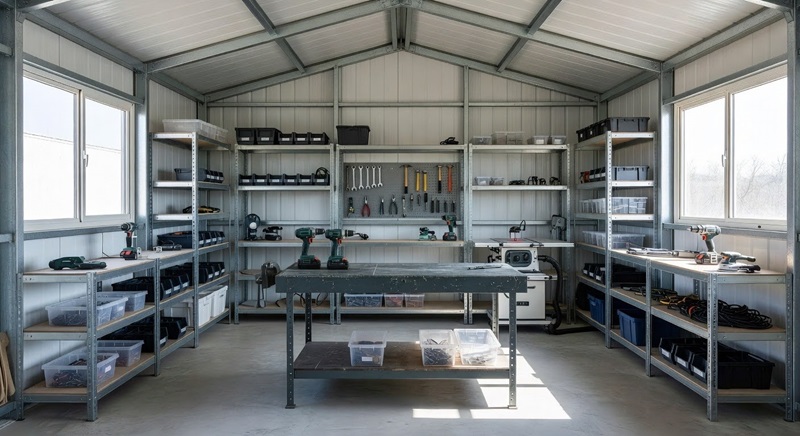
Many people assume insulation is only necessary for homes, but sheds can benefit from it just as much. A well-insulated shed experiences fewer temperature swings, making it more useful as a workshop, hobby room, or long-term storage space.
One of the biggest advantages is moisture control. Bare metal surfaces can attract condensation when temperature changes rapidly. Over time, excess moisture can lead to rust, mildew, and damaged belongings. Insulation helps reduce this kind of problem by limiting direct contact between the warm air and cold metal surfaces.
Another benefit is the comfort. Whether you’re working on DIY projects, repairing equipment, or simply organizing storage, spending time in an insulated shed is far more pleasant than dealing with extreme temperatures.
Choosing the Best and Right Insulation for a Metal Shed
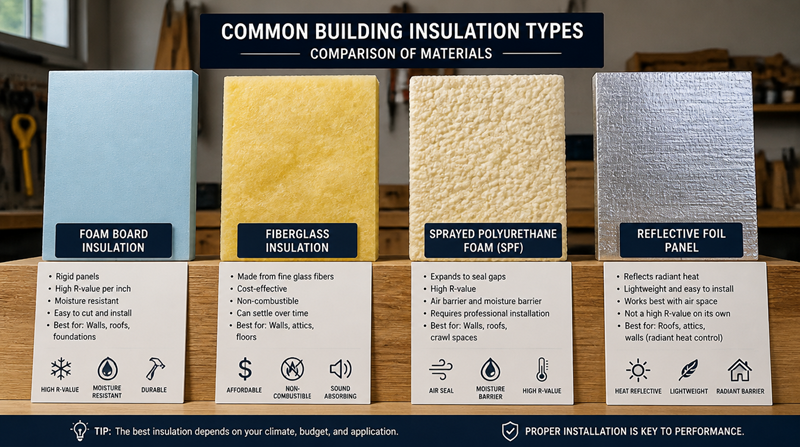
Not every insulation product works the same way, so it’s worth considering your needs before making a purchase.
Foam Board Insulation
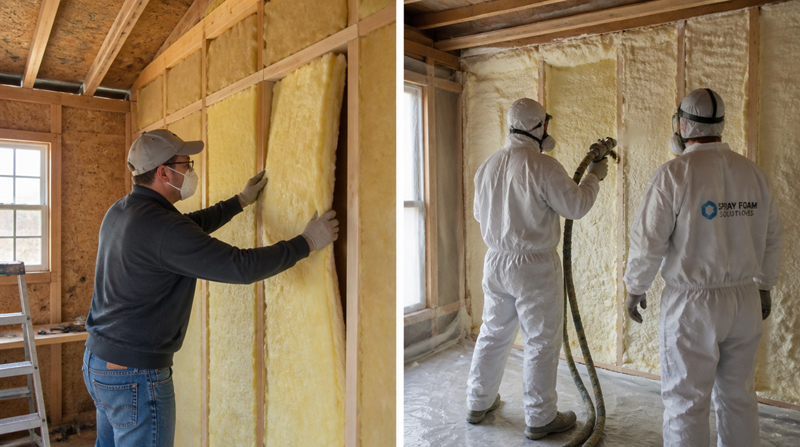
Foam board insulation is a popular option because it’s lightweight, easy to install and resistant to moisture. Many shed owners prefer it because it provides good insulation without taking up too much space.
Fiberglass Insulation
Fiberglass insulation is another common choice. It’s generally affordable and readily available, although it requires proper installation and protection from moisture.
Spray Foam Insulation
For those who are looking for maximum performance, spray foam insulation creates an airtight seal that helps prevent both heat transfer and air leaks. While it costs more than other options, it often delivers the best results.
Reflective Foil Insulation
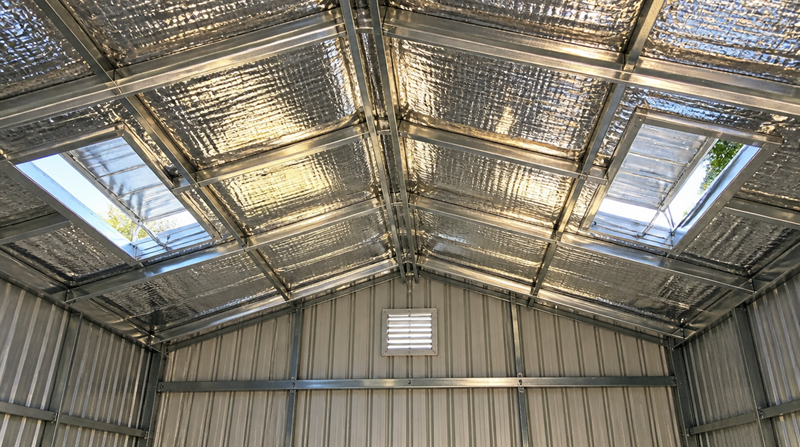
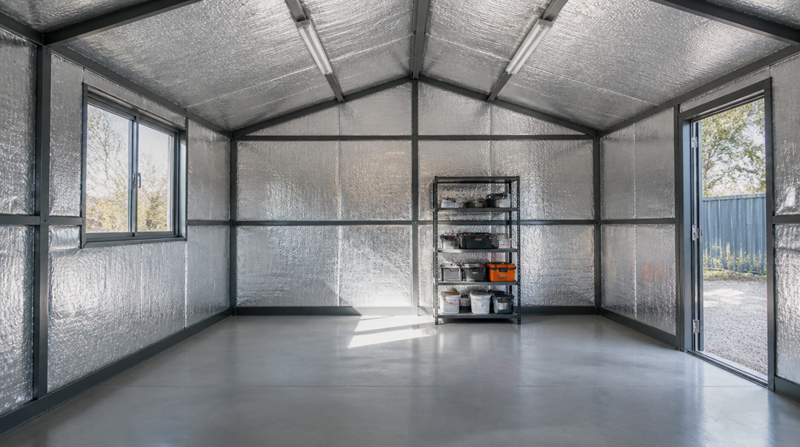
Lastly, reflective foil insulation can also be effective, particularly in warmer climates where reducing heat gain is the primary goal.
What to Do Before Installing the Shed
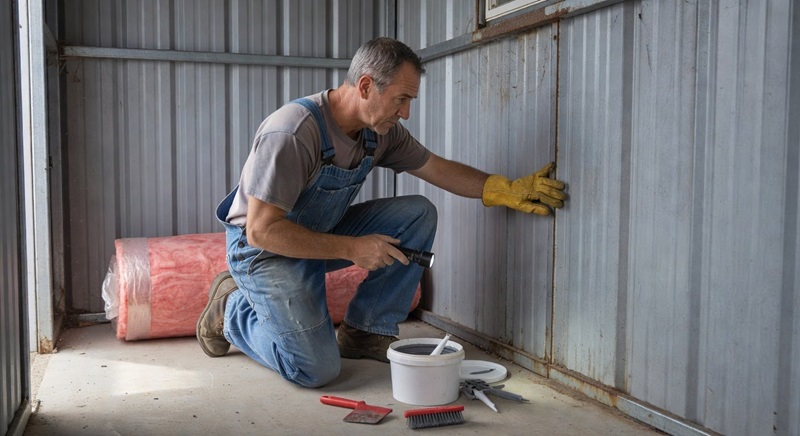
Before you install any insulation, you need to inspect the shed carefully. Look for the leaks, rust spots, loose panels, or gaps around doors and windows. Addressing these issues first for us to prevent future problems and help the insulation perform as it intended.
Cleaning the interior is also important. Dust, dirt, and moisture can interfere with installation and reduce the long-term effectiveness.
Once the shed is clean, seal any noticeable gaps. Even small openings can allow drafts and moisture to enter, reducing the benefits of insulation.
Wall Insulation Tips for Better Comfort
Wall insulation is usually the first step in the process.
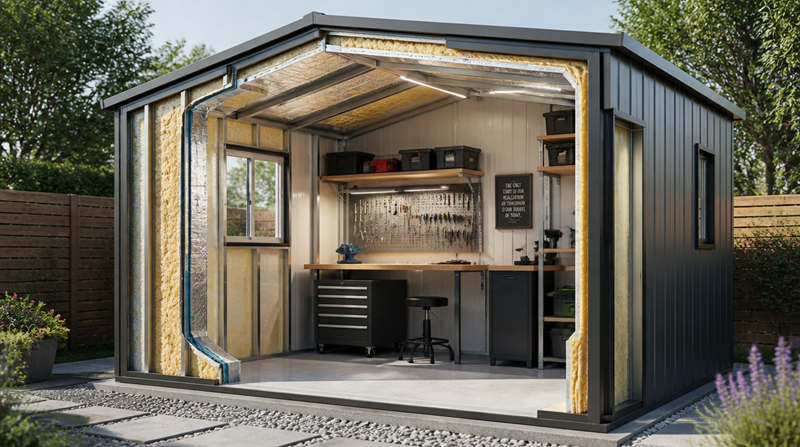
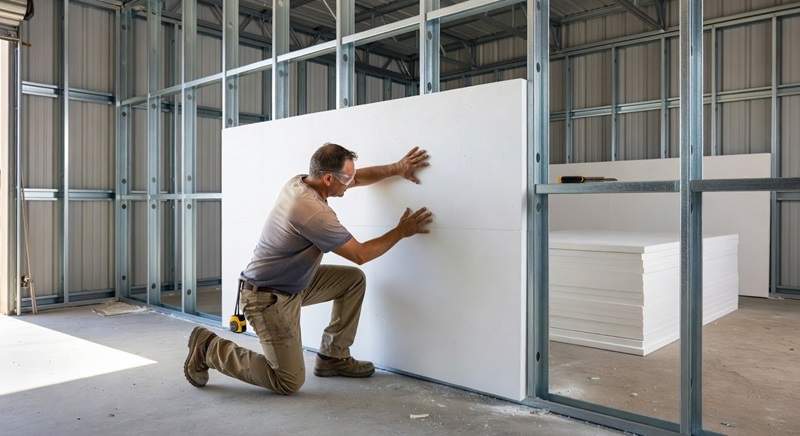
If your shed already has framing, you can install insulation directly between the studs. If not, you may need to create a simple framework that will support both the insulation and any interior wall covering.
When placing the insulation, take your time to fit each section properly. Large gaps can reduce efficiency and can create cold spots. The goal here is to create consistent coverage across the entire wall surface.
In areas with high humidity, adding a vapor barrier may be beneficial. This extra layer can help you manage the moisture and protects the insulation from becoming damp.
Looking Up? Don’t Forget the Roof
Many shed owners focus on the walls and overlook the roof, which is often where most heat enters the structure. On sunny days, the roof can absorb a significant amount of solar energy. Without insulation that heat quickly transfers into the shed.
Installing insulation beneath the roof panels can dramatically improve indoor temperatures. Pairing insulation with proper ventilation often produces the best results, allowing excess heat and moisture to escape when necessary.
Better Floors, Better Comfort
Depending on how your shed is built, floor insulation may also be worth considering.
Raised wooden floors can often be insulated from underneath using foam board or fiberglass materials. Concrete floors, while durable, can become surprisingly cold. Adding floor coverings or insulated panels can make the space more comfortable to use year round.
Challenges When Insulating a Metal Shed
Some of us encounter moisture management. Because metal reacts quickly to temperature changes, condensation can still occur if the ventilation is very poor. This is why insulation should always be combined with proper airflow.
Another challenge is choosing the right insulation thickness. While thicker insulation generally provides better thermal performance, it can reduce usable interior space. Finding the right balance depends on how the shed will be used and the climate in your area.
Lastly, budget is another consideration. Premium insulation products may offer better performance but even affordable options can significantly improve comfort when installed correctly.
Ventilation Still Matters
For one mistake people make it assuming insulation alone will solve every temperature and moisture issue.
Even a well-insulated shed needs ventilation. Without airflow, humidity can build up over time and create condensation problems. Roof vents, wall vents, or small exhaust fans can help maintain healthy air circulation while allowing insulation to do its job.
Ventilation is particularly important if the shed is used as a workshop. Activities such as painting, woodworking or operating power tools can create dust, fumes and heat that need to be properly managed. Good airflow helps create a safer and more comfortable working environment.
It’s also worth paying attention to how items are stored inside the shed. Packing boxes, tools, and equipment too tightly against walls can restrict airflow and create pockets of trapped moisture. Leaving a little space between stored items and the walls encourages better air circulation and helps maintain a drier interior.
When insulation and ventilation work together, the result is a shed that feels more comfortable in every season while providing better protection for tools, equipment and other valuables.
Is Professional Installation Necessary?
For most standard sheds, insulation can be installed as a DIY project. Homeowners with basic tools and some patience can often complete the work over a weekend.
However, larger sheds or structures that will be used as workshops, offices, or year-round workspaces may benefit from professional installation. Experts can help us identify moisture risks, recommend suitable materials, and ensure everything is installed properly.
While professional installation increases the upfront cost, it may improve long-term performance and reduce the likelihood of future issues.
Finding the Right Shed for Long-Term Use
Insulation works best when it’s paired with a quality structure. If you’re considering upgrading your storage solutions or comparing different options, you can explore more available metal shed models Here.
Final Thoughts
Insulating a metal shed is a practical upgrade that can improve comfort, reduce moisture issues, and help protect valuable belongings. Whether you use the space for storage, hobbies, or everyday projects, the benefits are noticeable almost immediately.
By choosing the suitable insulation materials, sealing gaps and maintaining proper ventilation, you can transform a basic metal shed into a far more functional and reliable space for years to come.
It’s also a good idea to keep vents clear and unobstructed. Proper airflow helps prevent condensation and protects both the shed and its contents. With routine maintenance, an insulated metal shed can remain comfortable and functional for many years.