How to Get More From Your Shed Space
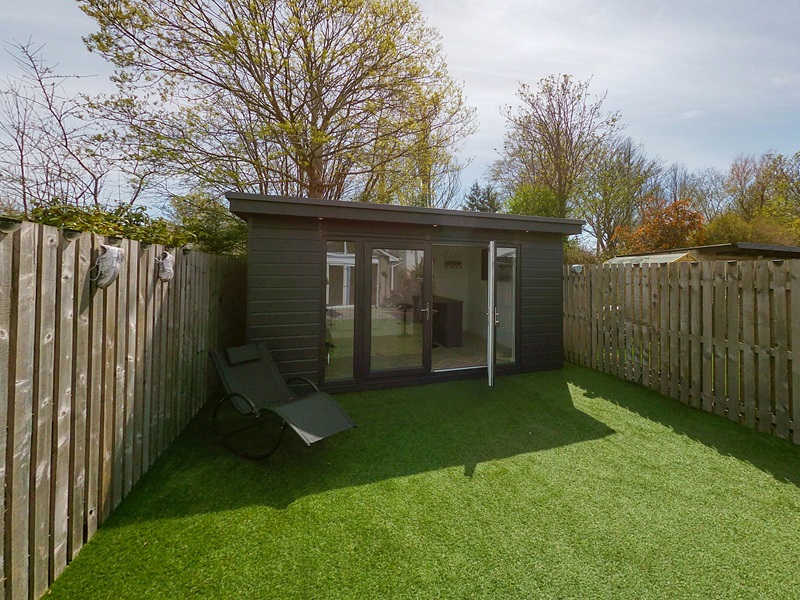
When you’re planning a new shed or fixing up an old one, it’s easy to get caught up in thinking about its size, where it’ll go, and what kind of base it needs. But how well a shed actually works really comes down to its openings.
Doors, windows, and vents aren’t just practical features; they play a major role in how comfortable, flexible, and enjoyable your shed is to use. If you think about these features carefully from the start, you can turn a basic storage box into a truly useful extension of your home and garden.
Planning for Optimal Airflow
Good ventilation is a must for any shed. Without it, you’ll likely end up with dampness, musty smells, mould, and mildew, which can ruin what you store and even damage the shed itself. Good airflow also helps keep the temperature steady and removes fumes from paint, gas, or other chemicals.
The trick to good ventilation is creating a cross-breeze. This means having openings on opposite walls so air can move through the whole space. Try putting vents at both high and low levels. Hot air rises, so a high vent lets it out, while a low vent pulls in cooler, fresh air.
If you plan to use your shed for projects involving chemicals or machinery, consider smart ventilation solutions such as powered extractor fans. Even simple windows that open, placed on different walls, can make a huge difference.
Controlling Light and Temperature
Natural light can make a shed feel brighter and more inviting, but too much direct sunlight can quickly raise indoor temperatures and make the space less comfortable to use. Choosing the right window coverings helps balance natural light with temperature control.
Adjustable blinds or durable exterior shutters give you greater control over light, airflow, and privacy. You can angle them to let natural light in without direct glare, or close them completely to improve security and help manage heat throughout the day.
This kind of control is especially useful for maintaining a comfortable temperature and protecting stored items from sun damage. For a shed office or workshop, the ability to control glare on screens and work surfaces while keeping the space comfortable throughout the day is a huge plus.
Choosing the Right Access Points
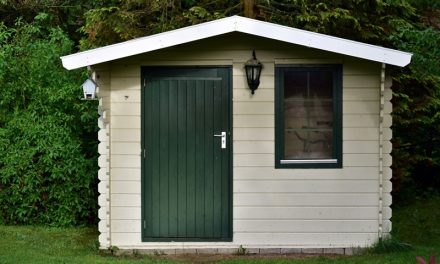
The main door is the opening you’ll use most, so its design needs some real thought. A standard single door might be fine for a small potting shed, but if you need to move big things like a lawnmower, wheelbarrow, or furniture, you’ll quickly wish you had a wider opening. Double doors are a great choice for workshop sheds, letting you open up one whole wall for easy access.
Also, think about the type of door. Sliding doors can save a lot of space if you don’t have room for a hinged door to swing out. A stable door is another flexible option; you can open the top half for light and air while keeping the bottom half closed for security or to keep pets out.
Designing for Multi-Purpose Use
Flexible openings are the secret to a shed that adapts to different needs. Imagine turning your workshop into a garden bar for a summer party. Bifold doors or a large roller door can open up completely, blurring the line between the shed and the garden and creating a fantastic space for outdoor entertaining.
A simple serving hatch or a large window with a fold-down ledge on the outside can turn a basic storage shed into a hub for outdoor get-togethers. This kind of flexibility adds significant value and encourages you to use the space in new and creative ways, whether it’s as a home gym, a quiet reading nook, or a kids’ playroom.
Integrating External Features
Think about how your shed’s openings connect with the area right outside. Adding a small deck or paved patio just outside a set of double doors creates a smooth transition and extends your usable space. This works especially well for turning a shed into a summerhouse or home office, giving you a nice spot for a break.
An awning or a simple canopy over a door or large window protects you from both sun and rain, making the entrance more practical in any weather. It also helps define the space and adds a nice touch, making the shed feel more like a permanent, integrated part of your garden design rather than just a standalone building.
By looking beyond basic usefulness, you can unlock your shed’s full potential through its openings. A well-placed window or a wide-opening door can completely change how you use and enjoy your outdoor space.