Don’t Guess the Weight: How to Calculate Mezzanine Floor Load Capacity Safely
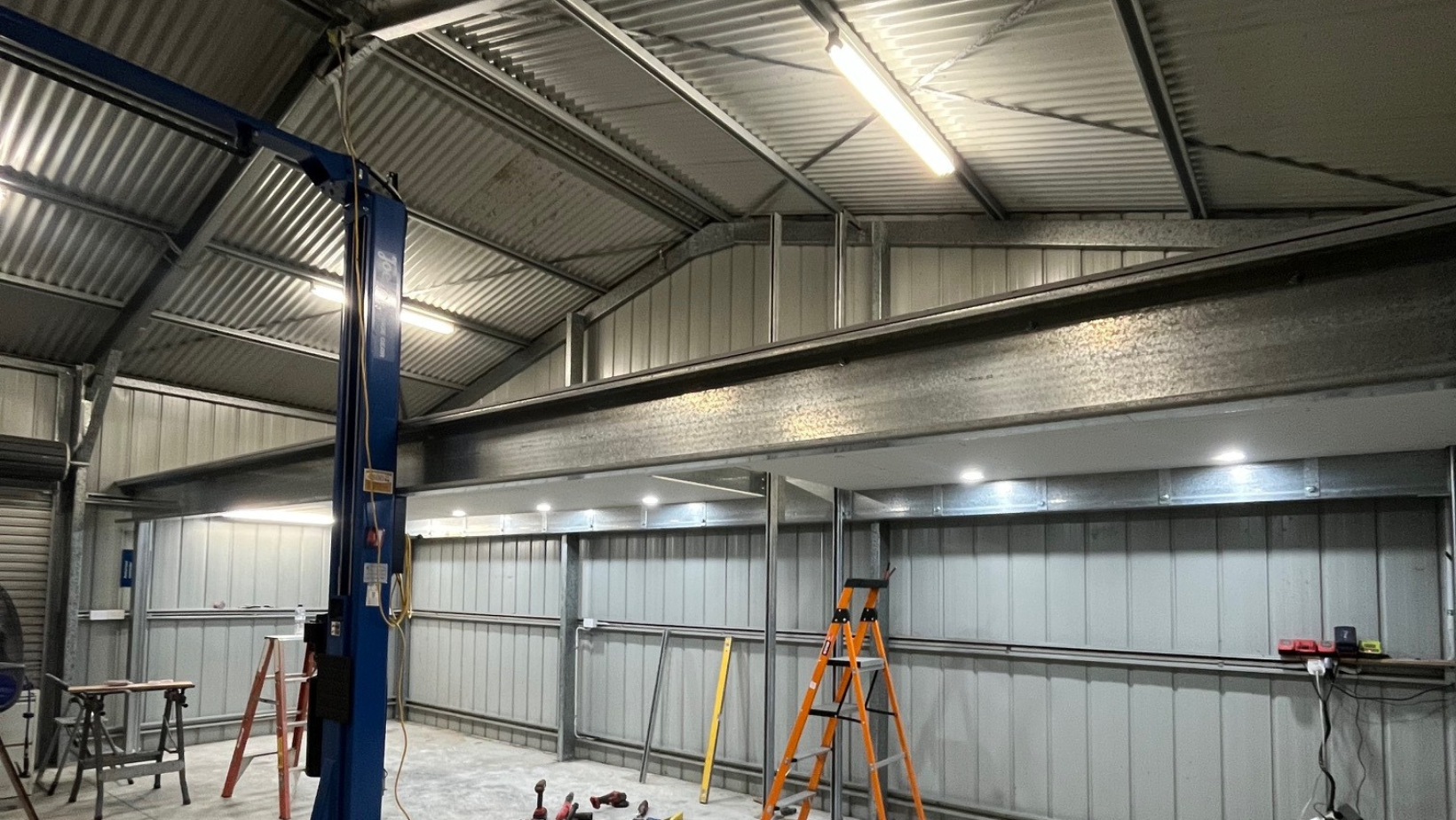
When installing a mezzanine floor in a steel shed, warehouse, or workshop, one of the most important factors to get right is load capacity.
It’s not something you want to guess.
A mezzanine floor that isn’t designed to handle the correct load can lead to structural stress, safety risks, and costly repairs. On the other hand, a properly calculated load capacity ensures your mezzanine is safe, compliant, and built to last.
Whether you’re planning to store stock, run equipment, or create a workspace, understanding how load capacity works is essential.
What Is Mezzanine Floor Load Capacity?
Load capacity refers to the maximum weight a mezzanine floor can safely support.
This includes:
- The weight of the structure itself
- Stored items or equipment
- People using the space
- Any dynamic movement or vibration
Load capacity is typically measured in kilograms per square metre (kg/m²), which helps determine how much weight can be distributed across the floor.
A professionally designed mezzanine takes all of these factors into account to ensure safety and compliance.
Why Getting Load Capacity Right Matters
Incorrect load calculations are one of the most common issues in mezzanine design.
If the load capacity is too low, you may experience:
- Floor sagging or deflection
- Structural stress on beams and columns
- Increased risk of failure
- Safety hazards for workers
If it’s overbuilt, you may end up spending more than necessary.
Getting the balance right is key—and that starts with proper planning.
If you’re still in the planning stage, it’s worth reviewing the mezzanine floor price guide to understand how load requirements affect cost.
Understanding the Different Types of Loads
To calculate mezzanine load capacity properly, you need to understand the different types of loads involved.
Dead Load
This is the weight of the mezzanine structure itself, including:
- Steel beams and columns
- Flooring materials
- Fixings and connections
Live Load
This includes all variable weight placed on the mezzanine, such as:
- Stored goods
- Equipment
- People
Point Load
Point loads refer to concentrated weight in a specific area, such as:
- Heavy machinery
- Storage racks
- Pallet stacks
Dynamic Load
This includes movement-related forces, such as:
- Equipment vibration
- Foot traffic
- Machinery operation
Each of these loads must be considered to ensure the mezzanine performs safely over time.
Typical Load Capacity Ranges
While every mezzanine is different, there are general load capacity ranges depending on usage:
- Light-duty (storage): 100–200 kg/m² – 1.0kPa-2.0kPa
- Medium-duty (workshops): 200–300 kg/m² – 2.0kPa-3.0.kPa
- Heavy-duty (warehouses): 300–500+ kg/m²- 3.0kPa-5.0kPa
These are only guidelines. The actual load capacity depends on your specific use case and must be calculated accordingly.
Key Factors That Affect Load Capacity
Several factors influence how much weight your mezzanine floor can safely support.
1. Intended Use
What you plan to use the mezzanine for has the biggest impact.
For example:
- Light storage requires less structural support
- Machinery or pallet storage requires significantly more
Planning for future use is also important—many businesses underestimate how their needs will grow.
2. Span and Layout
The distance between support columns (span) affects how loads are distributed.
Longer spans generally require:
- Stronger beams
- Additional structural support
A well-designed layout ensures weight is evenly distributed across the structure.
3. Flooring Materials
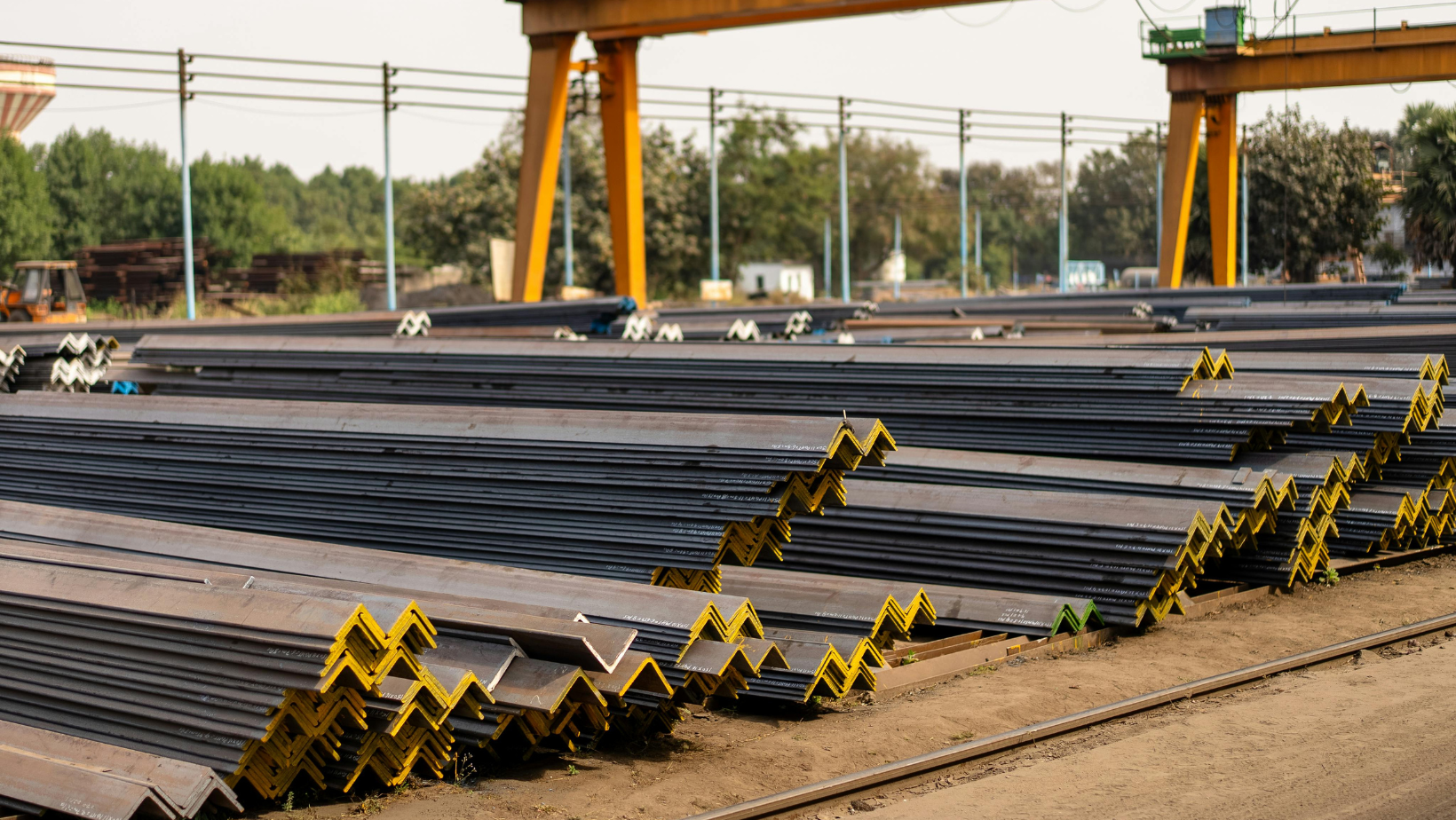
Different flooring materials offer different load capacities.
Common options include:
- Timber or plywood (lighter use)
- Steel decking (heavier use)
The choice of material should match your load requirements and usage.
4. Structural Design
The design of beams, columns, and connections plays a major role in load capacity.
This includes:
- Beam size and spacing
- Column positioning
- Connection strength
These elements must be engineered to handle the expected loads safely.
5. Integration with Your Shed
Your mezzanine doesn’t exist on its own—it interacts with your existing shed structure.
Factors include:
- Shed frame strength
- Slab capacity
- Overall building design
This is why mezzanine floors should always be designed to suit the specific shed.
You can explore how mezzanines integrate with sheds here.
Why You Should Never Guess Load Capacity
It might be tempting to estimate load capacity based on similar setups—but this is a risk.
Every shed and mezzanine is different, and incorrect assumptions can lead to:
- Structural failure
- Safety risks
- Compliance issues
- Expensive modifications
Load calculations should always be handled by professionals who understand structural design and Australian standards.
Compliance with Australian Standards
In Australia, mezzanine floors must comply with relevant building codes and standards.
This includes:
- National Construction Code (NCC)
- Australian Standards for structural design
- Workplace Health and Safety (WHS) requirements
Load capacity plays a key role in compliance, as it directly affects safety and performance.
Failure to meet these requirements can lead to:
- Fines or penalties
- Insurance complications
- Legal liability
How Professionals Calculate Load Capacity
Structural engineers use detailed calculations and design methods to determine safe load capacity.
This typically involves:
- Assessing intended use
- Calculating total loads
- Designing structural components
- Applying safety factors
- Ensuring compliance with standards
They also consider future use, ensuring the mezzanine remains suitable as your business grows.
Planning for the Future
One of the biggest mistakes businesses make is designing for current needs only.
As your operations grow, your mezzanine may need to support:
- More stock
- Heavier equipment
- Increased foot traffic
Planning for future load requirements ensures your mezzanine remains functional long-term and avoids costly upgrades later.
Final Thoughts
Load capacity is one of the most important aspects of mezzanine floor design—and one of the easiest to get wrong without proper planning.
Understanding how loads work, what affects them, and why accurate calculations matter will help ensure your mezzanine is:
- Safe
- Compliant
- Cost-effective
- Built to last
When it comes to load capacity, it’s always better to get it right the first time.
Ready to Build a Mezzanine Floor That’s Safe and Strong?
If you’re planning a mezzanine floor, getting the load capacity right is critical.
Request a quote to get a mezzanine floor designed specifically for your shed and load requirements
Or explore our mezzanine floor price guide to understand costs and options.
A properly designed mezzanine isn’t just extra space—it’s a safe, reliable structure you can depend on.