Choosing the Right Floor for Your Shed Space
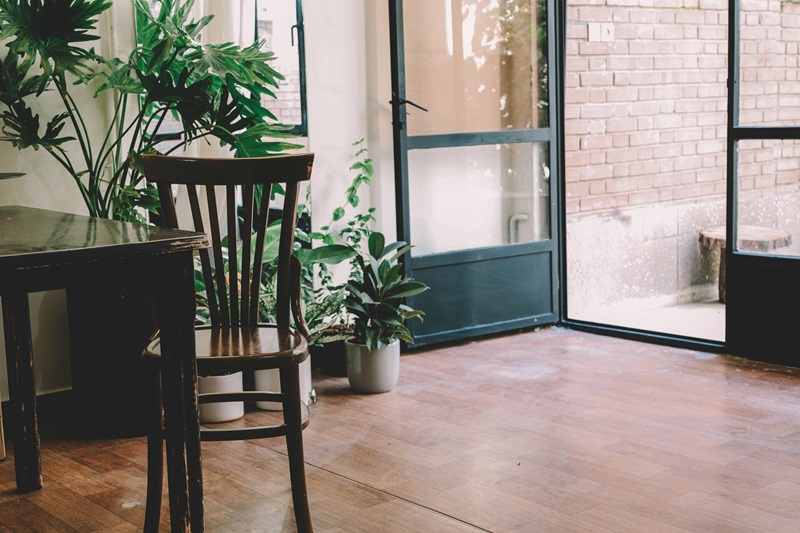
Picking out the right flooring for your shed might seem like a small detail, but it’s actually one of the most important choices you’ll make for the space. The floor you go with really shapes how you can use your shed, how long it’ll last, and how easy it is to keep tidy. The right flooring can help transform a simple shed into a functional workshop, comfortable home office, or organised space for hobbies and creative projects.
Assess Your Shed’s Purpose
Before comparing flooring options, consider how the shed will be used day-to-day. The demands of a workshop, storage area, home office, or gym can vary significantly, and the right flooring should reflect those needs.
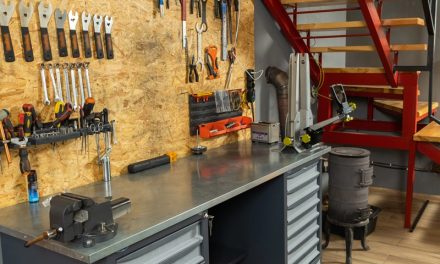
- Workshop: If your shed is where you do woodworking, work on cars, or tackle other hands-on projects, you’ll need a highly durable floor. It has to withstand dropped tools, heavy machinery, and spills of oil, paint, or solvents.
- Storage: For a shed primarily used for storage, you’re probably most worried about keeping moisture out and avoiding a fortune. You need something that’ll keep your belongings dry and is easy to clean when you’re moving boxes around.
- Home Office or Studio: If your shed is becoming a workspace or a creative spot, you’ll want a floor that feels good underfoot, is simple to clean, and looks nice. Keeping out the cold and damp and muffling noise might also be high on your list.
- Gym or Playroom: Here, you’ll want a floor that offers a bit of cushion, isn’t slippery, and can handle the impact from exercise gear or energetic kids.
Key Flooring Characteristics
Once you’ve nailed down what your shed will be used for, you can start looking at flooring options based on a few key things. Different materials shine in different ways, so it’s all about finding what works best for your specific needs. Think about how tough it is, how well it handles moisture, and how easy it is to clean.
The price will also play a role, but remember, going for the cheapest option might end up costing you more if you have to replace it sooner. Choosing a flooring option that suits your shed’s conditions and intended use will usually provide better long-term value.
Exploring Durable Flooring Options
With your priorities clear, it’s time to explore popular, practical flooring options for sheds. Concrete is a classic for good reason: it’s incredibly strong, fire-resistant, and sealable to protect against moisture and stains. For a workshop, heavy-duty rubber mats or interlocking tiles are fantastic because they absorb impact well and are comfortable to stand on for long stretches.
If you’re after a more polished look, vinyl flooring is a great choice since it’s waterproof and a breeze to clean. For sheds that serve as more than simple storage spaces, hybrid flooring offers a practical balance of durability, moisture resistance, and visual appeal. It combines the waterproof properties of vinyl with the stiffness of laminate, making it a strong choice for home offices, hobby rooms, and other multi-purpose shed spaces.
Installation and Maintenance Tips
No matter which flooring you pick, getting the installation right is crucial for how well it performs and how long it lasts. The very first step is always to get the subfloor ready. This means making sure it’s clean, dry, and perfectly level.
For most shed floors, especially those with a timber frame, putting down a vapour barrier is a must. It helps prevent ground moisture from affecting the performance and lifespan of the flooring material. For more detailed advice, check out the key steps for shed flooring to get a solid starting point for your project.
How you maintain your floor will depend on the material you choose.
- Concrete: Give it a fresh seal every few years to keep it resisting stains and moisture.
- Rubber: Just sweep it or mop it with a mild cleaner.
- Vinyl/Hybrid: Usually, a regular sweep and an occasional mop are all you need.
When to Consult a Flooring Expert
While many shed flooring projects are perfect for a keen DIYer, sometimes it’s worth bringing in a pro. If your shed’s subfloor is uneven or damaged, a flooring professional can assess the condition and recommend the most suitable solution. They have the right tools and know-how to properly level the surface, which is vital for a good finish, especially with materials like vinyl or hybrid planks. Plus, if you’re dealing with serious damp problems or aren’t sure about how to pick shed flooring for a specific use, a quick chat with an expert can save you time, money, and future headaches.
Ultimately, the flooring you choose plays a major role in how functional and comfortable your shed will be over time. Taking the time to pick and install the right material will make sure your shed does its job well for many years to come.