How Remote Sheds and Rural Workspaces Are Becoming More Connected
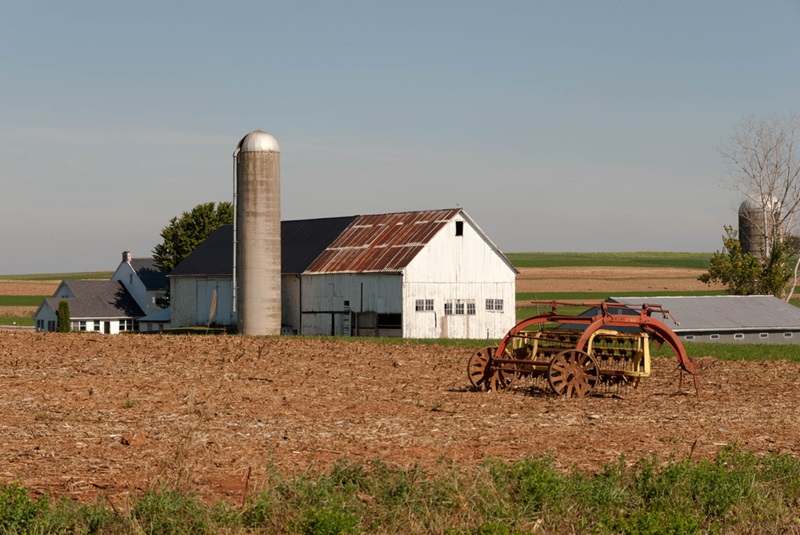
Australian sheds are no longer just storage spaces
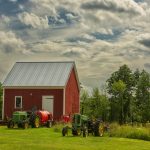
Across Australia, sheds have always played a practical role. They are used for tools, machinery, vehicles, farm equipment, workshops, storage, repairs and rural operations. On many properties, a shed is not an accessory; it is a working space. Whether it is a farm shed, a garage, a workshop, a commercial building or a small off-grid workspace, the modern shed is becoming more functional, more technical and more connected.
This direction fits naturally with ShedBlog, which focuses on steel sheds, shed construction, repairs, components, insulation, ventilation, security, lighting, mezzanine floors and practical building advice for Australian shed owners. The site also covers products and guides related to shed components, workshop use, storage and rural buildings.
From storage to productive workspaces
Many shed owners now use their sheds for more than storing equipment. A well-designed shed can become a workshop, home business space, farm office, hobby room, vehicle bay, packing area or maintenance hub. This shift means that the requirements are changing. A shed may need better lighting, ventilation, insulation, security and electrical planning.
For example, someone running a small rural business from a shed may need space for tools, benches, shelving, stock, computers and communication equipment. A farmer may need a shed that supports machinery maintenance, inventory management and day-to-day planning. A hobbyist may want a clean, secure and comfortable space for woodworking, metalwork or restoration projects.
In each case, the shed is part of a wider workflow. It needs to be practical, safe and suitable for regular use.
Connectivity is becoming part of shed planning
As sheds become more productive spaces, connectivity is becoming more important. A modern workshop or rural building may need internet access for security cameras, smart locks, cloud-based inventory, equipment manuals, online orders, weather monitoring, accounting tools or communication with suppliers and customers.
For rural properties, connectivity can sometimes be more challenging than in urban areas. Fixed broadband may not always reach the shed, Wi-Fi from the house may be weak, and mobile reception can vary depending on location, building materials and distance from towers. Steel structures in particular may require extra planning because signal quality can be affected by walls, roofing and internal layout.
This does not mean every shed needs a complex network setup. But it does mean that connectivity should be considered early, especially if the shed will be used as a workspace rather than simple storage.
Digital tools support rural and mobile work
Many people who use sheds for work also move between locations. Contractors, tradespeople, farmers, mobile mechanics and small business owners may travel between properties, suppliers, job sites and storage spaces. Their phone often becomes the link between the shed, the customer and the wider business.
Mobile connectivity helps with job scheduling, quoting, navigation, online banking, messaging, parts ordering and accessing documents. When work involves travel, having reliable data access can reduce downtime and make day-to-day operations smoother.
For business owners or tradespeople who travel internationally for sourcing, events, training or equipment research, a travel connectivity solution can also be useful. Services such as Holafly provide options like travel eSIM for mobile connectivity, allowing users to prepare mobile data before heading overseas. While this is not a shed product, it fits the broader reality of modern work: tools, workshops and business operations are increasingly connected, even when the owner is on the move.
Smart security for sheds and workshops
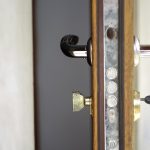
Security is one of the most important areas where connectivity can support shed owners. A shed may contain valuable tools, vehicles, machinery, stock or equipment. Connected cameras, motion sensors, smart lights and alert systems can help owners monitor activity and respond quickly if something unusual happens.
For remote sheds, this can be especially useful. If the building is not next to the main house or is located on a rural property, receiving alerts on a mobile device can provide reassurance. However, smart security only works properly when the connection is stable enough to send notifications, upload footage or allow remote access.
Before installing connected security systems, shed owners should check signal strength, power supply, data usage and device placement. A camera system that works well in a suburban garage may need different planning in a rural steel shed.
Power and lighting also affect usability
Connectivity is only one part of creating a functional shed. Power and lighting are equally important. A workspace needs safe electrical planning, enough outlets, suitable lighting for detailed work and possibly backup power depending on the use case. Solar lighting, LED systems and generators can all be relevant depending on the location and purpose of the shed.
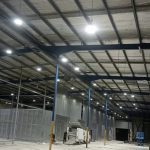
Good lighting improves safety and productivity. Poor lighting can make it harder to work with tools, inspect machinery, pack products or move safely around stored items. For sheds used early in the morning, at night or during winter, lighting should not be treated as an afterthought.
Ventilation, insulation and comfort matter
If a shed is used regularly, comfort becomes important. Heat, condensation, dust and poor airflow can make the space unpleasant or even damaging to stored equipment. ShedBlog includes categories and products related to insulation, vents, vermin seals, doors and shed components, which reflects how important these practical details are for long-term shed performance.
A connected workspace also needs protection from environmental conditions. Computers, routers, cameras, batteries and smart devices may not perform well in extreme heat, moisture or dust. Proper insulation, ventilation and sealing can help create a more reliable working environment.
Planning a shed for future use
One common mistake is designing a shed only for current needs. Over time, storage requirements grow, tools increase, businesses expand and technology changes. A shed that begins as a basic storage structure may later become a workshop, office or multi-use space.
For this reason, it is wise to plan with flexibility in mind. Extra power points, better lighting, stronger shelving, space for a workbench, improved ventilation and future connectivity options can all make the shed more useful over time. Even if certain systems are not installed immediately, leaving room for future upgrades can save time and money later.
Conclusion
The modern Australian shed is becoming more than a place to store tools. For many owners, it is a workshop, workspace, business hub, machinery area or rural operations centre. As a result, planning must go beyond walls, roofing and doors. Connectivity, lighting, insulation, ventilation, security and power all contribute to how well the shed performs.
Mobile and digital tools now support many of the tasks that happen in and around sheds, from security monitoring to business communication. While the core purpose of a shed remains practical, the way people use these spaces is evolving. A well-planned shed should therefore be durable, functional and ready for a more connected way of working.