Fire Safety for Mezzanine Floors: What You Need to Know
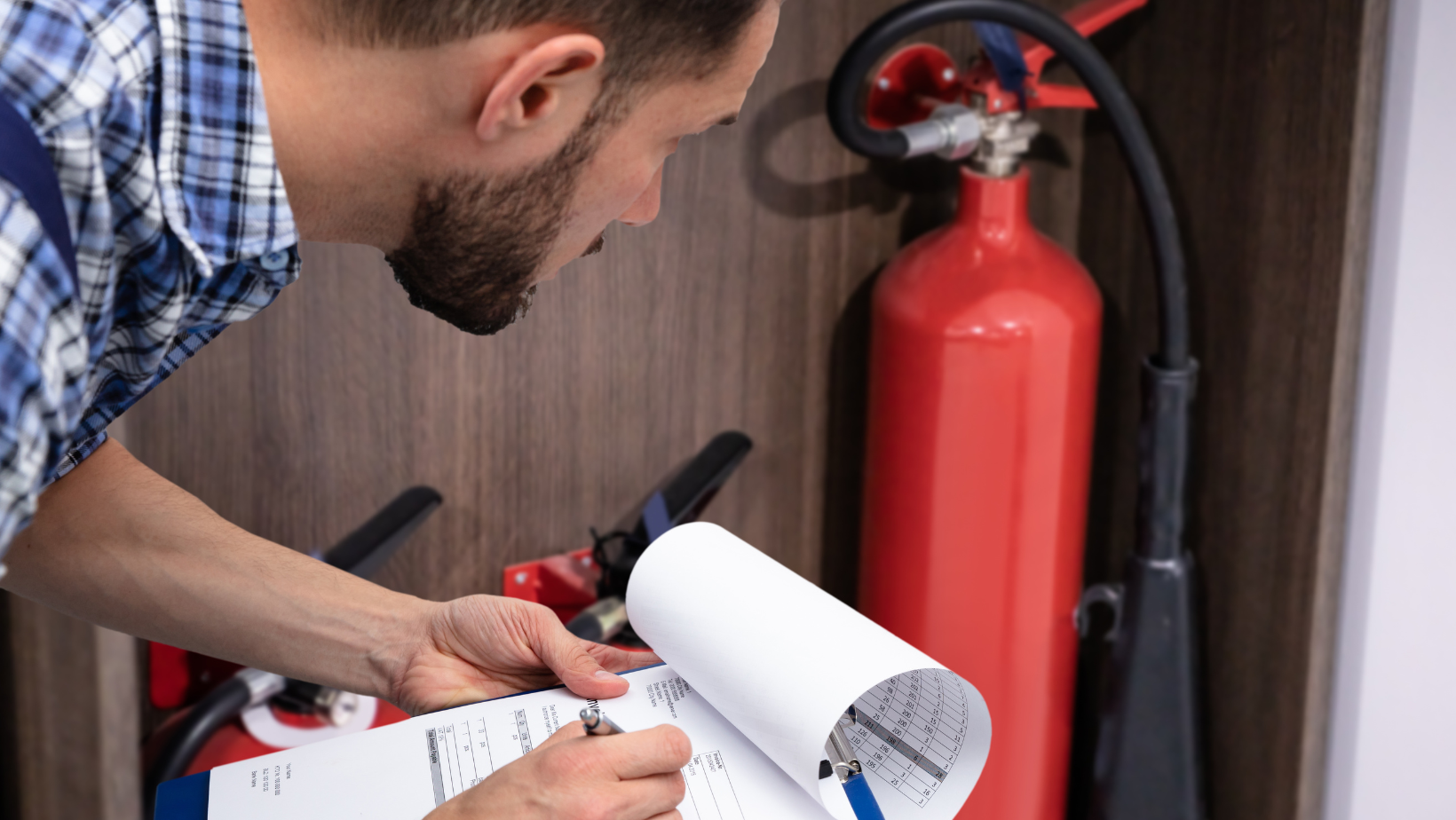
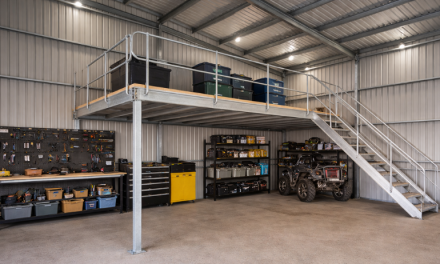
When installing a mezzanine floor in a steel shed, warehouse, or workshop, one of the most critical considerations is fire safety.
It’s not just about ticking a compliance box—it’s about protecting your people, your assets, and your business. A poorly designed mezzanine can increase fire risk, slow down evacuation, and create serious safety hazards.
In Australia, mezzanine floors must comply with strict requirements under the National Construction Code (NCC), which sets minimum standards for building safety, including fire protection and evacuation.
If you’re planning a mezzanine floor or upgrading an existing one, here’s what you need to know to ensure it meets fire safety standards.
Why Fire Safety Matters in Mezzanine Design
Adding a mezzanine floor changes how a building behaves in a fire.
It introduces:
- Additional levels that can trap heat and smoke
- More materials that may contribute to fire spread
- Increased occupancy in elevated areas
- More complex evacuation routes
Because of this, mezzanine floors must be carefully designed to reduce fire risks and ensure safe evacuation.
The NCC specifically includes requirements to limit fire spread and ensure occupants can exit quickly and safely.
1. Ensure Proper Fire-Rated Materials Are Used
One of the first steps in fire-safe mezzanine design is selecting the right materials.
Depending on your building classification and usage, you may need:
- Fire-rated steel components
- Fire-resistant wall linings
- Protective coatings on structural elements
- Fire-rated enclosures around stairs or access points
These materials help slow the spread of fire and provide more time for evacuation.
Using non-compliant materials can significantly increase fire risk and may result in your mezzanine failing inspection.
2. Install Fire Detection and Alarm Systems
Early detection is critical in any fire situation.
Your mezzanine should be integrated into your building’s fire detection system, including:
- Smoke detectors
- Fire alarms
- Warning systems
These systems ensure that occupants are alerted quickly and can evacuate safely.
Smoke detection is especially important in mezzanine areas, as smoke tends to rise and accumulate at higher levels.
3. Consider Sprinkler and Fire Suppression Systems
In many commercial and industrial settings, installing or upgrading fire suppression systems is essential when adding a mezzanine.
This may include:
- Sprinkler systems
- Fire extinguishers
- Hose reels
A mezzanine floor can alter how fire spreads within a building, which means existing sprinkler systems may need to be adjusted or extended.
Fire suppression systems play a key role in controlling fires early and reducing damage.
4. Plan Safe and Compliant Egress (Exits)
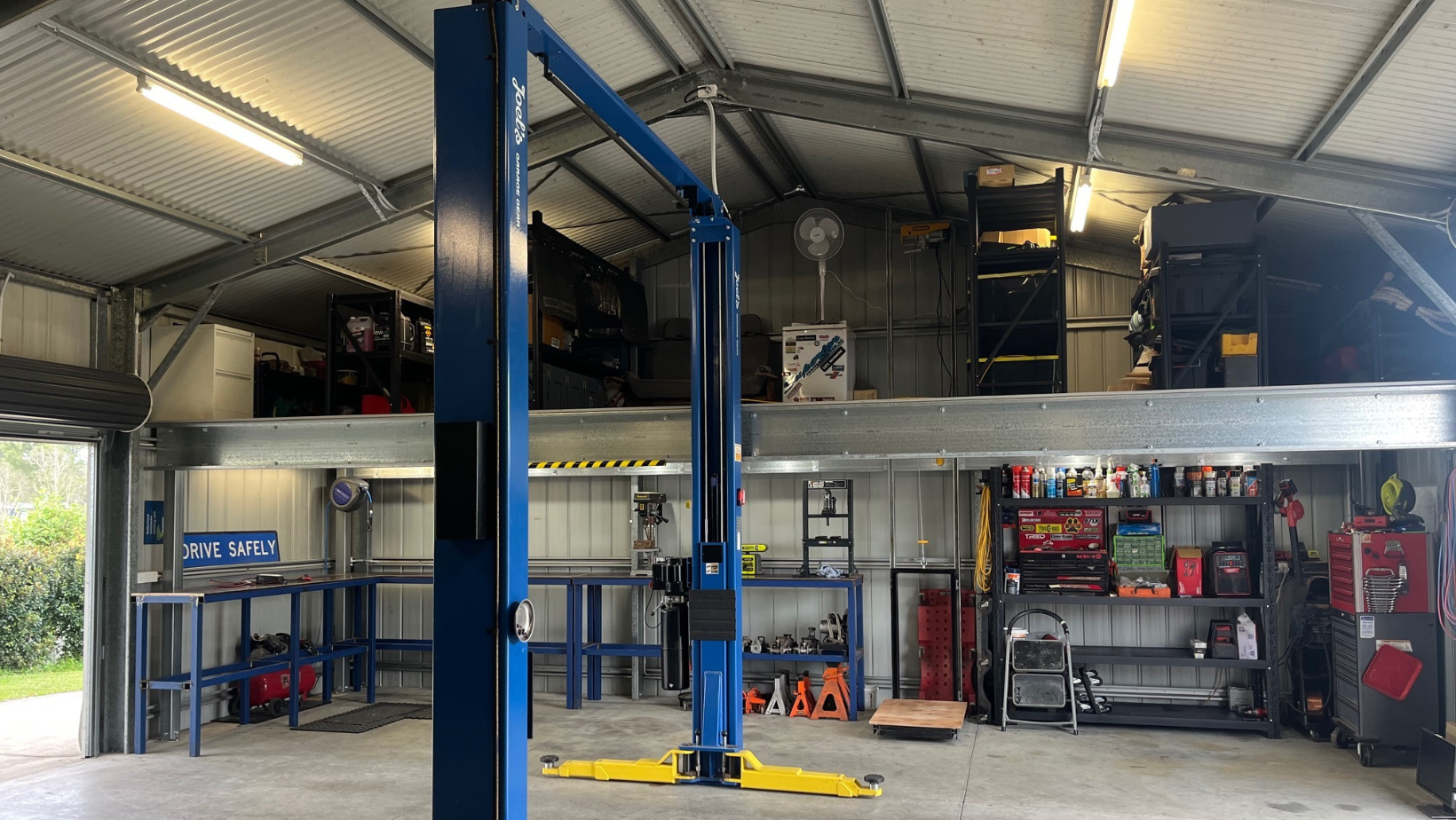
One of the most important aspects of mezzanine fire safety is ensuring safe evacuation.
The NCC requires that occupants must be able to exit quickly and safely, with:
- Clearly defined exit paths
- Adequate stair access
- Sufficient number of exits
In many cases, people must be within a specified distance of an exit, and additional staircases may be required depending on the mezzanine size and layout.
Poor planning here can result in:
- Congestion during evacuation
- Increased risk of injury
- Non-compliance with building codes
5. Maintain Clear Access and Walkways
Even with proper exits, evacuation won’t work if pathways are blocked.
Your mezzanine design should ensure:
- Clear, unobstructed walkways
- Adequate aisle widths
- Proper storage layout
Storage systems, shelving, and equipment must be positioned so they do not interfere with escape routes.
This is particularly important in warehouses where stock levels can change frequently.
6. Provide Emergency Lighting and Signage
In a fire or power outage, visibility becomes a major issue.
Emergency lighting and signage are essential to guide occupants safely out of the building.
This includes:
- Exit signs
- Emergency lighting along walkways
- Clearly marked stairways
Mezzanine floors must include these features to meet evacuation requirements and ensure visibility during emergencies.
7. Ensure Compliance with Australian Standards and NCC
Fire safety is not a standalone requirement—it’s part of a broader compliance framework.
In Australia, mezzanine floors must meet:
- National Construction Code (NCC) requirements
- Australian Standards (e.g. AS1657 for access systems)
- Workplace Health and Safety (WHS) regulations
These standards cover everything from structural design to fire safety and evacuation.
Failure to comply can result in:
- Fines and penalties
- Insurance issues
- Legal liability
- Costly redesigns
To better understand costs and compliance requirements, you can explore the mezzanine floor price guide
8. Work with Professionals and Fire Engineers
Fire safety in mezzanine design can quickly become complex, especially in larger or commercial projects.
In many cases, a fire engineer or qualified professional is required to:
- Assess fire risks
- Design compliant solutions
- Provide certification
- Ensure NCC compliance
Fire engineering reports may be needed for complex layouts, particularly where standard solutions don’t apply.
Working with professionals ensures your mezzanine is not only compliant but also safe and practical.
9. Regular Inspections and Maintenance
Fire safety doesn’t stop after installation.
To remain compliant and safe, mezzanine floors should be regularly inspected to ensure:
- Fire systems are functioning correctly
- Exit paths remain clear
- Safety features are maintained
- No structural changes affect compliance
Ongoing maintenance is essential to keep your mezzanine safe over time.
Why Fire Safety Should Never Be Overlooked
It’s easy to focus on storage, layout, and cost when installing a mezzanine—but fire safety should always be a priority.
A compliant mezzanine:
- Protects your workers and visitors
- Reduces business risk
- Ensures legal compliance
- Provides peace of mind
Cutting corners on fire safety can lead to serious consequences—not just financially, but in terms of safety.
Final Thoughts
A mezzanine floor is a powerful way to maximise space in a steel shed or warehouse—but it must be designed with fire safety in mind.
From fire-rated materials and sprinkler systems to safe exits and compliance with the NCC, every detail matters.
Getting it right from the start ensures your mezzanine is safe, compliant, and built to perform long-term.
Ready to Build a Safe and Compliant Mezzanine Floor?
If you’re planning a mezzanine floor, it’s important to get the design, engineering, and fire safety right from the beginning.
Request a quote to get a mezzanine floor tailored to your shed and business needs
Or explore our mezzanine floor price guide to understand costs and options.
A well-designed mezzanine isn’t just about space—it’s about safety, compliance, and long-term performance.