5 Things to Prepare Before Backyard Utility Additions
Backyard utility additions aren’t usually straightforward to just install willy-nilly. There needs to be some level of planning and assessment, and even regulatory checks. So, how can you go about an installation with minimal headaches? It takes some effort on your part, but from locating underground lines to checking local compliance, here are some useful tips.
Level and Clear the Ground
Any site that needs new utilities also needs clean and clear ground. This means removing debris, shrubbery and even trees that can get in the way. Professional trenching is highly recommended when doing this, as even the smallest mistake could be pretty costly. This will help remove rocks and other items for an easier installation, but will also keep the space organised. It is also recommended to add a membrane to the base to control weeds.
Locate and Mark Underground Lines
The last thing you need is to begin excavation only to hit an existing water, power or gas line. Not only will this cost you dearly, but it could be extremely dangerous. Before doing any work, you need to locate existing lines and mark them clearly. Of course, this is pretty hard to do and typically requires a professional touch. So, before putting a spade to the ground, check for a local “call before you dig” service that can help ensure new trenches don’t cause major damage.
Assess Needs Before Backyard Utility Additions
Backyard injuries are common when completing a DIY job, and over 100,000 people are admitted to hospital each year because of this in the UK alone. So before tackling any job, it is best to assess the needs first and define how the utility will be used. For example, identify how many electrical outlets and switches will be needed and plan for water pressure. These can help maintain structural integrity in backyard steel sheds, as you won’t need to redo critical tasks.
Check Any Local Regulations and Permits
Also, before starting any work, you must check local regulations, compliance and laws around digging and adding new utility lines. Starting work without the proper permission will result in fines, and you will probably have to revert the work, too, costing you double the amount of money. It can also make it harder to obtain the permits you need later on. If you want to avoid some of the worst headaches when excavating, always get in touch with the local offices.
Plan Access Routes and Protection
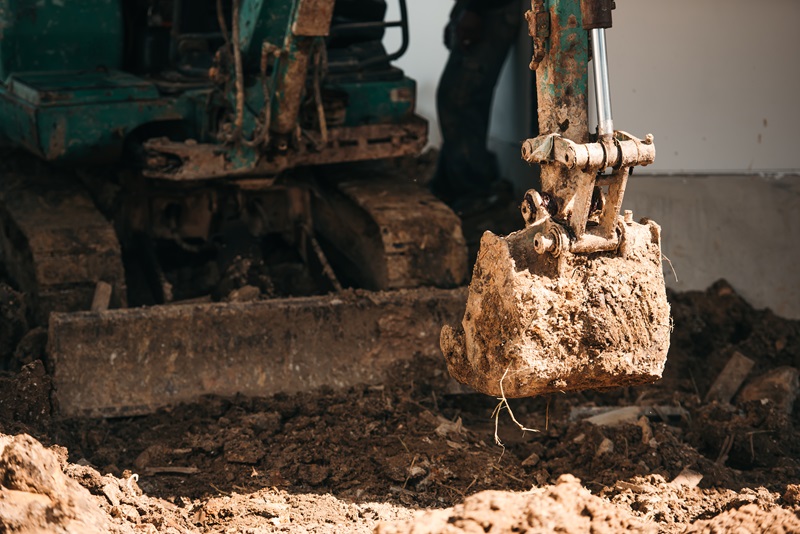
When you are planning an installation, any contractors you use will need safe access to the site. Without this, they might refuse to work, so always plan for routes in and out of the digsite. This includes the workers, of course, but you also need to ensure there is enough safe space for equipment such as excavators, too. This kind of planning is vital for avoiding damage to underground and overhead utility assets while making sure everyone also stays safe.
Summary
Levelling and clearing the ground of debris before backyard utility additions is a good start to digsite preparation. However, it also helps to assess the needs of the structure from utilities to avoid re-work, and ensure any excavation site has safe access for workers and machinery.