4 Priorities When Hooking Your Shed Up To Utilities

Outdoor sheds become infinitely more functional when you hook them up to utilities like electricity, water, and sewerage. However, doing this often requires quite a bit of work and practical sequencing. You also need to make sure that you are complying with local building codes and regulations. What are your main priorities? If you’re planning on hooking your shed up to utilities, here’s a quick guide we’ve written.
Determine your needs first

You’ll want to start off the process by determining your needs first. You’ll need to think about what you require your shed to be able to do for you. For example:
- Do you need basic lighting and outlets?
- Do you require enough power supply for workshop tools?
- Is there a need for a heater or hot water systems?
Which utilities you add will depend on what you want to use your shed for. If you’re planning on being in there for most of the day, you’ll require more utilities than if you’re just using it for storage for old bicycles.
Check planning and local codes
The next thing to do on your priority list is to check planning and local codes. You want to make sure that you have the right permits to add utilities and plumbing to your shed. Some areas will actually not allow you to do this, so it’s always worth checking with relevant departments first before proceeding with any work. If you go ahead and you don’t have planning, then you may be asked to reverse any modifications you make to your shed and perhaps even pay a fine.
Prioritize electricity supply
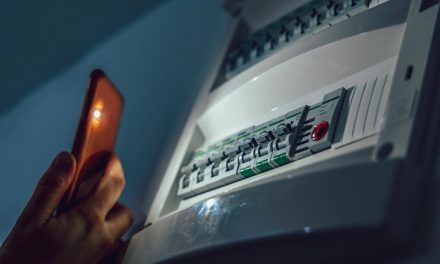
If you are adding utilities to your shed, then make sure you prioritise the electricity supply first, as this is going to be the most useful addition. That’s because electricity is ideal for powering lights, tools, fans, and everything else that you’re using in your shed. While having a supply of water is also helpful, you’ll get the most bang for the buck out of an electrical line.
If you install power cables, run them underground from the house’s main panel. You can put them under paving slabs or dig them deeper into the ground if you want something that’s more permanent. Most electricians recommend a burial depth of between 12 and 24 inches.
Plan your plumbing and drainage
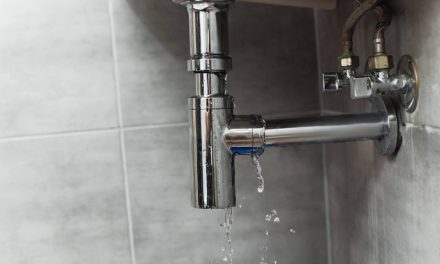
After that, the next step is to plan your plumbing and drainage. If you’re installing water lines, make sure you use PVC or PEX piping and bury it between 12 and 48 inches below the surface to prevent freezing. If it’s particularly cold in your area, make sure you speak to specialists about how you can insulate piping and prevent waste water or fresh water from expanding when temperatures drop below zero. Make sure you also separate the water and sewer lines by at least 10 feet. If they’re going to be closer than that, then use membrane barriers to protect you against cracking and contamination.
So there you have it, some of your priorities when hooking up your shed to utilities.