Turning Your Shed Bathroom Into a Functional, Low-Maintenance Space
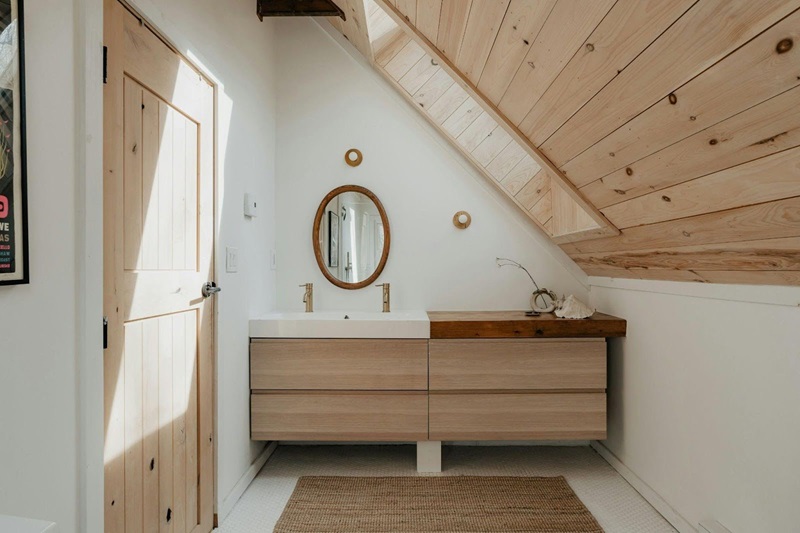
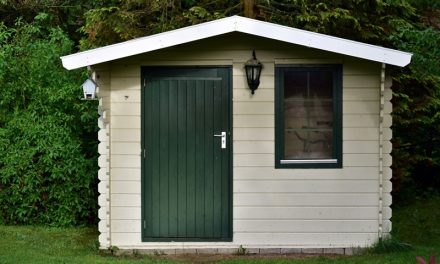
Sheds across Australia are no longer limited to storage. They are increasingly being transformed into workshops, home offices, gyms, and even secondary living spaces. As these spaces evolve, so do the expectations around comfort and usability. One of the most significant upgrades homeowners consider is adding a functional bathroom.
While installing a bathroom in a shed can dramatically improve convenience, it also introduces a new level of complexity. Plumbing, drainage, and water efficiency become critical factors that determine whether the space remains practical over time. Unlike standard home bathrooms, shed bathrooms often operate under different conditions, including limited space, varying insulation levels, and distance from main water lines.
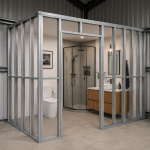
Creating a bathroom that performs reliably in this environment requires careful planning and attention to detail. Done correctly, it can transform a simple structure into a fully functional extension of the home.
Planning Plumbing Before You Build
One of the most common mistakes in shed upgrades is leaving plumbing decisions until late in the process. Unlike electrical or interior finishes, plumbing infrastructure is difficult to adjust once installed.
Proper planning involves understanding how water will be supplied, how waste will be removed, and how the system will handle long-term use. This includes considering pipe placement, drainage slopes, and connection points to existing systems.
ShedBlog emphasizes the importance of planning infrastructure early when upgrading or building functional shed spaces, as these decisions directly affect usability and long-term performance.
By addressing these factors from the beginning, homeowners can avoid costly modifications and ensure that the bathroom functions efficiently from day one.
Choosing Fixtures That Suit Shed Environments
Bathrooms in sheds require fixtures that are both durable and space-efficient. Standard household fixtures may not always be the best fit, particularly in smaller or less insulated structures.
Compact sinks, efficient toilets, and water-saving shower systems are often better suited to these environments. These options help reduce water usage while maintaining functionality.
Material choice is also important. Fixtures that resist moisture and temperature fluctuations are more likely to perform well over time, especially in sheds that may not have the same level of climate control as the main house.
Getting Professional Installation Right the First Time
Installing plumbing in a shed is not just about connecting pipes, it requires a full understanding of water pressure, drainage systems, and local building requirements.
For this reason, many homeowners rely on Reliable Bathroom Plumber melbourne to ensure that installations are done correctly and meet long-term performance expectations.
Professional installation reduces the risk of leaks, drainage issues, and inefficient water flow. It also ensures that the system complies with local standards, which is particularly important for properties that may be sold or rented in the future.
Water Efficiency and Sustainable Shed Upgrades
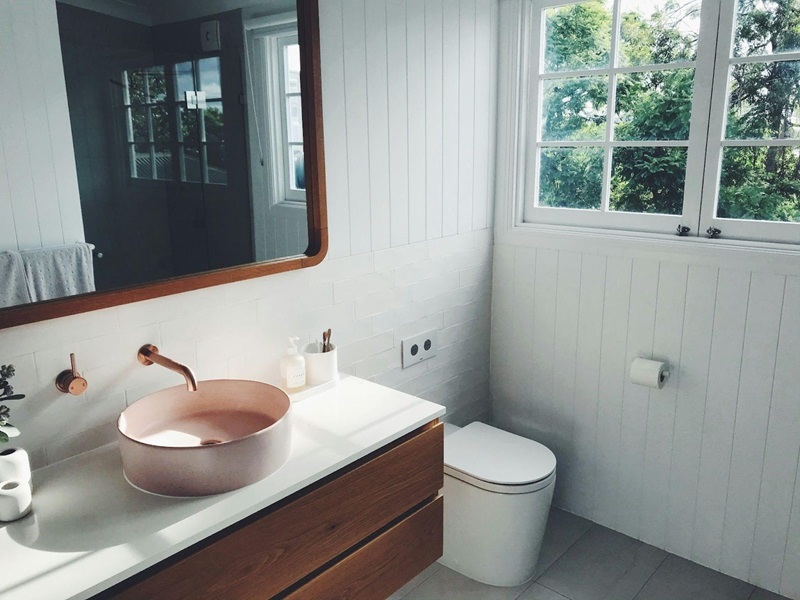
As sheds become more integrated into daily living, water efficiency is becoming an important consideration. Efficient plumbing systems reduce both environmental impact and operating costs.
Low-flow fixtures, efficient pipe layouts, and proper insulation all contribute to better water usage. These improvements are particularly valuable in detached structures, where inefficiencies can go unnoticed for longer periods.
Investing in water efficiency not only lowers utility bills but also supports sustainable building practices, which are increasingly important in modern home design.
Why Proper Drainage Matters More in Sheds
Drainage is one of the most critical aspects of any bathroom, but it becomes even more important in a shed environment. Poor drainage can lead to standing water, unpleasant odors, and long-term structural issues.
Unlike traditional homes, sheds may not always be built on foundations designed for plumbing systems. This makes it essential to ensure that drainage is properly planned and installed.
Even small errors in slope or pipe placement can lead to ongoing problems that are difficult to fix once the system is in place.
Health, Hygiene, and Safe Water Systems
Adding a bathroom to a shed introduces new responsibilities in terms of hygiene and water safety. Clean water supply and proper waste disposal are essential for maintaining a safe environment.
According to the World Health Organization (WHO), safe sanitation and reliable water systems are fundamental to preventing health risks and maintaining hygiene standards in living spaces.
This highlights the importance of ensuring that shed bathrooms are not only functional but also meet basic health and safety requirements.
Managing Temperature and Moisture in Shed Bathrooms
Shed environments often experience greater temperature fluctuations than standard homes. This can affect plumbing systems, particularly in colder or more humid conditions.
Insulating pipes and ensuring proper ventilation helps prevent issues such as condensation, mold growth, and pipe damage. These steps are essential for maintaining both system performance and overall comfort.
Ventilation is especially important in bathrooms, where moisture levels are naturally higher. Without it, excess humidity can lead to long-term damage and reduced air quality.
Preventative Maintenance for Long-Term Performance
Once a shed bathroom is installed, ongoing maintenance becomes essential. Regular inspections help identify potential issues before they develop into larger problems.
Checking for leaks, monitoring water pressure, and ensuring that drains remain clear are simple steps that can significantly extend the lifespan of the system.
Preventative maintenance is particularly important in shed environments, where issues may not be immediately visible. By staying proactive, homeowners can ensure that their upgraded space remains functional and reliable for years to come.
Turning Utility Spaces Into Comfortable Living Areas
The addition of a bathroom transforms how a shed can be used. What was once a basic storage area can become a fully functional living or working space.
This upgrade supports a wide range of uses, from home offices to guest accommodations, increasing both convenience and property value.
As sheds continue to evolve, the demand for functional, well-designed spaces will only grow. Ensuring that essential systems like plumbing are properly installed and maintained is key to making these spaces truly usable and comfortable.