Setting Up Your First Shed on a Regional Victorian Property
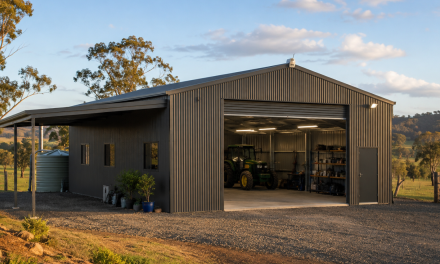
Moving to regional Victoria often means finally having space for a proper shed. After years of cramped suburban garages or renting without any workshop space at all, the prospect of a dedicated outbuilding sparks genuine excitement. The shed becomes more than storage. It transforms into a workshop, a hobby space, a retreat from the house, and a symbol of the rural lifestyle that drew you to the country in the first place.
Getting your first shed right requires planning across several dimensions. Location on your property, size and configuration, council requirements, and budget all demand consideration before construction begins. We’ll walk through the key decisions that ensure your shed serves you well for decades to come.
Choosing the Right Location on Your Property
Shed placement involves more than finding a flat spot with easy access. Several factors deserve consideration before finalising location.
Drainage patterns across your property affect shed longevity and usability. Water flowing toward or pooling near shed foundations creates problems ranging from muddy approaches to structural damage. Observe your property during heavy rain to understand where water moves. Choose locations that drain naturally or can be graded to redirect water away from the building.
Solar orientation matters if you plan to spend time in the shed. A building aligned with long sides facing north receives good natural light and passive solar heating in winter. East facing doors catch morning sun while avoiding afternoon heat during summer. These considerations seem minor until you experience a well designed shed compared to one that fights the climate.
Prevailing winds affect comfort and should influence door placement. In most of Victoria, winds come predominantly from the west and southwest. Positioning main doors away from these directions prevents wind driving rain inside and keeps the shed more comfortable during blustery weather.
Access for vehicles needs sufficient clearance and turning space. Consider not just your current vehicles but future possibilities. That small hatchback might become a ute or camper trailer. Boats and caravans require wider approaches. Planning for larger vehicles now avoids restrictions later.
Distance from your house affects utility connections and daily convenience. A shed too far from the house becomes inconvenient for quick tool grabs, while one too close may create noise issues for indoor occupants. Most people find 20 to 50 metres provides good balance between accessibility and separation.
Council Requirements and Permits
Victorian councils regulate shed construction through planning and building permit requirements. These rules vary between municipalities, and understanding your specific council’s requirements prevents costly mistakes.
Permitted development provisions allow small sheds without planning permits in many circumstances, but size limits, setbacks from boundaries, and coverage restrictions apply. Sheds exceeding permitted development thresholds require planning applications with associated fees, timeframes, and uncertainty about approval.
Building permits address structural adequacy, fire safety, and construction quality. Even sheds not requiring planning permits typically need building approval. Engaging a registered building surveyor early clarifies requirements and prevents wasted construction effort.
Bushfire prone areas impose additional requirements including building material specifications, vegetation clearances, and potentially upgraded construction standards. Properties in designated bushfire zones should seek specific advice before shed planning progresses.
Heritage overlays, environmental significance overlays, and other planning controls may affect what you can build and where. A property survey and planning certificate reveal applicable restrictions.
The approval process can take weeks or months depending on complexity. Begin investigations well before your intended construction date. Engaging professionals experienced with local council requirements often saves time and frustration.
Selecting Size and Configuration
First time shed owners commonly underestimate space needs. The shed that seemed generous on paper feels cramped once workbenches, storage, and equipment occupy the floor. Building slightly larger than current needs seem to justify almost always proves wise.
Consider how you intend to use the space. A purely storage shed needs different configuration than a working workshop. Vehicle storage demands clear floor space and appropriate door dimensions. Hobby activities require workbench areas with good lighting and power access.
Height matters more than many people realise. Standard wall heights around 2.4 metres work for basic storage but feel constrained for workshop use. Higher walls of 2.7 to 3.0 metres provide comfortable space for tall storage, overhead lighting, and better air circulation. Very high clearance allows vehicle hoists and mezzanine floors.
Separation of uses improves functionality. A dedicated clean workshop area separated from dusty storage prevents tools from constant cleaning. A secure section for valuable equipment provides peace of mind. Multiple access points allow different uses without conflict.
Natural light through skylights or translucent panels reduces electricity costs and improves working environment. Even a few well placed panels transform shed atmosphere compared to relying entirely on artificial lighting.
Getting Your Equipment There
Relocating to a regional property typically involves transporting workshop equipment, tools, and machinery from your previous location. This logistics challenge requires more planning than domestic furniture moving.
Heavy equipment like welders, compressors, drill presses, and lathes exceeds normal moving scenarios. These items may require special handling, specific loading equipment, and secure positioning during transit. Weight concentration on truck floors matters for balance and safety.
Valuable tools deserve careful packing to prevent damage. Hand tools thrown loosely into boxes arrive scratched and potentially unsafe if edges are exposed. Proper wrapping and organisation protects your investment and ensures everything arrives functional.
Timing coordination between property settlement, shed construction, and equipment delivery requires planning. Equipment arriving before the shed is ready needs temporary storage that may incur costs and handling.
Professional movers experienced with regional Victorian relocations understand these challenges. Country moving specialists handle the longer distances, remote property access, and varied loads that distinguish rural moves from suburban relocations. Their expertise with gravel driveways, farm gates, and properties lacking paved access prevents problems that surprise city based operators.
Setting Up Utilities
A fully functional shed requires power, and potentially water and drainage. Planning these connections during construction saves significant cost compared to retrofitting later.
Electrical supply can come from your house via underground or overhead cable, or through a separate meter for larger installations. Licensed electricians must perform this work. Consider your power needs including welders, compressors, air conditioning, and lighting when specifying capacity.
Plumbing serves sheds used for vehicle washing, hobby activities involving water, or simply providing a convenient outdoor tap. Running water and drainage during construction involves modest incremental cost compared to digging trenches later.
Internet connectivity increasingly matters as regional internet infrastructure improves. Consider whether you might want connectivity for music, instruction videos, or communication while working. Conduit for future cabling costs little to install during construction.
Lighting design affects usability significantly. Natural light through skylights supplements artificial lighting during daytime. Well positioned LED lighting eliminates shadows for detailed work. Consider task lighting at workbenches separate from general illumination.
Finishing Touches That Make a Difference
Beyond basic construction, details transform a shed from bare structure to functional workspace.
Floor treatment protects concrete from staining and makes cleaning easier. Epoxy coatings provide durable, attractive surfaces that resist oil and chemicals. Even simple sealing improves bare concrete performance.
Insulation moderates temperature extremes that make regional Victorian sheds uncomfortable. Summer heat and winter cold both diminish without insulation. Roof insulation alone provides significant benefit at modest cost.
Ventilation prevents condensation problems and improves air quality when using paints, solvents, or generating dust. Whirlybirds provide passive extraction while wall vents allow fresh air entry. Active ventilation suits intensive uses.
Storage systems including shelving, pegboard, and purpose built organisers keep tools accessible and protect them from damage. Investing in good storage pays dividends daily through improved efficiency and reduced frustration.
The shed you build now will serve you for decades. Time invested in planning ensures that your regional Victorian property includes a workspace that supports your hobbies, projects, and rural lifestyle for years to come.