Simple Ways to Make Your Home Feel Safer Without a Major Renovation
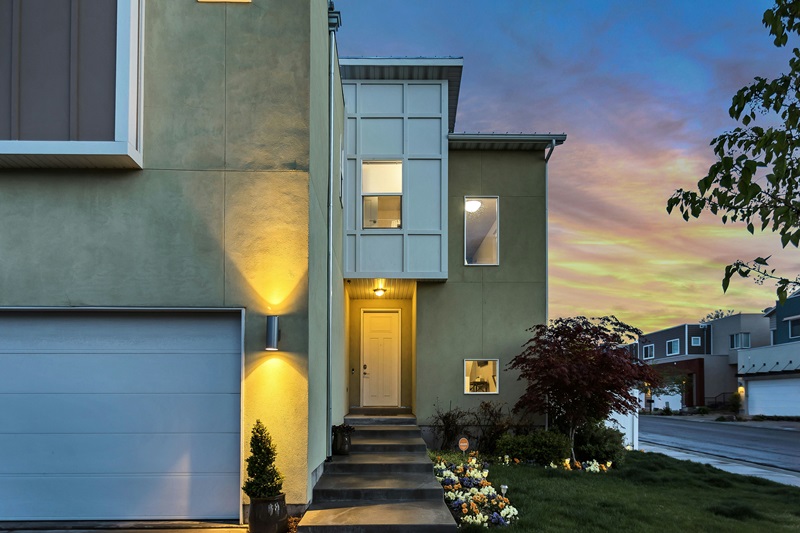
Feeling secure at home is about more than installing the latest technology or spending thousands on improvements. Small changes often have the biggest impact because they address the everyday habits and weak points that are easy to overlook. A well-maintained property not only offers greater peace of mind but can also make daily life more comfortable for everyone living there.
Many homeowners focus on decorating, landscaping, or upgrading kitchens and bathrooms, yet basic security measures are often left until something goes wrong. Taking a little time to assess your home from an outsider’s perspective can reveal simple opportunities to improve both safety and convenience.
Start With Your Doors
Your front and back doors are the primary entry points to your home, making them the first place to check. A solid door fitted with quality locks offers far more protection than decorative features alone.
Look closely at the condition of the door frame, hinges, and locking mechanism. Even a strong lock can become less effective if the frame has started to weaken or the door no longer closes properly. Wooden doors can swell during wet weather, while older uPVC doors may gradually move out o alignment.
If your locks feel stiff, require excessive force, or no longer operate smoothly, it is worth having them inspected before they fail completely. Preventative maintenance is usually quicker and less expensive than dealing with an emergency lockout or repairing damage after a break-in.
For homeowners looking for professional advice, VicLocks Locksmiths can provide guidance on choosing suitable locks, upgrading existing security, and ensuring doors continue to perform as intended.
Don’t Overlook Your Windows
Windows are often forgotten when people think about home security. An unlocked or damaged window can provide an easy opportunity for an intruder, particularly at the rear or side of a property where there is less visibility from the street.
Check that every window closes fully and locks correctly. If keys are required, store them somewhere nearby but out of sight. This makes it easier to secure windows while still allowing quick access if needed.
Ground-floor windows deserve particular attention, although upper-floor windows should not be ignored. Extensions, flat roofs, sheds, and garden structures can sometimes provide unexpected access points.
Simple habits such as closing windows before leaving the house or going to bed can make a noticeable difference.
Improve Outdoor Lighting
Good lighting discourages unwanted visitors while making your property easier to navigate after dark.
Motion-activated lights near entrances, garages, and side paths provide illumination only when required, helping to save energy while increasing visibility. Well-lit pathways also reduce the chance of trips and falls for family members and visitors.
Trim hedges or overgrown shrubs that may block lighting or provide hiding places. While privacy is important, excessive planting immediately around entrances can reduce visibility from neighbors or passing traffic.
Lighting does not need to be expensive or complicated. Even a few carefully positioned fixtures can transform how secure a property feels during the evening.
Keep Your Garden Secure
Gardens often contain expensive equipment that attracts unwanted attention. Lawn mowers, bicycles, power tools, and outdoor furniture should be stored securely whenever possible.
Check gates regularly to ensure they close properly and replace damaged latches before they become a problem. Fencing should also be inspected after storms or strong winds, as loose panels can create easy access points.
If you have a shed, fit a reliable lock and avoid leaving valuable equipment in plain view through windows. Frosted film or simple curtains can prevent opportunistic thieves from seeing what is stored inside.
A tidy garden also gives the impression that a property is occupied and well cared for.
Develop Better Everyday Habits
The most effective security improvements often cost nothing at all.
Double-check that doors are locked before leaving, even if you are only popping out briefly. Avoid hiding spare keys under doormats, flowerpots, or decorative ornaments, as these remain some of the first places an intruder will check.
If you are away for several days, ask a trusted neighbor to collect post move bins, or occasionally park on your driveway if appropriate. Small signs of activity help make a home appear occupied.
Be mindful of what you share online while traveling. Posting holiday updates in real time can unintentionally advertise that your home is empty.
These simple habits quickly become routine and offer an additional layer of protection alongside physical security measures.
Secure Your Garage and Outbuildings
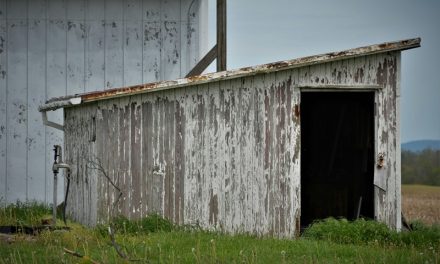
Garages, workshops, and garden buildings often receive less attention than the main house, even though they may contain some of the most valuable items on the property. Bicycles, power tools, camping equipment, and gardening machinery can all be attractive targets if they are left unsecured.
Check that garage doors lock properly and inspect side access doors for signs of wear. Older locks, damaged frames, or loose hinges are worth repairing before they become a bigger problem. If your garage is attached to your home, remember that it can provide another route inside if it is not properly secured.
Simple additions such as motion-activated lighting, stronger padlocks, or improved storage can make a noticeable difference. Keeping valuable equipment out of sight and avoiding clear views through garage windows also reduces temptation. Small improvements carried out over time help create a property that feels both well maintained and much harder to target.
Think About Long-Term Security
Home security should not be viewed as a one-off project. Locks wear out, doors settle, windows age, and family routines change over time.
Review your home’s security every year, particularly after moving house or completing renovation work. Many new homeowners forget that previous occupants, contractors, or tradespeople may still have copies of older keys. Replacing locks after moving in removes that uncertainty and gives you complete control over who has access.
Technology can also play a role, with smart doorbells, security cameras, and alarm systems offering additional reassurance. These devices work best when combined with strong physical security rather than replacing it.
Looking after your home is an ongoing process rather than a single task. Paying attention to the condition of your locks, doors, windows, lighting, and outdoor spaces helps create a property that feels welcoming while remaining well protected. Most improvements are straightforward to make and can be completed gradually over time. By combining sensible habits with reliable security measures and seeking professional advice when needed, you can create a home that offers greater confidence every time you lock the door behind you.