Off-Grid Power for Farm Sheds and Rural Workshops: What a Stand-Alone System Involves
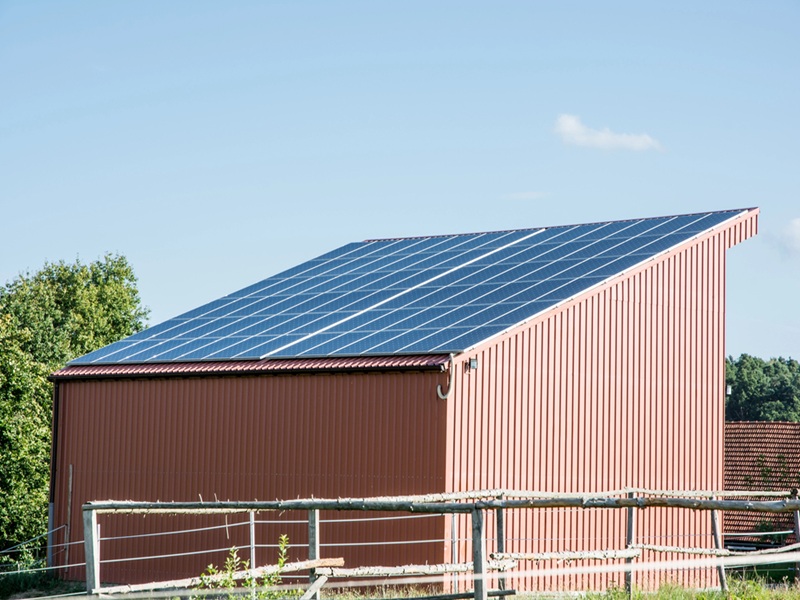
A shed at the far end of a rural block is often where the real work happens: welding, cutting, pumping water and charging the gear that keeps a property running. Getting reliable power to it is another matter. Running a cable from the house can cost more than the shed itself, and a generator that roars every time someone picks up a grinder gets old quickly.
This guide covers:
- When a grid connection stops making sense
- What a stand-alone power system includes
- Sizing power for workshop tools and equipment
- Temporary power for seasonal work
At a glance
There are three common ways to power a remote shed, and each suits a different situation. The right one depends on distance, how much power the shed needs and how often it is used. This comparison sets out the trade-offs.
| Factor | Grid connection | Stand-alone power system | Generator only |
|---|---|---|---|
| Upfront cost | Rises with distance from the supply | Moderate to high | Low |
| Running cost | Ongoing power bills | Low once installed | Fuel and servicing |
| Noise | None | Very little | Loud while running |
| Reliability | Depends on the network | Depends on design and battery size | Depends on fuel and upkeep |
| Best fit | Sheds close to existing supply | Remote sheds used regularly | Occasional, short jobs |
When a grid connection stops making sense
Distance is usually the deciding factor. The further a shed sits from the house or the nearest pole, the more trenching, cable and approvals a grid connection needs, and the cost climbs with every metre. On larger properties, that bill can outweigh the value of the shed.
Rocky ground and creek crossings add to it. For a workshop needing power for tools, lights and a pump, making power on site is often simpler.
What a stand-alone power system includes
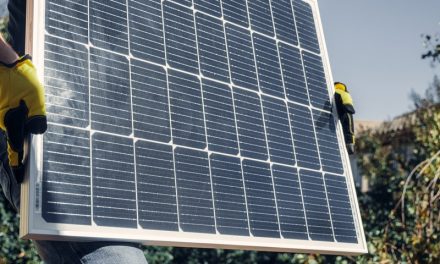
A stand-alone power system generates, stores and supplies electricity on site, with no connection to the grid. Solar panels charge a battery bank during the day, an inverter turns the stored energy into the 230-volt power tools expect, and many systems include a backup generator for long cloudy spells. Together they work like a small private power station sized to the shed.
The core components
Solar panels set how much energy comes in each day, while the battery sets how much the shed can use after dark or on a grey week. The inverter matters more than most people expect, because it decides which tools can run at once. Purpose-built stand alone power systems combine these parts in a single engineered design with monitoring, rather than a collection of components bought separately.
Backup generation
A backup generator turns a good system into a dependable one. It starts only when the batteries run low, so it runs for a fraction of the hours a generator-only setup would. That keeps fuel, noise and servicing down while protecting against the week of rain that drains the batteries.
Sizing power for workshop tools
Workshop loads are where shed systems most often fall short. A welder, a compressor or a large grinder can draw several times its running power for a moment as it starts, and an inverter that cannot handle that surge will trip. Sizing starts with a list of every tool, what it draws and which ones run together.
A practical tip: separate the loads that run all day, such as lights or a water pump, from heavy tools used in short bursts. The first group sets the battery size and the second sets the inverter size.
Have a licensed electrician design and install the system, and check which standards apply to your site before you buy, because requirements vary.
Temporary power for seasonal work
Not every shed needs permanent power all year. A shearing shed or harvest workshop may only need serious power for a few weeks at a time. That makes a fixed system hard to justify.
For jobs like these, a towable solar battery trailer can serve as a quieter alternative to a diesel generator, delivering power where it is needed and moving on when the work is done. It suits properties with several sheds or work sites that each need power at different times of the year.
Off-grid shed power: the bottom line
A remote shed does not have to rely on a long cable or a noisy generator. A well-designed stand-alone system runs tools, lights and pumps reliably. A backup generator covers the rare long stretch of bad weather.
Key Takeaways
- Price the grid connection first, because distance can make it the most expensive option.
- Size the battery for all-day loads and the inverter for the heaviest tools you run together.
- Consider a towable solar trailer for power needed only a few weeks a year.
Frequently Asked Questions
What is a stand-alone power system?
A stand-alone power system produces, stores and supplies electricity on site without a grid connection. It usually combines solar panels, a battery bank, an inverter and often a backup generator, all designed to work together for a home, shed or remote site.
Can a stand-alone system run a welder?
It can, if the inverter is sized for the welder’s starting surge and the battery can supply the load for the length of the job. Heavy tools are the most common reason shed systems trip, so list them early and size the inverter around them.
How big a battery does a shed need?
It depends on what runs and for how long. Add up the daily energy use of the loads that run all day, then allow enough storage to cover the cloudiest stretch you expect. A designer can turn that load list into a battery size.
Do I need a backup generator with solar?
Not always, but it adds a safety net for long cloudy spells or unexpected load growth. Because it only runs when the batteries are low, it uses far less fuel than relying on a generator alone.
Is off-grid power cheaper than connecting to the grid?
For sheds far from existing supply, it often is, because a grid connection’s cost climbs with distance. For a shed close to the house, a connection is usually cheaper. Get a quote for both before deciding.
Can I move an off-grid system later?
Fixed systems can be relocated, but it takes work. If a site’s power needs will change often, a towable solar trailer is designed to be moved between locations as the work shifts.