How to Use a Generator to Power Your Shed
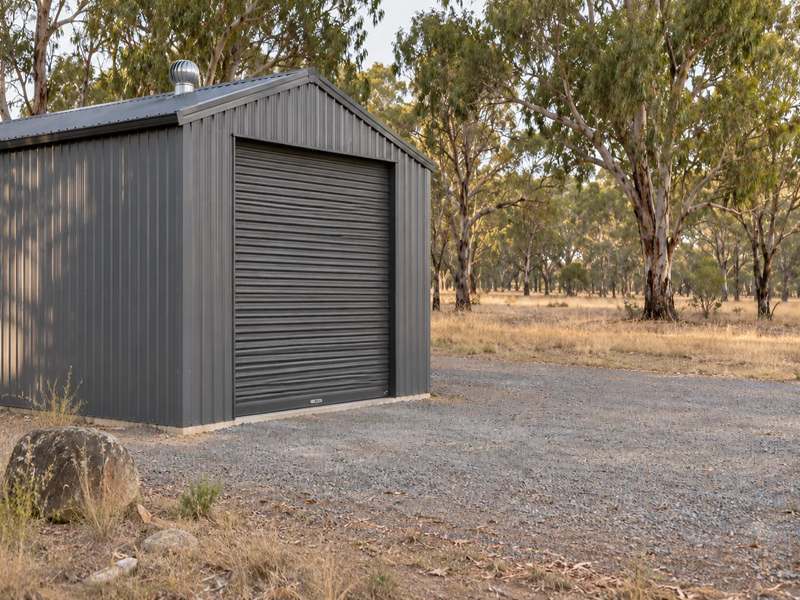
No mains power out at the shed? If all you need is a drill, a work light or another plug-in tool, a portable generator will do the job. Set it up outside and run an outdoor-rated lead to whatever you’re using. It’s a different story if you want the shed’s own lights and wall sockets to work. For that, get a licensed electrician to look at the wiring and fit a proper generator connection.
Before you pick a generator, think about everything you’ll have running at once. That means the light you leave on while you work, plus anything that kicks in on its own, like a fridge or an air compressor. Look up what each item draws while it’s running and how much extra it needs to start. Those numbers will tell you far more about what’ll work in your shed than the big maximum output figure on the generator box. Below are the 5 key steps you need to consider when choosing the right generator
1. Work out what you actually need to power
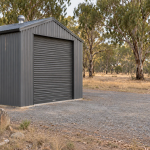
For the odd job here and there, plugging tools straight into the generator is usually the easiest way to go. Say you’ve got a shed down the back of a rural block. You might only need a work light and a drill for a few hours at a time. Wheel the generator out, get the job done and put it away again.
If your shed already has fixed lights and power points, talk to a licensed electrician before you buy anything. Ask them which circuits the generator can supply and what needs to stay switched off while you’re running on it. If the shed’s connected to mains power, you’ll need a proper changeover setup that keeps the generator supply separate from the grid. And never plug a generator into a wall socket to power up the shed wiring. Electricity can feed back into the network and put other people at risk. WA Government guidance on safe generator use.
2. Size the generator to suit how you work
You’ll find each tool’s electrical input on its nameplate or in the manual. Next, figure out which tools might run at the same time. If you use a drill and a circular saw one after the other, they can share the same capacity. But if you run a saw and a dust extractor together, you need to count both.
Here’s an example. You’re cutting shelving in a shed with no mains supply. The circular saw draws 1,400 W while it’s running, the dust extractor draws 800 W and the work light draws 40 W. Add them up and you’ve got 2,240 W of running load. Your generator needs enough continuous output to handle all three, plus enough short-burst capacity to start the saw while the extractor and light are already going. These are just example figures, so check your own tools’ manuals, especially for how much power the motors need at start-up.
When you’re comparing portable generators, look at three things: the continuous output, the short-duration rating and the rating of the outlet you’ll plug into. The total output is often shared across several outlets, so make sure the one you’re using can supply what you need. If you’re mainly buying the generator for a compressor, welder or other heavy-duty machine, ask the manufacturer what size generator and type of supply they recommend. Depending on the size of your power requirements it may be a better option to purchase a larger diesel generator, which will be less portable but offer greater power output.
3. Set the generator up outside
Find a flat, dry spot in the open, well away from doors, windows and vents where exhaust fumes could drift into the shed or nearby buildings. Keep it outside even if your shed has a roller door you can leave open. Generator exhaust contains carbon monoxide, and you can’t see it or smell it. If it starts raining and you can’t keep the generator dry while still giving it plenty of fresh air, hold off until the weather clears. For a more in-depth safety guide please see the Queensland Electrical Safety Office generator guidance.
For plug-in tools, use a heavy-duty, outdoor-rated extension lead that’s in good condition and rated for the load you’re running. Lay it where nobody will trip over it, cars won’t drive over it, and the shed door won’t pinch it. When it’s time to refuel, switch the generator off and let it cool down first.
4. Start with only the tools you need
Follow the start-up and shutdown steps in your generator’s manual. On the shelving job, you’d switch on the light and dust extractor first, then start the saw when you’re ready to cut, following each tool’s instructions. Keep any other big loads off unless you’ve already allowed for them. If you’ve got a compressor in the workshop, keep in mind it can kick back on when the tank pressure drops, even while you’re using something else.
If the generator trips when you start a tool, switch everything off. Then check the combined load, the outlet rating and how much power the tool needs to start before you try again. If it keeps tripping and the load looks like it’s within the ratings, get the setup checked before you carry on.
5. Think about how often you’ll use the shed
A lot of people want a cold drink on hand while they work, and there’s no reason a fridge can’t share the generator with your tools. The catch is that the generator and its outlets must handle everything’s running and start-up load together. A fridge can switch itself on halfway through a cut, so count its compressor in your calculations, even if it’s sitting quiet when you start work.
It’s also worth thinking about how much you’ll actually use the shed. A portable generator is a good fit for a remote shed where you do jobs now and then, or for gear that only needs power in short bursts. If you’re out there every day, though, the fuel, noise, servicing and setting up each time start to add up. When the shed mostly needs lights and somewhere to charge batteries, a small battery and solar setup might be all you need. And if you’re regularly running several big machines, get a quote for a permanent power supply before you commit to a generator.
Before you buy, jot down the biggest job you’re likely to tackle in the shed and every tool that’ll be running while you do it. Don’t forget anything that might switch on by itself. That’s the load you need to size your generator for.