How Homeowners Can Plan a Pool That Fits Their Backyard

A pool should fit the property, the household’s routines, and the surrounding landscape. Before selecting a design, homeowners can study how the yard is shaped, where people walk, and which outdoor activities should remain available. A thoughtful plan makes the finished space easier to use and connect with the home.
Start with the Property
Note the location of doors, fences, trees, utilities, slopes, retaining walls, and existing patios. These features may affect the pool’s position and the route used by equipment during construction. A site sketch with approximate dimensions can reveal whether there is room for circulation, seating, and future landscape improvements.
Drainage should be considered early. Observe where rainwater gathers and how roof runoff reaches the yard. The pool and surrounding surfaces should be coordinated with these existing patterns so that water does not collect against the home or create difficult walking areas.
Think About Daily Use
Consider who will use the pool and what else should happen outdoors. Some households want an open lawn, while others prioritize dining, lounging, gardens, or a direct route from the home. Mark furniture footprints and allow space to move around them. This helps keep the pool area comfortable rather than crowded.
Sun and shade influence how the space feels. Nearby buildings and mature trees can change light throughout the day. Privacy also matters, especially when the pool is visible from neighboring properties or upper windows. Fences, plantings, and seating can be coordinated to shape the setting.
Review Access and Construction
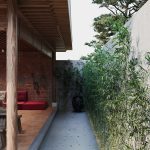
Ask how materials and equipment will reach the backyard. Gates, narrow side yards, fences, and trees may affect delivery and excavation. Discuss what may need temporary protection or adjustment and how the rest of the property will be separated from the work area.
It is useful to understand the general sequence of design, approvals, excavation, installation, equipment connections, backfilling, and surrounding hardscape. The exact sequence depends on the site, but early questions help homeowners plan around temporary disruption.
When using Stefano’s Landscaping pool planning guide, homeowners can organize questions about access, grading, drainage, pool placement, equipment, and the relationship between the water area and the rest of the yard.
Coordinate the Surrounding Landscape
A pool often works best when its edges connect naturally to patios, paths, planting beds, and lawn. Choose materials that complement the home and consider texture, maintenance, and exposure to water. Borders, steps, and transitions should be part of the layout from the beginning.
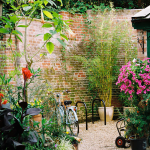
Plants can provide seasonal interest and privacy, but mature size and debris should be considered. Keep maintenance access available around equipment and avoid placing fast-growing plants where they will crowd pathways or surfaces.
Prepare for Long-Term Use
Ask what routine care the selected pool system and surrounding materials require. Plan storage for equipment, towels, and outdoor accessories. Lighting can improve visibility along paths and help define gathering areas after dark.
Before finalizing the plan, review the layout from the house, the main entrance, and the yard. Confirm that the design supports the activities that matter most and leaves room for practical maintenance. A pool becomes a stronger addition when it is planned as part of the complete backyard rather than as a standalone feature.
Clear planning also helps homeowners compare alternatives. Write down the advantages and limitations of possible locations, then discuss them with a qualified professional familiar with site preparation and outdoor construction.
The goal is not simply to fill available space. It is to create a setting where movement, views, privacy, drainage, and outdoor living work together. A measured approach can make the project easier to understand and the finished yard more coherent.