What Snow Load, Wind, and Anchoring Mean for a Steel Storage Building
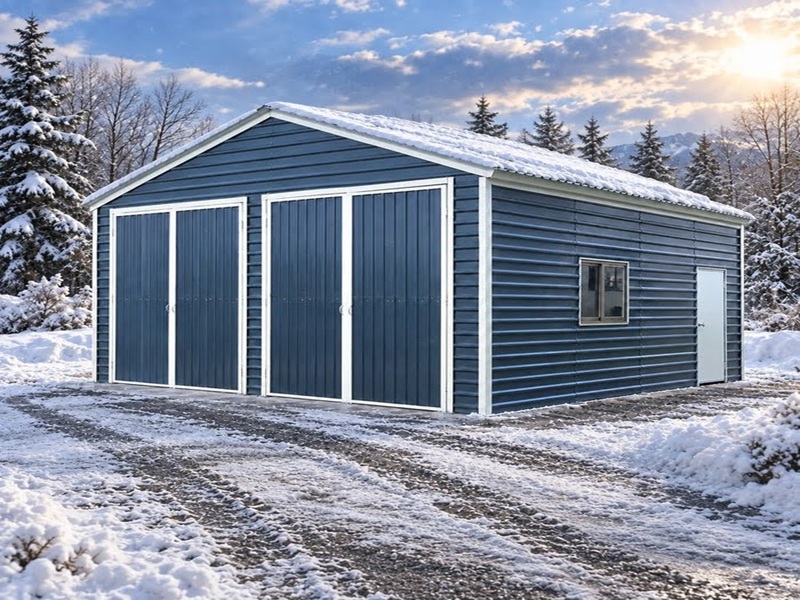
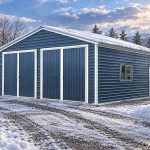
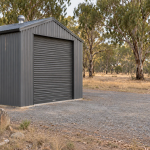
Before the first heavy snowfall, owners of boats, trucks, trailers, and farm equipment across Canada start asking where it will all spend the winter. A steel storage building is a common answer, and a metal garage shed of generous size is among the simplest versions: a galvanized frame, metal sheets, and big doors. Whether it lasts depends on three things that are easy to overlook, namely how much snow the roof is designed to carry, how well the structure resists wind, and how firmly it is tied to the ground.
What the Snow Rating Tells You
Snow load is the weight of snow resting on a roof, measured as pressure in pounds per square foot rather than as a depth in inches. Light powder is mostly air, while wet snow or snow soaked by rain can weigh several times as much for the same depth. A rating tells you the pressure the roof was engineered to carry, so it is a design limit, not an invitation to let snow pile up.
Building codes publish ground snow values for communities across the country, and a structure should be matched to the place where it will stand. A shed built for a mild region may not suit one that gets lake-effect storms, so check the local value before buying.
Why Roof Shape Matters
A sloped gable roof, which is two surfaces meeting at a peak, sheds snow and rain more readily than a flat one. Gravity pulls the snow downhill as the sun warms the metal, much like an avalanche in miniature, and the load is lighter than if everything stayed in place. Metal sheets are smooth and help the snow slide. That sliding snow lands beside the walls, so leave clear space along the sides, and avoid parking a vehicle where a sudden slide could hit it.
Wind Loads Work Differently
Wind pushes sideways on the walls, but it also lifts the roof as air flows over it, a force engineers call uplift. A lightweight steel shed is a large, light box, and gusts can pull it from its base if the anchors are weak. Wind ratings are given as speeds in kilometers per hour, and they too are design limits for a correctly installed building, not guarantees for a poorly anchored one.
Anchoring and the Foundation
Even a strong frame fails if it is not fixed to something solid. A steel storage building should be anchored through its base to a level concrete slab or a well-built wooden foundation, using sleeve anchor bolts that grip the material rather than simply resting in it. The ground beneath should drain away from the base, since pooled water speeds rust and heaves the soil in winter frost. A foundation that is out of level shows up later as doors that rub and gaps at the corners, so measure the surface before the frame goes up.
Protecting Steel from Rust and Salt
Steel protects itself best when it is coated. Electro-galvanizing places a thin layer of zinc on the sheet, and polyester paint adds a second barrier against moisture. Wherever a scratch exposes bare metal, touch-up paint stops rust from spreading under the coating. Salt from winter roads is especially hard on steel, so rinsing the lower panels in spring is a simple habit that extends life. Keep soil, mulch, and plants away from the bottom edge, because constant dampness there is where rust starts first, and make sure runoff does not discharge against a wall.
Doors, Windows, and Airflow
Large swinging doors allow vehicles and equipment to drive in, and a side entry door spares the effort of opening both leaves for a quick visit. A window brings natural light inside, which makes a working shed much more pleasant. Louvered vents at the ends let air move through the building and help limit condensation, the moisture that forms when warm air meets cold metal and then drips onto tools. Plan the door swing for winter. A drift against a door can hold it shut, so choose the side with less drifting for the main entrance when possible.
Planning the Interior
Think about the layout before the first shelf goes in:
- What is the largest item to be stored
- Where will heavy shelving sit
- How wide a path will vehicles need
- Which tools are used all winter
Keeping heavy items near the center of the floor and light items on high shelves keeps the structure balanced, and a clear aisle through the middle lets vehicles enter and leave without scraping. Leave some wall space free for a workbench, since a covered, wind-free place to work in winter is often the surprise benefit of owning a building like this.
Using the Building as a Winter Workshop
Many owners end up doing more than storage inside. Mechanical repairs, woodworking, and equipment maintenance all benefit from shelter from wind and snow, and a building this size is large enough for a small bench and a vehicle. Metal conducts cold, though, so insulation, a sealed door, and careful use of heaters matter. Any heater needs fresh air and clearance from stored fuel, and carbon monoxide from fuel-burning heaters can gather in a closed building, so ventilation is not optional.
Permits, Drawings, and Local Rules
Many municipalities require a building permit for a structure of this size, and some require engineering drawings stamped by a licensed structural engineer showing that the design suits the local snow and wind values. Setback rules limit how close the building may stand to a property line, and rules about utilities, drainage, and fire access vary between towns. A short call to the local building office before ordering is far cheaper than moving a finished shed.
Habits for the Winter Months
A metal garage shed asks very little once it is up. After a heavy snowfall, clear the roof edges and any drifts against the doors from the ground, not from a ladder, using a roof rake with a long handle. Keep the vents open, check the door hinges for ice, and sweep melt water away from the base. Walking the building once a month for loose bolts, rust spots, and sagging door seals catches small problems before they become expensive ones.
Owners who plan for snow, wind, and anchoring together usually find that a steel building does the quiet work of protecting equipment season after season. The work that decides the result happens before the first panel arrives: reading the local snow value, preparing a level base, and choosing the door side with the least drifting.