How Infrared Heat Warms the Body Differently from Steam in an Indoor Infrared Sauna
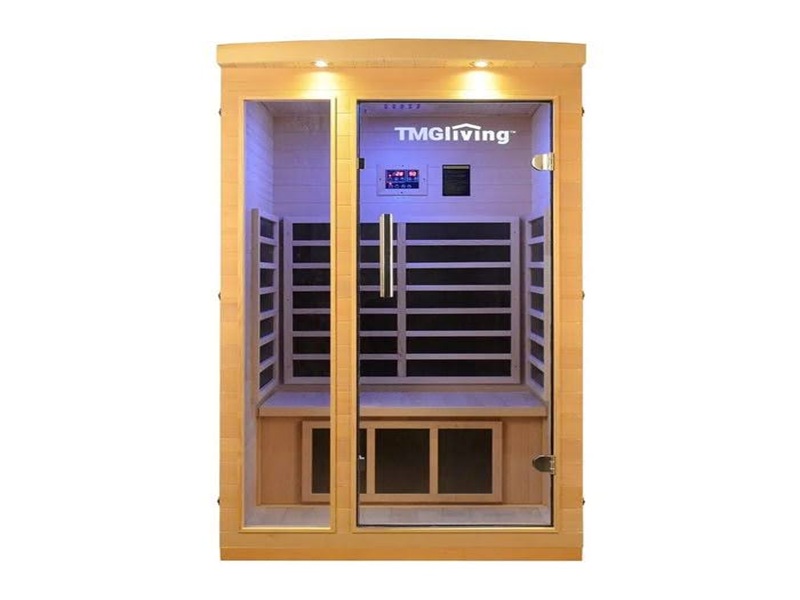
As the days shorten across the United States, many households look for ways to stay warm and comfortable indoors, and a home sauna is one of the more popular ideas. An infrared sauna room works on a different principle from the steam rooms and hot-rock saunas most people picture, and understanding that difference helps in judging what an indoor infrared sauna needs from a house. This guide explains the heating method, the space and wiring involved, and the habits that keep sessions comfortable.
Two Ways to Heat a Small Room
A traditional sauna warms the air. A stove heats rocks or a coil, the air in the cabin climbs to a high temperature, and the body warms from the outside as it absorbs heat from that hot air. An infrared cabin takes a different path. Its heaters send out radiant energy that is absorbed directly by the skin and nearby surfaces, so the air itself does not need to get as hot. The comparison is standing in winter sunshine versus standing in a hot room: the sun warms you even when the air is cold.
What Far Infrared Means
Infrared is a part of the light spectrum that people feel as warmth rather than see. It is divided into near, mid, and far bands, based on wavelength, which is the distance between the peaks of the wave. A far infrared sauna uses the longest wavelengths of the three, which are absorbed mostly at the surface. Ceramic or carbon panels on the cabin walls produce this energy, and the radiant warmth is felt soon after they switch on, with no need to wait for a stove to heat a room of rocks.
Why the Air Temperature Is Lower
Because the heat arrives as radiation, an infrared cabin typically runs at a lower air temperature than a traditional sauna, and many people find that easier to tolerate for longer. The cabin also tends to be dry, since there is no water poured over hot stones. Anyone who prefers a humid, steamy environment will find the experience different and should think about whether a radiant dry heat matches what they want.
Choosing a Spot in the Home
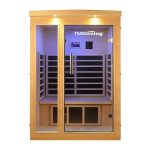
An indoor infrared sauna is designed for use inside, but the spot still matters. Pick a dry, level floor away from damp areas such as a laundry or a shower, because moisture is hard on both wood and electronics. Leave a gap around the cabin for air to move, and keep it away from curtains and furniture. A basement room, a spare bedroom, or a corner of a finished garage can all work, provided the doorway and ceiling are large enough to bring the panels in.
Warm-Up Time and Energy Use
A cabin that heats the body directly usually reaches a comfortable condition in a short time, often less than traditional saunas that must heat a large mass of air and rocks first. Preheating for ten or fifteen minutes is common, though the manual gives the right figure. The cabin draws power the whole time it is on, so shorter sessions and switching it off promptly keep electricity use modest. A timer or an automatic shutoff is a useful feature, because it prevents a heater from running after a session is forgotten.
Electrical Needs
Electric heaters draw a steady load, and the circuit has to be sized for it. Many cabins are meant to plug into a standard household outlet, but a dedicated circuit, one that serves only the sauna, avoids tripping a breaker when other appliances run. If the outlet is far away, do not use a thin extension cord, because it can overheat. A licensed electrician can confirm the wiring and add a circuit if needed.
Wood, Glass, and Surfaces
Softwoods such as hemlock, cedar, and spruce are popular because they stay comfortable to touch at warm temperatures and resist warping. A tempered glass door, which is treated to resist breaking and to crumble into small pieces if it does, lets light in and makes the cabin feel less closed. Wipe the benches with a damp cloth after use, and avoid oils and strong cleaners that can leave residue on warm wood.
Safe Habits for Sessions
A few simple habits help:
- Drink water before and after each session
- Start with short sessions and add time slowly
- Leave the cabin if you feel dizzy or unwell
- Never use alcohol before or during a session
A sauna is a place to relax, but heat is still stress on the body. People with heart conditions, low blood pressure, or pregnancy, and anyone taking medication, should ask a doctor before using a sauna. Children should not be left unattended in a cabin.
Cleaning and Care
A little regular care keeps a cabin pleasant. Place a towel on the bench, wipe sweat from the surfaces afterward, and leave the door open for a short time so moisture can leave. Vacuum the floor and check the glass for streaks. Panels should never be covered or leaned on, and the manufacturer’s care guide explains how to handle them.
How the Cabin Is Put Together
Most cabins ship as flat panels that lock together with simple hardware, so a home assembly usually takes a couple of people and a few hours. The panels carry the wiring, and the control panel connects to them with plug-in cables, so no wiring is exposed. Before lifting panels into place, check for shipping damage and lay out the pieces by label. A level floor matters here, because panels that sit out of square leave gaps at the door and make the cabin harder to heat.
Is a One Person Cabin Enough?
A cabin for one or two people takes up much less floor space than a larger unit, heats faster, and costs less to run. Someone who plans to use it alone and wants to keep the footprint small may find a one person sauna the practical choice. A household that wants to share a session will want more room, and it is worth measuring the space and imagining how it will feel with two people sitting at once.
Planning Before Delivery
A short checklist avoids surprises on delivery day:
- Measure the doorway, stairs, and turns
- Confirm the outlet and circuit capacity
- Clear a flat floor with room to walk around
- Plan where towels and water will be kept
Taking a few minutes to plan the location and the power supply makes assembly simpler and helps the sauna become a regular part of the winter routine. An indoor infrared sauna is easiest to enjoy when the room around it is comfortable, so think about lighting, a place to sit afterward, and a shelf for water and towels.