How Many Solar Panels Are Needed to Power a House in Perth?
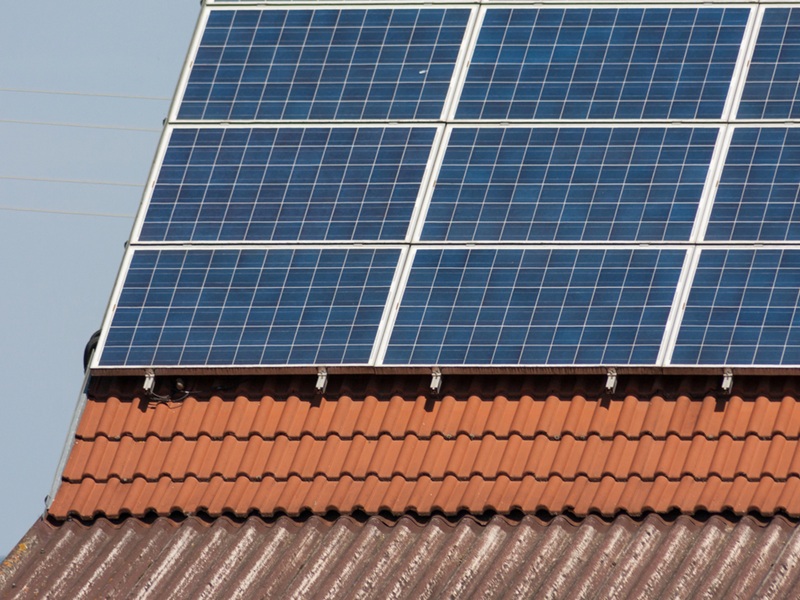
Installing solar panels is one of the most practical ways for Perth homeowners to reduce their electricity bills. With plenty of sunshine year-round, Western Australia offers favourable conditions for residential solar generation. However, one of the first questions homeowners usually ask is: How many solar panels do I actually need to power my house?
The answer depends on more than the size of the roof. Household electricity consumption, the number of people living in the property, daily appliance usage, panel capacity, and available roof space all play important roles.
For some households, a 6.6 kW solar system may be sufficient. Others with higher electricity consumption may need a 10-kW or larger system to meet their energy needs.
Understanding these factors before installing solar panels can help homeowners choose a system that suits their property without overspending.
Let’s look at how many solar panels different Perth households may need and what to consider before making a decision.
1. How Many Solar Panels Does an Average Perth Home Need?
The number of solar panels in Perth homes required depends mainly on how much electricity a household uses each day.
A smaller household with fewer electrical appliances will generally need a smaller solar system than a larger family using multiple air conditioners, electric cooking appliances, pool pumps and other high-energy equipment.
Most modern residential solar panels available in Australia have a capacity of approximately 440W-475W per panel. Using these panel capacities, we can estimate how many panels are needed for different system sizes.
| Solar System | Number of panels ( 440 W) | Number of panels ( 475 W) |
| 6.6 KW | 15 | 14 |
| 7.7 Kw | 18 | 17 |
| 10 KW | 23 | 22 |
| 13.2 kw | 30 | 28 |
Note: This number is an estimate; the actual number may vary depending on your roof type and location. In Perth, a 6.6 kW solar system is commonly installed.
2. How Much Electricity Does Your Home Use?
Before considering the size of a solar system, you need to know how much electricity your home uses each day. Check your electricity bills to understand your electricity usage in kilowatt-hours.
For example, a household using 20 kWh per day has different solar requirements from one using 35 kWh per day.
If your property also includes a powered shed or workshop, remember to account for the electricity used by its lighting, tools and other equipment. Learn about the electrical requirements for powering a shed.
Here is a general illustration of how household consumption can influence system selection:
| Household type | Estimated daily usage | Possible solar system |
| Small household | 20–25kWh | 6.6 KW |
| Medium household | 25-30Kwh | 7.7 KW |
| Large household | 30-40kwh | 10 kw |
| High-energy household | 40-50kwh | 13.2kw |
Note: Actual energy consumption and generation depend on your system, energy use, and location.
3. How Much Electricity Can Solar Panels Generate in Perth?
Perth receives ample sunshine year-round, making it a good location for installing solar panels to help residents save on electricity bills.
| Solar system size | Daily Usage |
| 6.6 kw | 26 to 29 kWh |
| 7.7 kw | 27 to 34 kWh |
| 10 kw | 38 to 48 kWh |
| 13.2 kw | 50 to 60 kWh |
Note: Generation figures are indicative daily averages. Actual results will vary with installation conditions. However, generating enough electricity over the day does not necessarily mean your home will be completely powered by solar. The timing of electricity production and household consumption also matters.
4. What Factors Determine the Number of Solar Panels You Need?
Two houses with similar floor areas may have very different electricity requirements. This is why choosing a solar system based solely on your property’s size is not always the best approach.
Here are some important factors to consider.
Household Size and Number of Occupants
The number of people living in your home can influence electricity consumption.
A couple living in a two-bedroom property may use less electricity than a family of five living in a larger home. More occupants generally mean greater use of lighting, kitchen appliances, hot water and air conditioning.
However, household size alone does not determine the required solar capacity. Daily habits and appliance usage also make a difference.
Air Conditioning and Cooling Requirements
Air conditioning is one of the most important electricity loads for many Perth households, particularly during summer.
Homes with ducted air conditioning may consume considerably more electricity than properties using smaller split-system units.
If your household regularly runs air conditioning during the afternoon, a suitably sized solar system can help cover some of that electricity demand while the sun is shining.
Pool Pumps and Other Large Appliances
A swimming pool, electric hot-water system, dishwasher, clothes dryer, and other high-consumption appliances can increase daily electricity usage.
These appliances should be considered when determining the appropriate size of the solar system.
Roof Direction, Shading and Available Space
Your roof also plays an important role in determining how many panels can be installed.
North-facing panels generally receive strong sunlight throughout the day in Perth. East-facing panels can produce more electricity in the morning, while west-facing panels can help meet afternoon energy demand.
Trees, neighbouring buildings, chimneys and other roof structures may create shade and affect solar generation.
Conclusion: To install the right solar system for your property in Perth, contact an SAA-accredited solar installer with a strong online presence to get quality solar panels within your budget, with ongoing support.