How Fabric, Frame, and Airflow Make a Car Shade Work in an Australian Summer
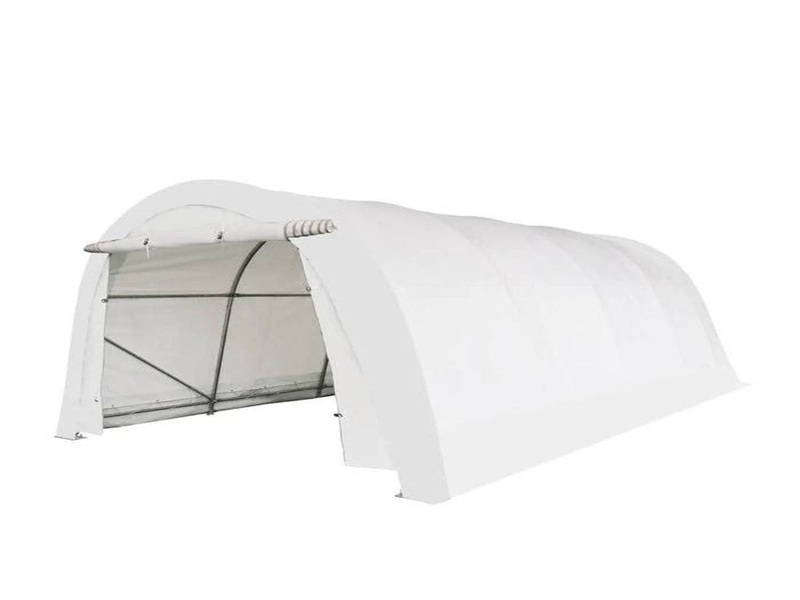
By the start of summer, a car left in the open can reach an interior temperature that damages the dashboard, cracks the seals, and makes the first drive of the day unbearable. A car shelter with a steel frame and a tough fabric roof gives a vehicle shade without the cost of a permanent garage, and it suits farms, workshops, and driveways alike. Understanding how a car shade is built and what it needs from the site helps owners choose well and set it up so it lasts.
Why Shade Matters in Australia
Ultraviolet light fades paint, dries out rubber, and breaks down plastic trim, and the heat trapped inside a parked car stresses everything from the battery to the tyres. A roof overhead blocks direct sun and cuts the temperature inside the vehicle significantly. It also protects the paint from hail, bird droppings, and falling sap, which are all common on a rural property or under a gum tree.
How a Fabric Shelter Is Built
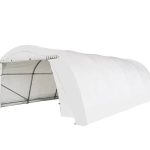
A car shade of this type is a series of steel arches or poles joined by horizontal rails, covered with a woven plastic fabric stretched over the frame. The frame is galvanised steel, meaning it is coated in zinc to resist rust, and the fabric is usually polyethylene with ripstop weaving, a pattern of thicker threads that stops a small tear from running. The structure is light enough to assemble with two or three people.
The Rounded Roof
A rounded roof sheds rain, hail, and leaves, and it does not form a flat surface where water can pool. The curve also lets wind slide over the top rather than catching on a hard edge. A taller peak gives room for a ute, a four-wheel drive, or a small trailer, so check the vehicle’s height with the roof racks and any aerials before choosing.
Choosing the Right Site
Pick a level, well-drained spot with a firm surface such as concrete, compacted gravel, or pavers. Avoid low ground where water collects and avoid placing the shelter directly under large branches that may fall in a storm. Leave enough space around the vehicle to open the doors fully, and plan an entry that does not require a tight turn.
Anchoring Against Wind
A fabric roof acts like a sail in a strong gust, so anchoring is the most important part of setup. On soil, long steel stakes driven in at an angle hold well, and on concrete, bolts or heavy weights are needed. Anchor every leg and check the fixings after the first storm, because ground that dries out and shrinks in summer can loosen stakes. In cyclone-prone regions, follow local guidance and take the cover down when a warning is issued.
Choosing the Size for Your Vehicles
Measure the longest and tallest vehicle before ordering, and add a margin for opening doors and walking around. A shelter about six metres long suits most cars, utes, and small four-wheel drives, though a long dual-cab with a canopy or a trailer may need more. If two vehicles will share the space, check that the width allows both to open doors without touching the legs. Leave a gap at the front for a driver to see what is ahead.
Hail, Storms, and Wind Ratings
Summer storms bring hail and gusty winds, and a fabric roof is not as strong as a solid one. A rounded roof sheds hail better than a flat one, but heavy hail can still tear fabric. Keep a record of the manufacturer’s wind guidance, and treat it as a limit, not a promise. If a severe storm warning is issued, move vehicles into a garage or take the cover off if it can be done safely.
Airflow and Heat
A shade cools a car best when air can move beneath it. Leave the ends open so a breeze can pass through, and avoid enclosing the sides unless the weather demands it. Closed-in fabric can trap hot air and moisture, which is bad for both the vehicle and the cover. A light coloured cover reflects more heat than a dark one.
Assembly Step by Step
Lay out the parts and read the instructions first. Assemble the frame on level ground, join the arches to the rails, and check that every bolt is tight. Pull the cover over the frame from one end, working with helpers so the fabric does not snag, and fasten it with the ties or clamps provided. Fix the anchors before the cover is fully tightened, since a loose structure can catch the wind while it is being built.
Permanent or Movable Cover?
A carport has a permanent roof on posts and usually needs approval and footings, while a fabric car shelter can be put up quickly and moved later. For a rural property or a rental, a movable structure is often more practical. A carport suits owners who want a lasting structure attached to the house, and the choice depends on budget, rules, and how long the vehicle will be parked there.
Fire Safety
In a bushfire-prone area, a fabric structure is not a fire shelter and should be kept well away from dry grass, leaf litter, and buildings. Keep a clear area around it and do not store fuel, gas bottles, or chemicals under the roof. Check with the local fire authority for rules on structures and stored materials.
Council Rules
Many councils allow a small, light shelter without a building approval, but there are limits on size, height, and distance from boundaries, and the rules differ between states. A short call to the council before ordering avoids a costly mistake.
Keeping the Cover in Good Condition
Hose bird droppings and dust off the roof, since they stain the fabric and can hold moisture against it. Check the frame for rust where the coating is scratched and touch up with paint. After a storm, look for loose stakes, slack fabric, and small tears. Fabric exposed to years of sun will fade and weaken, so replace it before it fails.
Habits Around a Fabric Shelter
A few habits matter every time:
- Never park a vehicle underneath in a forecast gale
- Keep the area clear of fuel and flammables
- Check anchors regularly during summer
- Do not climb on the roof
Uses Beyond the Car
A shelter this size also protects a trailer, a boat, a quad bike, or a stack of firewood. Many owners use the space for a workshop bench or a play area in the shade. A car shade that is well anchored, ventilated, and looked after will serve a household through many summers, and owners who plan outdoor storage often look at the wider range of equipment for farms and workshops so that every vehicle and tool has its place.