Transportable Homes: Flexible Living for Modern Families
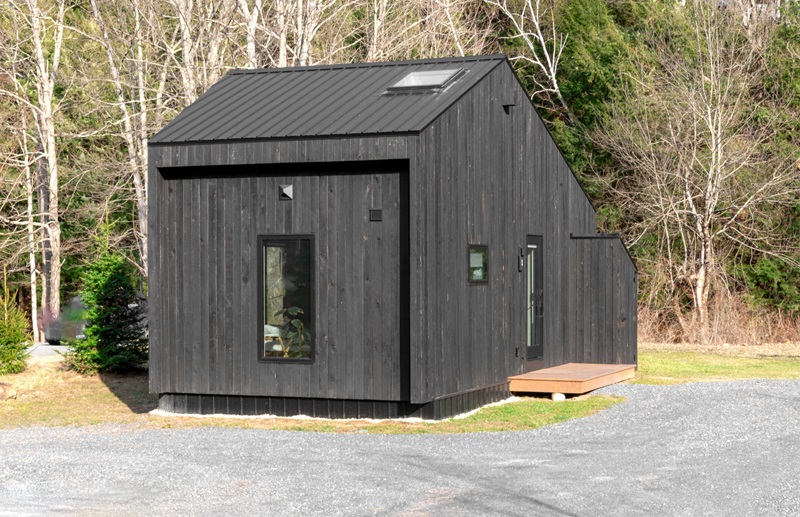
Housing used to follow a fixed script. Buy a home, stay put, and adjust life around it. That script feels outdated for many families today. Rising costs and shifting routines have pushed people to rethink where and how they live.
Transportable homes offer a different path, one that bends with life instead of resisting it. Keep reading to see how flexible housing fits modern family life in practical ways.
Changing Family Needs
Family life rarely stands still. A new job, a growing child, or a parent needing care can shift priorities overnight. Moving a structure instead of leaving it behind can soften those disruptions.
Mobile modular homes allow families to stay rooted while still adapting. A household can relocate closer to schools or healthcare without selling property. That continuity helps children adjust and keeps routines intact.
Some families even move seasonally to match work cycles. This approach suits freelancers or remote workers who prefer variety without losing stability at home.
Reading reputable blogs gives families a clearer picture of how flexible housing works in daily life. Many guides on transportable homes explain practical benefits without exaggeration, helping families set realistic expectations. Trusted advice also shows how to stay comfortable and efficient when living in smaller spaces.
Smarter Land Use
Land ownership often blocks people from flexible living. Transportable homes open other options, such as leasing land or sharing family property. That change lowers the barrier to entry for many households.
Unused plots in rural areas gain new value through short-term occupancy on a building site. Families can live near nature without long-term commitments. It also reduces pressure on crowded urban housing markets.
Some communities now explore rotating land use. Different households occupy the same living space at different times of the year. That model challenges how people think about ownership and permanence.
Design for Mobility
Design choices shape how well a home travels. Builders focus on balance, strength, and ease of assembly during the construction process. Every detail must hold up during transport.
Inside, space works harder. Furniture folds, stacks, or serves more than one purpose. Storage hides in plain sight, often built into walls or floors.
Expandable sections add another layer of flexibility seen in prefab homes. A home can grow when needed, then shrink for easier movement. Transportable tiny homes rely on this adaptability to remain practical for families.
Climate Adaptability
Weather patterns have grown less predictable. Some regions face flooding, while others deal with heat or drought. Mobility offers a direct response to these changes.
Transportable homes allow families to move away from risk zones. Instead of rebuilding after damage, relocation becomes an option. That shift changes how people plan for safety.
Certain designs include adjustable insulation or modular roofing, common in portable steel buildings. These features suit different climates without major renovation. A home can have proper heating and cooling and adapt to its surroundings instead of fighting them.
Financial Flexibility
Owning a house often ties finances to one location. Transportable modular homes separate the structure from the land. That separation creates new financial strategies.
Families can invest in a well-built home without paying high urban land prices under clear building codes. Monthly costs may stay lower, especially when land is leased. Repairs also tend to cost less due to standardized parts.
The resale market still develops, though interest continues to grow. Younger buyers often look for homes that match their mobility and budget needs.
Community Possibilities
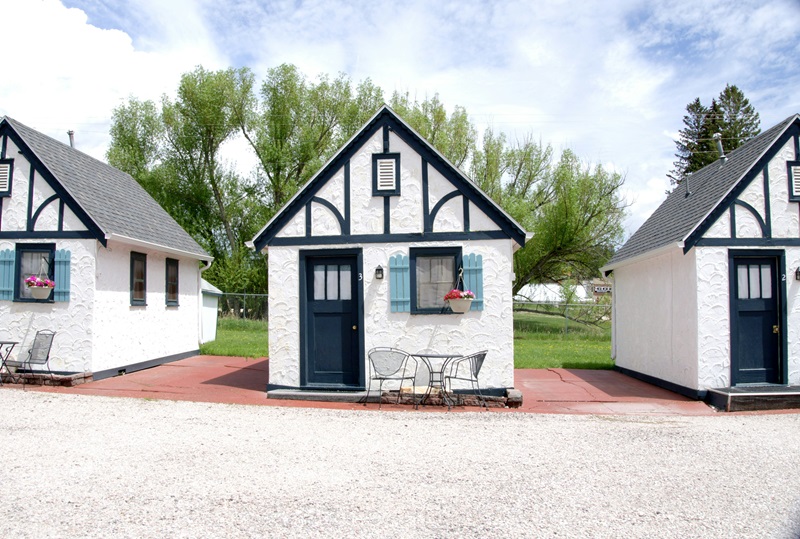
Flexible housing changes how communities form. Families can gather based on shared goals rather than fixed addresses. That approach encourages intentional living.
Small clusters may form around childcare support or remote work using relocatable buildings. These groups can relocate together when needed. Social ties remain strong without long-term contracts.
Pop-up neighborhoods have started to appear in some areas. They serve seasonal work or temporary projects similar to summer houses. Transportable homes make these setups possible without heavy infrastructure.
Legal Considerations
Mobility introduces legal questions that traditional housing avoids. Placement rules vary across regions under zoning laws, and permits often differ. Careful research helps avoid costly mistakes.
Some areas classify these homes as temporary structures. That label affects taxes and access to utilities. Insurance coverage may also depend on how the home is used within building regulations.
Transport rules matter as well. Road limits, escort requirements, and safety checks can influence relocation plans. Transportable modular homes demand attention to these details before any move and may require planning permission.
Technology Integration
Modern housing includes more than walls and a roof. Technology now supports mobility and independence. Many transportable tiny homes include systems designed for off-grid living through off-site construction methods.
Solar panels, water storage, and compact waste solutions reduce reliance on local infrastructure. This setup allows families to settle in remote areas with fewer concerns.
Reliable internet remains essential for work and education. Designers often build connectivity into the structure itself, especially in prefabricated homes. Some homes even feature automated leveling systems for faster setup.
Emotional and Social Impact
Mobile homes change how people view stability. Children may grow up with a wider sense of place. At the same time, frequent moves can affect friendships.
Families must balance freedom with routine. Schooling and social life require careful planning. Stability still matters, even in a flexible setting seen in prefab homes.
Many households find that mobility strengthens family bonds. Shared experiences and new environments encourage closer interaction. Transportable homes create living spaces for that connection.
Conclusion
Housing no longer needs to follow a rigid pattern. Families today look for options that match their pace and priorities. Transportable homes meet that need with flexibility and thoughtful design.
The idea of home has started to shift. It now reflects movement, choice, and adaptability. For many families, that shift feels long overdue.