Making Room at Home Without the Stress
Clutter – and general mess – is a slow process because it’s not like you’re going to dump all your possessions in one room or on one surface all at once. It happens bit by bit, and every time you bring something new into the house without getting rid of anything first, the potential for clutter is even higher.
By the time you realise there’s actually a problem, the mess is probably already overwhelming and affecting your mental health and everyday life, which means it can be hard to know where to even start with it. The good news is that there are a variety of ways you can make a bit more room at home without the stress – keep reading to find out more.
Start Small And Keep It Manageable
When it comes to tidying up, you’ll probably think that you’ve just got to get on with it and do it all at once, but the problem is that doesn’t usually work – it’s just too much, and it’s easy to lose momentum and motivation halfway through (if you even get that far). That’s why it’s much better to start with one area, and that one area could even just be a drawer or a shelf if that’s what works for you, so you can keep control of things, not get burned out, and finish the job, which boost motivation and helps you feel like you’re getting somewhere.
The fact is that, as with any job, once you begin, it tends to get easier, and you’ll start to see what you actually use and what’s just been sitting there, and that’s going to help massively with the next step.
Let Go Of What You Don’t Need
Although it makes sense, and although you know you need to do it, letting go of what you don’t need tends to be the hardest part of the process because there’s often an emotional side to it all. We love to have things around us, especially if they’ve got good memories attached, but if they’re taking up too much space, something has to be done.
Being a bit more honest about what you actually need in your day-to-day life can free up more space than you’d expect, and you really don’t have to go to the extreme with it either – just gradually sorting through and getting rid of things you don’t want or need and that don’t have that emotional value is the ideal way to start. Once you see the space you end up creating, you might be willing to do a bit more.
Rethink How You Use Your Space
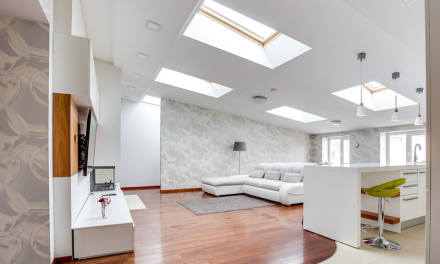
Making room isn’t always about getting rid of things – sometimes it’s about using the space you already have a bit differently, so it’s definitely worth thinking about.
For example, you could move your furniture around so it fits better or makes more sense in terms of the layout and how you move around the house, or perhaps you could use a bit more vertical space (sometimes that’s usually forgotten about), and so on. You’ll be opening up more room without going too far or spending a lot of money, and it might be that it’s the only thing you’ve got to do – and even if there are other options to do afterwards, it’s a great start anyway.
Creating Clear Storage Zones
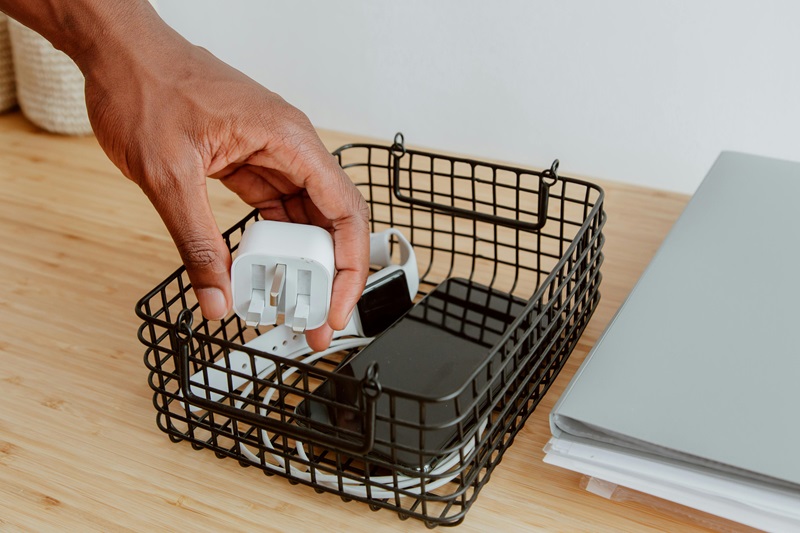
When everything’s got a place, it’s a lot easier to keep it all under control. One way to do it is to group similar items together, and then giving them a clear home, which could just be a box or basket, for example.
The point is, it takes away that confused, messy, scattered kind of feeling, which tends to be what makes a space feel a lot more crowded than it really is.
Using Extra Space When You Need It
There are times when you literally don’t have any more room in your home for all the things you want to keep, even after going through it all and choosing what should go and what should stay. If that’s the case for you, it could be that storage units can solve a lot of problems.
They’re useful because you get to have a way to hold on to the items that you still want or need, but you don’t have to try and squeeze them into an already full house. You don’t have to move everything out (although if you’re doing renovations or redecoration, that can be handy), but you can move enough so you’ve got more space and less clutter, which is good for your home and your own wellbeing.
Keep Surfaces Clear
Surfaces tend to collect things very quickly because they’re an easy place to put things – and you’ll probably tell yourself you’ll move it to where it belongs later, but a lot of the time, later doesn’t come, and instead, more clutter arrives.
So if you’ve got a surface (or more than likely more than one) that’s covered in stuff, make that your first job, and clear it because it can make an immediate difference. As for where you’ll put the stuff you clear, that’s going to depend on what it is; rubbish can go in the bin, anything that has a home can be put back, and anything left over could go to your storage unit, for example.
Make Some Good Habits
Once you’ve made some space, keeping it that way is important, and it basically all comes down to having some good habits in place to make sure you don’t fall back into your old ways. And they’ll be easy habits too, like always putting things back where they belong, and not letting clutter build up again, and making it part of your routine housework to tidy things up before they get too much.
If you’re able to stay more aware of the issue because you’ve tackled it once, it’s going to be far easier not to get into that situation again – after all, you know how much hard work it is to put things right.