Getting the Most Out of a High-Value Renovation Project
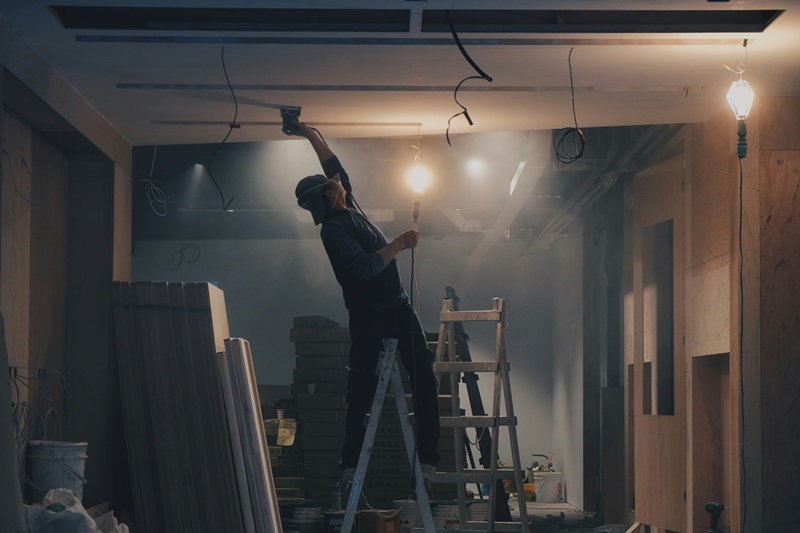
Home improvements always sound like a good idea at first. A few upgrades here. Maybe a small project there. It feels manageable when you think about it in pieces. Break down a large task into smaller ones. That kind of thing.
But in reality, it can get tiring quite quickly. The noise. The mess. People coming in and out of your house all the time. And not everyone has the time, budget, or patience to deal with that more than once or twice a year.
So that’s why focusing on one larger, high-value renovation can sometimes make more sense. It gives you a clear window to get everything done, and if needed, you can step away while the work is happening. It also becomes something you might even look forward to. Saving up all of those small upgrades and improvements for that big yearly project.
If that sounds appealing to you, then there’s how to get the most out of a high-value renovation project.
Why doing one big project can feel more manageable than constant upgrades
Once you start thinking about it properly, taking on one big home improvement project can actually feel a lot more controlled than juggling several smaller ones throughout the year.
When the work keeps starting and stopping, it never really feels finished. One room gets sorted, then another gets pulled apart. And before long, your routine is built around builders, deliveries, and delays. It sounds awful.
So going all in on one project creates a much clearer path. There’s a timeline. A goal. A point where it’s all done and you can actually enjoy the result. Have you ever tried to relax in a home that’s half-finished? It’s a lot harder than it sounds. That’s why keeping it focused on a single period in the year can feel like a bit of relief.
Focusing on changes that actually improve how you live
When you’re putting a lot of time and money into your home, it helps to think about how it will actually change your day-to-day life. Some upgrades look good but don’t really change up how you use the space. There aren’t really functional changes in that case, just cosmetic ones. But then others completely change the way everything works in your house.
That’s where it’s worth paying attention to popular housing trends, not to follow them blindly, but to understand what’s working for other people. You get to see what people are doing to their homes and how it could potentially change the way you live your life.
Things like open living areas, better light, and more flexible layouts tend to come up again and again throughout the years. And there’s usually a reason for that. They make homes feel easier to live in. Less cramped. More connected. And that’s often what people are really looking for.
Designing spaces that feel open without losing function
A lot of renovations lean into open space designs, but it’s not always about removing every wall in sight. And it’s not just for structural purposes. There’s a balance that works better in practice. Keeping that sense of openness while still giving each area a defined and separated purpose.
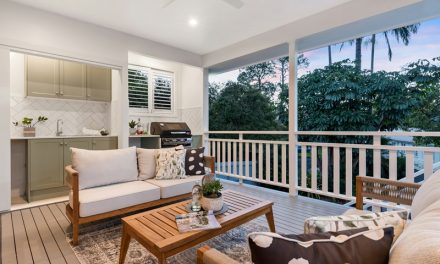
If you’re looking to expand your home, then that’s where a well-planned home extension can make a real difference. Instead of just adding a new space, it gives you the chance to rethink how everything connects. Where people gather. Where quieter moments happen.
Spaces can be big and open while still feeling highly organised. It has to come from careful and intentional design, though. You can’t just knock down walls and expect things to flow better.
Adding features that make your home feel more complete
It’s easy to focus on the big visual changes, but some of the most useful upgrades are the ones that make your everyday life smoother. A dedicated home office, for example, can change how your day feels, especially if you’ve been working from shared spaces or temporary setups. If you’re running a business or working many hours from home, it’s well worth considering.
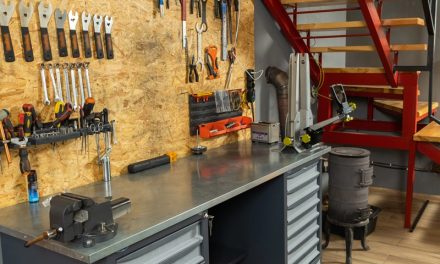
And then there are the practical additions. Storage areas. Utility rooms. Spaces that take the pressure off the main living areas. They might not stand out straight away, but over time, they tend to be the parts of the house you rely on the most.
Keeping an eye on value without overdoing it
It’s tempting to keep adding ideas once a renovation is underway. Better finishes. Extra features. Small upgrades that start to stack up. But it helps to think about how everything fits within your area and lifestyle. A renovation should support the kind of home you’re building, not push it into something that feels out of place.
For example, what works for a young family house might not need to be as high-spec as something aimed at a completely different market. Have you ever seen a home that felt a bit too overdone for its surroundings? That’s usually where things have gone a little too far.
Planning properly so things don’t spiral later
A lot of the stress in renovations comes from things that weren’t fully thought through at the start. Unexpected costs. Delays. Decisions that need to be made quickly. It can all build up once things are in motion. That’s why putting time into planning makes everything feel more manageable. Budgeting with a bit of extra room. Understanding timelines. Thinking about long-term home maintenance as well as the initial build.
If you’ve ever had to fix something shortly after it was installed, then you probably know the kind of frustration it leads to. But thankfully, good planning avoids that. You don’t have to overthink things here. Just give yourself a bit of structure. Perhaps keep a plan in your pocket for if things go bad.
Taking on a high-value renovation can feel like a big step, but it often brings more clarity than constant smaller changes. By focusing on how your home works and choosing upgrades that genuinely improve daily life, the process will be so much easier to manage. And once it’s done, you’re left with a space that feels more complete, more functional, and much closer to what you actually want from your home.