5 Shed Upgrades Most Homeowners Miss—and Why They Matter More Than You Think
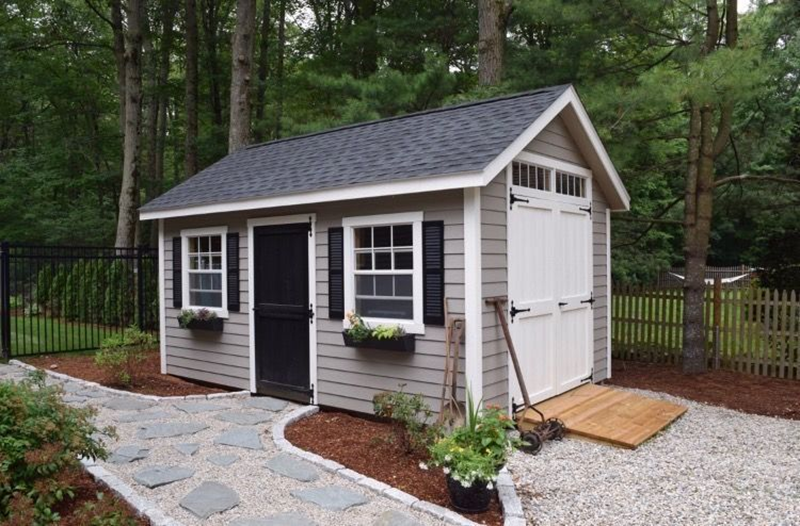
Sheds are quite handy in keeping your garden tools and other materials, but they are mostly underappreciated and easily overlooked.
Sheds are always exposed to changing weather conditions. Without proper care and maintenance, this could easily lead to structural damage. Letting problems develop or remain unaddressed can result in an unsafe shed and a potential safety risk.
If your shed is still free from issues, then it is best to act early to prevent damage. Aside from maintenance, one of the best things you can do for your shed is fitting it with new upgrades. Here are some that you can consider.
Upgrading Flooring
If you plan to use a shed for decades, you may need to know that standard OSB (oriented strand board)—a type of engineered wood similar to plywood—can rot, sag, and swell within just a few years when exposed to humid conditions and wet equipment.
If you are one of those shed owners that have to work with wet pieces of equipment, you can replace the floors entirely. It’s costly, but it is a long-term investment. If you want a temporary, albeit cost effective option, you can upgrade your shed with rugs.?
If you have the budget, consider seamless rubber flooring. These are made up of continuous sheets of water-resistant rubber that makes water clean-up easy.
If you want to start small, a rug can absorb moisture and protect your flooring. Several rug styles are also available if you wish to match it with your shed’s aesthetics.
Whether you choose to replace your entire flooring, or just stick to rugs, what matters is you keep your shed’s floor well-maintained. It is the foundation of your shed. Taking care of it reduces risks of accidents and unnecessary damages.
Improved Lighting
Most homeowners overlook shed lighting. Yet, finding tools in a dark shed is frustrating. It is also dangerous, as you could trip over tools or cords.
?Good lighting is essential for visibility and continued use after dark. It even allows you to transform your shed into a multifunctional space for hobbies or projects.
Since your shed is more exposed to outdoor climate, installing solar lighting can be a good choice. Getting motion-activated solar lighting is even better, as you no longer have to fumble over switches, especially when you’re carrying something in and out the shed.
Advanced Ventilation Systems
Most sheds come with minimal ventilation. When a shed lacks proper ventilation, heat, humidity, and moisture can build up inside the shed and in its foundation.?
Moisture buildup causes wood rot, mold, and metal corrosion. The purpose of a shed is to protect your belongings and itself. Poor ventilation can shorten the lifespan of both, leading to unexpected costs.?
You can check your shed’s ventilation with a visual test to see if they’re working properly. Try to locate them, as you will conduct tests on them afterward.
Next, physically test airflow by lighting incense inside. If smoke rises and exits quickly through high-level vents, ventilation works. If smoke lingers or is stagnant, airflow needs improvement. For low-level vents, try placing a piece of paper. If the paper is sucked in, it confirms that air is being drawn in.
If you find any problems after testing, upgrade to ridge and gable vents to release hot air. For extra cooling and savings, you can also install solar-powered fans.?
Insulation For Year-Round Use
For year-round use, insulation is essential. Along with the right ventilation, insulation regulates temperature, prevents damage, and protects stored items, making your shed usable year-round.?
To do this, you won’t just have to insulate the walls; you’ll also need to insulate the roof and floor using either foam boards or mineral wool. You would also have to install a vapor barrier. This breathable membrane allows water vapor to escape during condensation.
Furthermore, all gaps around windows and doors must be sealed. If moisture can enter, humidity will rise and the interior won’t be properly cooled year-round.
Proper Layout Planning
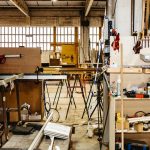
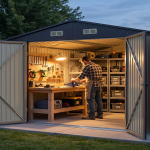
There are many ways to improve your shed’s layout, but it all depends on your shed’s purpose. Sheds can be used as a storage, workshop, or office. Once you figure that out, you can map out practical activity zones.
If you have a large shed, you can create functional zones for activities, such as a storage zone for seasonal items, a workbench zone for projects, and a gardening corner for tools.
For an efficient workflow, place frequently used items like safety gears or gardening tools near the entrance. On the other hand, rarely used or heavy items should be placed in the back or on higher shelves.
Why These Upgrades Matter
Sheds are overlooked, but they are indispensable. You’d like to use it for a long time. To do that, you need to make sure it is well maintained. Getting upgrades is part of good maintenance.
Whether you want to replace the floorboards, place rugs, or solar lighting, getting these upgrades can help you avoid more costly expenses down the line.