How to Vermin-Proof Your Steel Shed: Complete Guide to Sealing Gaps from Base to Roof
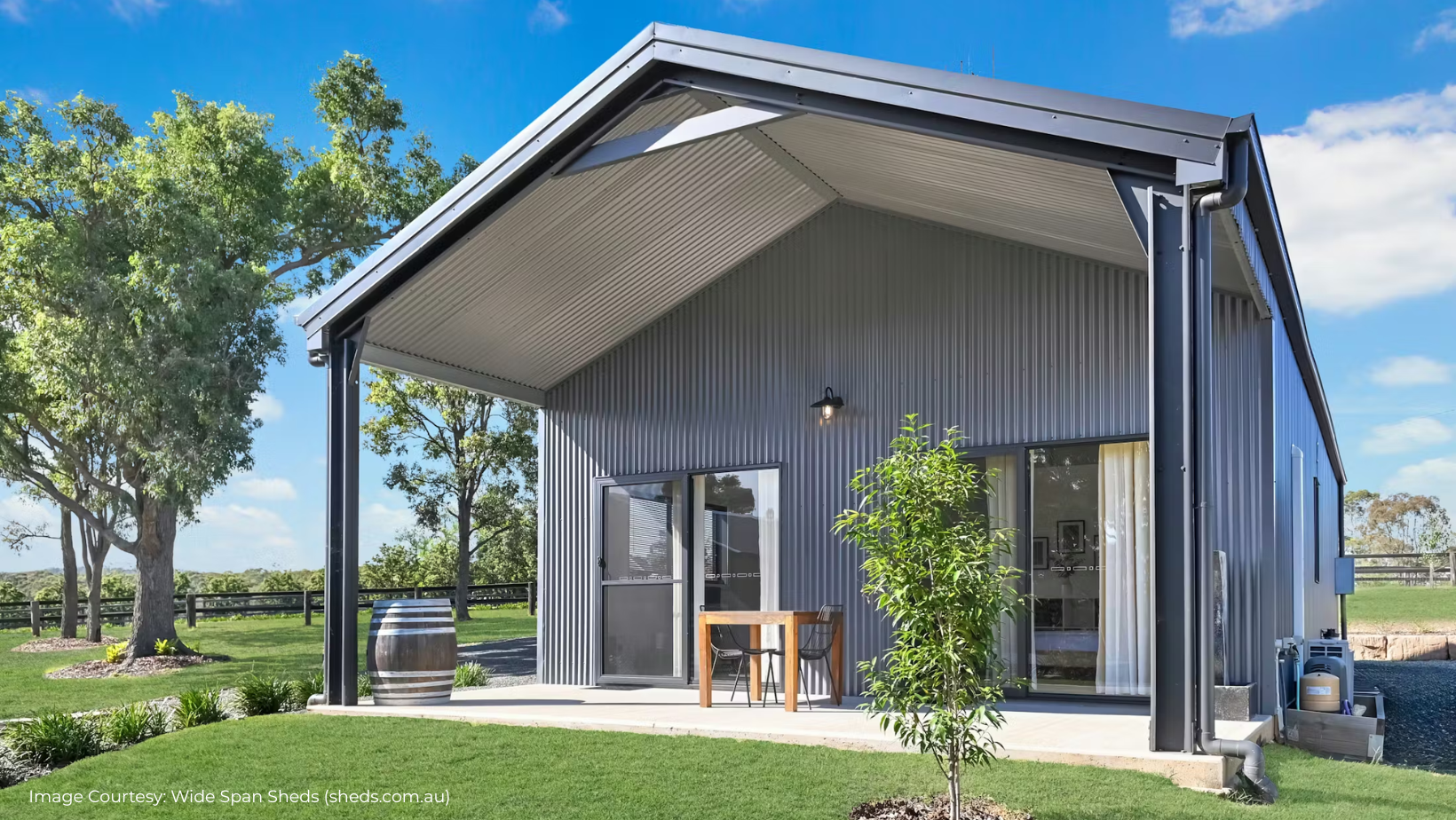
Steel sheds are built tough for Australian conditions, but even the best shed can have small gaps where vermin and debris can sneak in. Without proper sealing, rodents, birds, snakes and insects can easily enter through small openings in wall sheets, roof profiles, corners, and ridge caps.
Vermin-proofing your shed is one of the most important steps in protecting steel sheds. By sealing the shed properly—from the slab all the way to the roof ridge—you can prevent vermin entry, keep your shed cleaner, and protect equipment stored inside.
In this guide, we’ll walk through the key areas of a steel shed that need sealing and the products designed to prevent vermin and debris from entering your building.
Common Vermin Found in Australian Steel Sheds
Steel sheds provide warm, sheltered environments, which, unfortunately, makes them attractive to vermin.
Common shed vermin include:
- Rats and mice
- Snakes
- Birds nesting in roof spaces
- Spiders, insects, frogs and lizards.
- Possums and bats.
Even very small gaps between wall sheets and slabs, roof profiles, or ridge caps can allow vermin to enter. Once inside, they can damage insulation, wiring, stored goods, and equipment.
This is why installing shed vermin seals is essential to protect steel sheds from vermin intrusion.
Prevent Vermin Entry at the Base of Your Steel Shed
The wall base is one of the most common entry points for vermin in steel sheds. Corrugated steel profiles leave small openings where rodents and snakes can easily enter if not sealed.
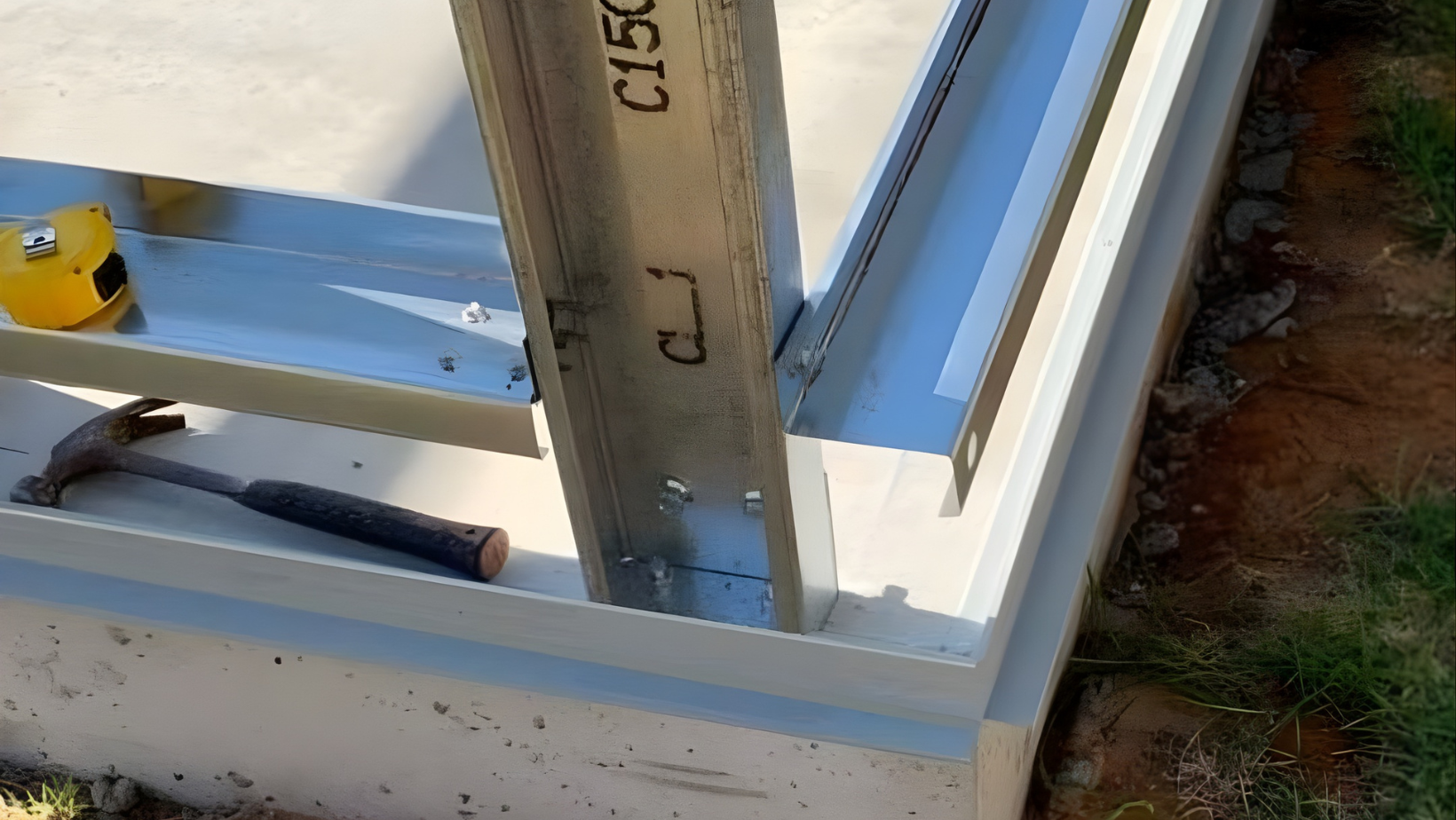
Vermaseal – Prevent Vermin at the Slab Level
Best for: New shed builds and slab edge sealing
Vermaseal is installed before the shed walls are erected, forming a continuous barrier between the slab and wall sheeting to prevent vermin entering.
- Installed during construction
- Prevents vermin, dust, and debris from entering wall cavities
- Isolated sheets from corrosive concrete.
- Helps protect steel sheds from vermin from day one
- Ideal for builders wanting a clean, integrated base seal
Retroseal Superseal – Retrofit Wall Base Vermin Protection
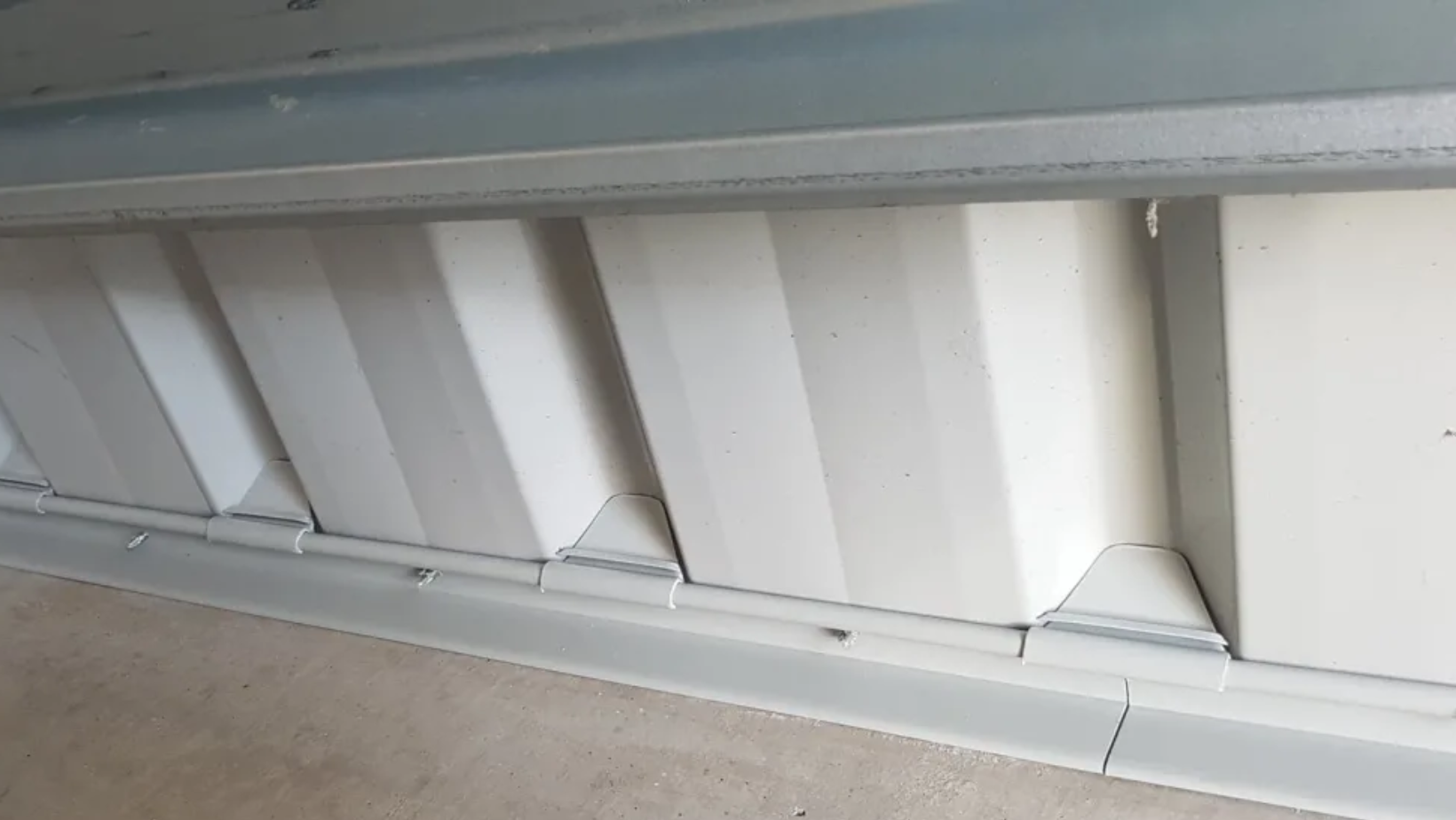
Best for: Existing sheds needing vermin protection
Superseal is designed to seal the gaps under wall sheets after a shed has already been constructed.
- Prevents vermin from entering through the wall sheet profiles
- Suitable for common steel cladding shapes
- Helps protect steel sheds from rodents, snakes and insects
Combination Seal – Flexible Vermin Seal for Steel Cladding
Best for: Multiple wall sheet profiles
Combination Seal is designed to suit a range of steel cladding profiles used in Australian sheds.
- Flexible sealing for different sheet profiles
- Prevents vermin and debris from entering wall cavities
- Suitable for both new and existing sheds
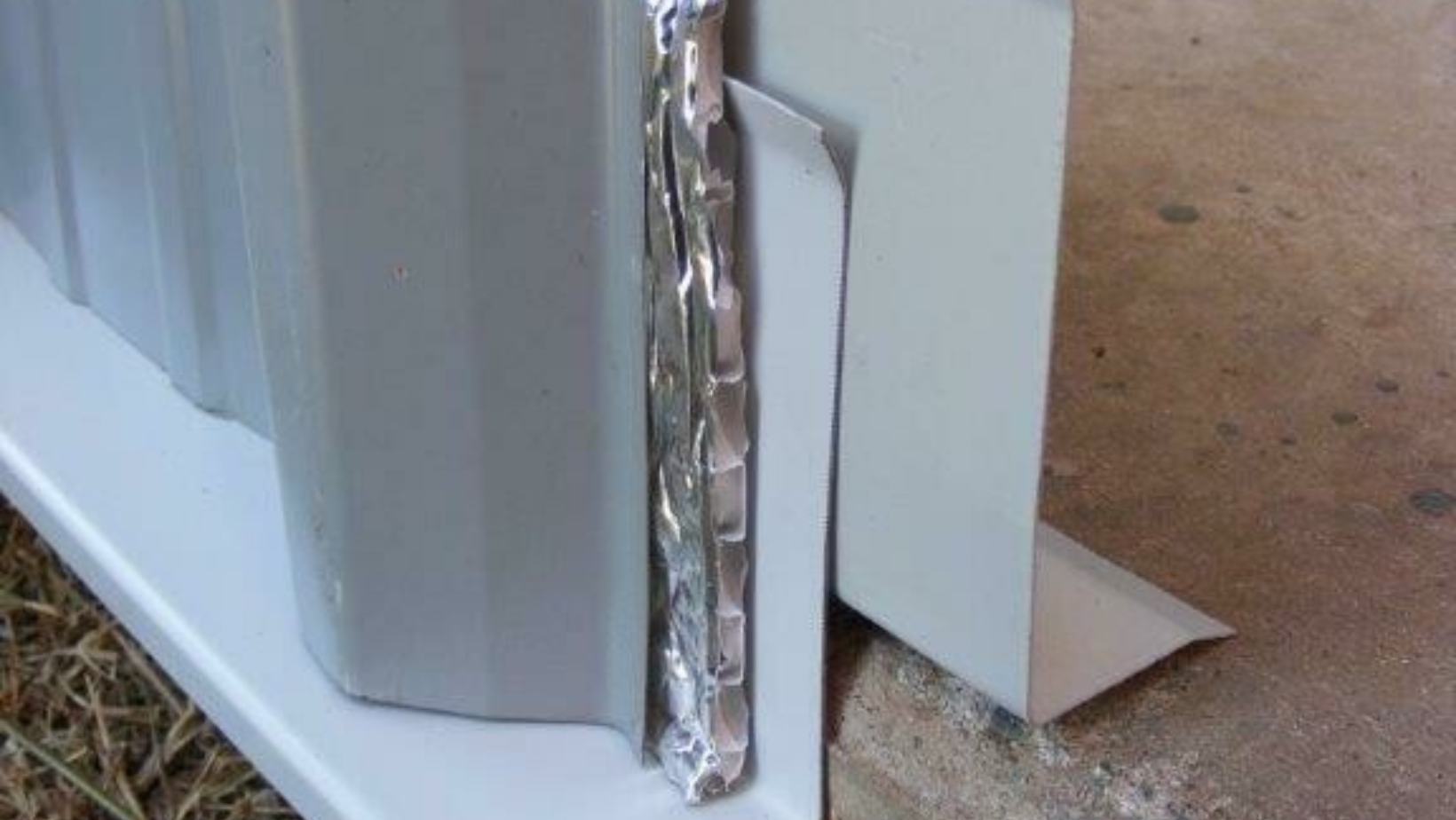
Handyseal – Flexible Seal to Prevent Vermin in Corrugated Cladding
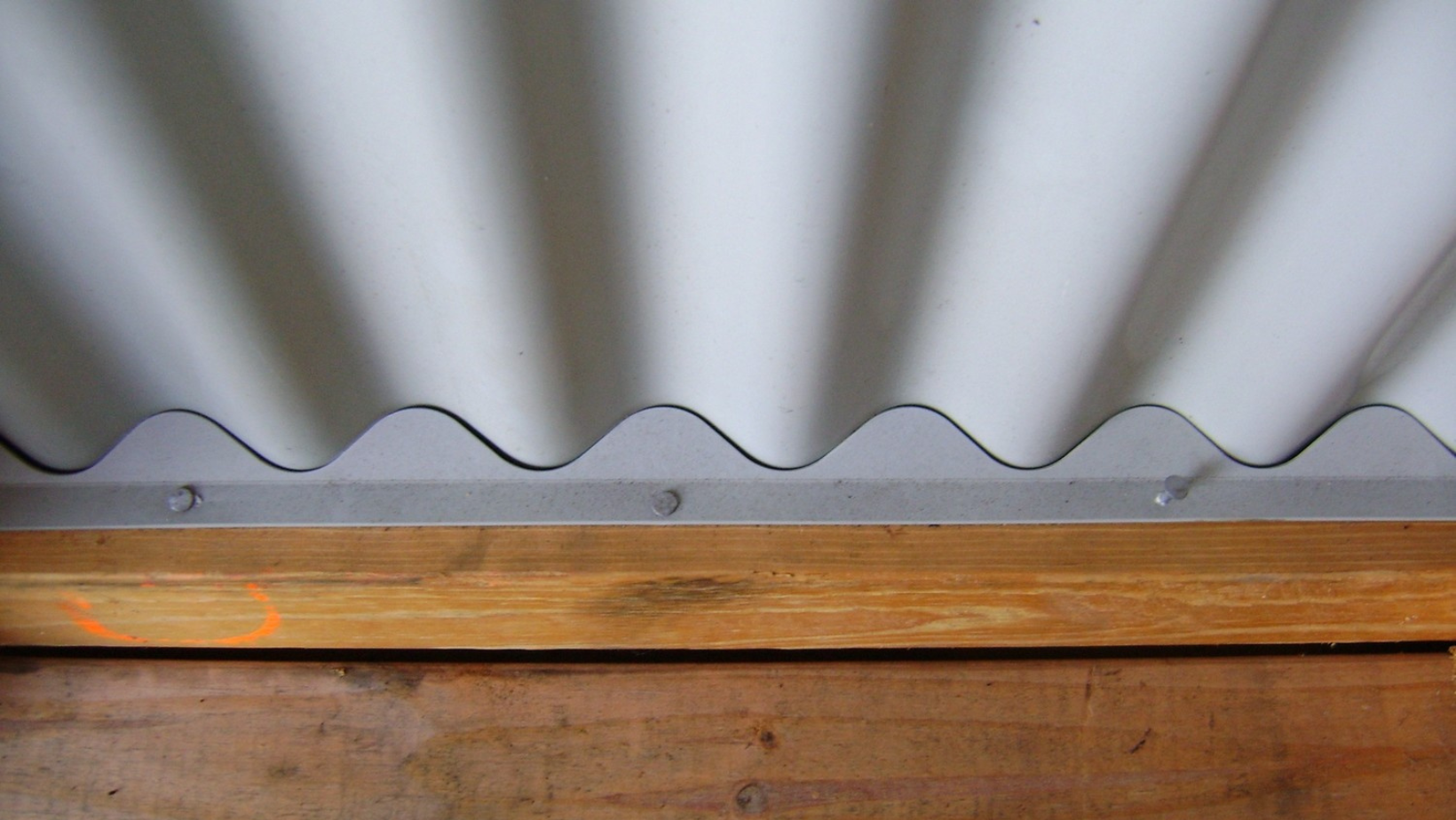
Best for: Corro or Custom Orb cladding
Handyseal is a PVC sealing product designed to match common corrugated sheet profiles used in steel sheds.
- Helps prevent vermin from entering the roof and wall sheet profiles
- Suitable for both wall and roof applications
- Useful for sealing difficult areas in steel sheds
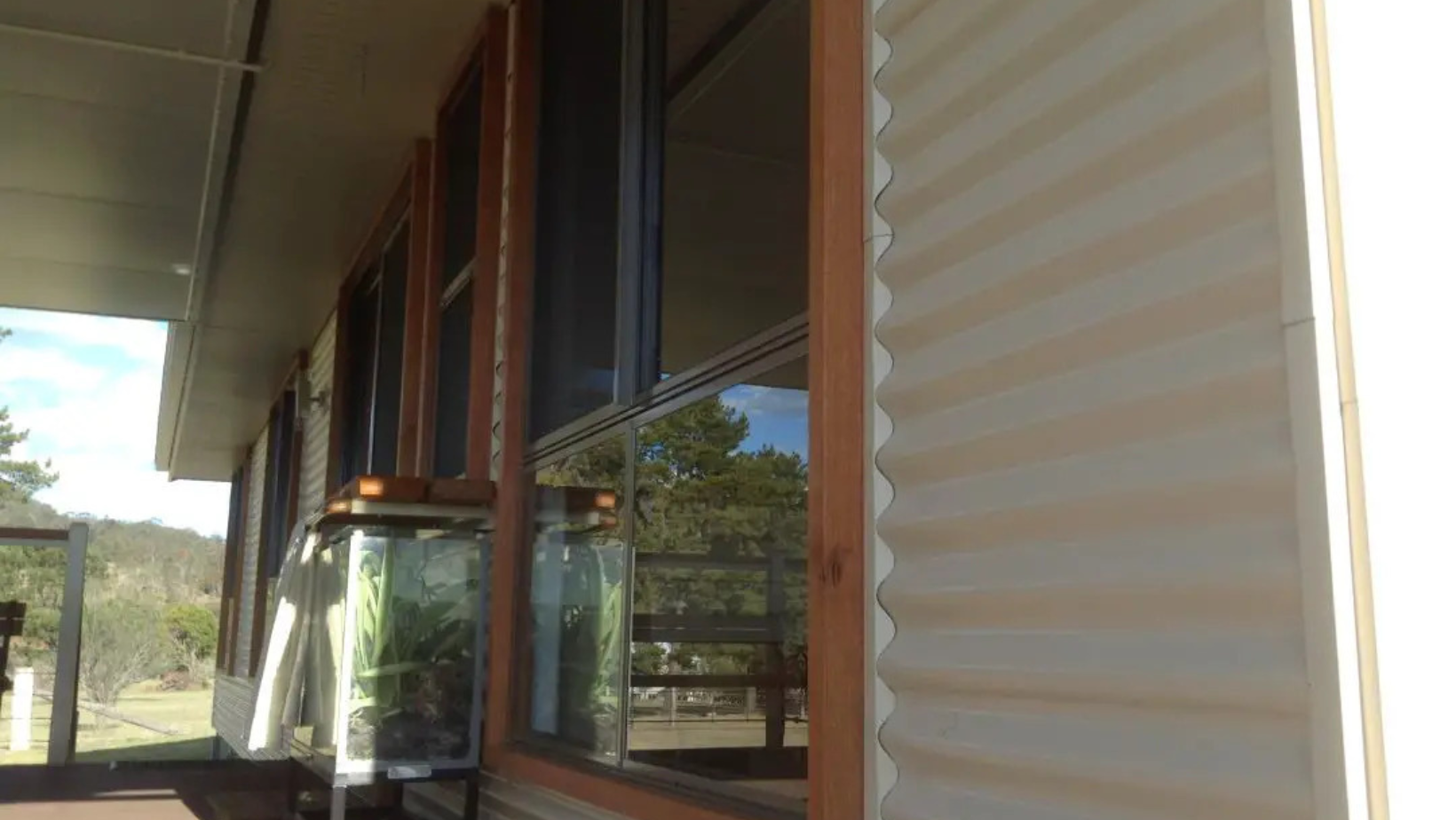
Corro Corners – Protect Steel Sheds from Vermin at Wall Corners
Best for: Internal wall corners
Internal wall corners are often overlooked when vermin-proofing sheds.
Corro Corners seal the gaps where corrugated wall sheets meet, preventing vermin from entering through these joints.
- Seals internal wall sheet corners
- Improves vermin protection and shed cleanliness
- Completes the wall sealing system
Protect Steel Sheds at the Roof Edge and Eaves
Once the walls are sealed, attention should move to the roof edge, where vermin often enter through open sheet profiles.
Retroseal Roofseal – Prevent Vermin and Embers Behind the Gutter
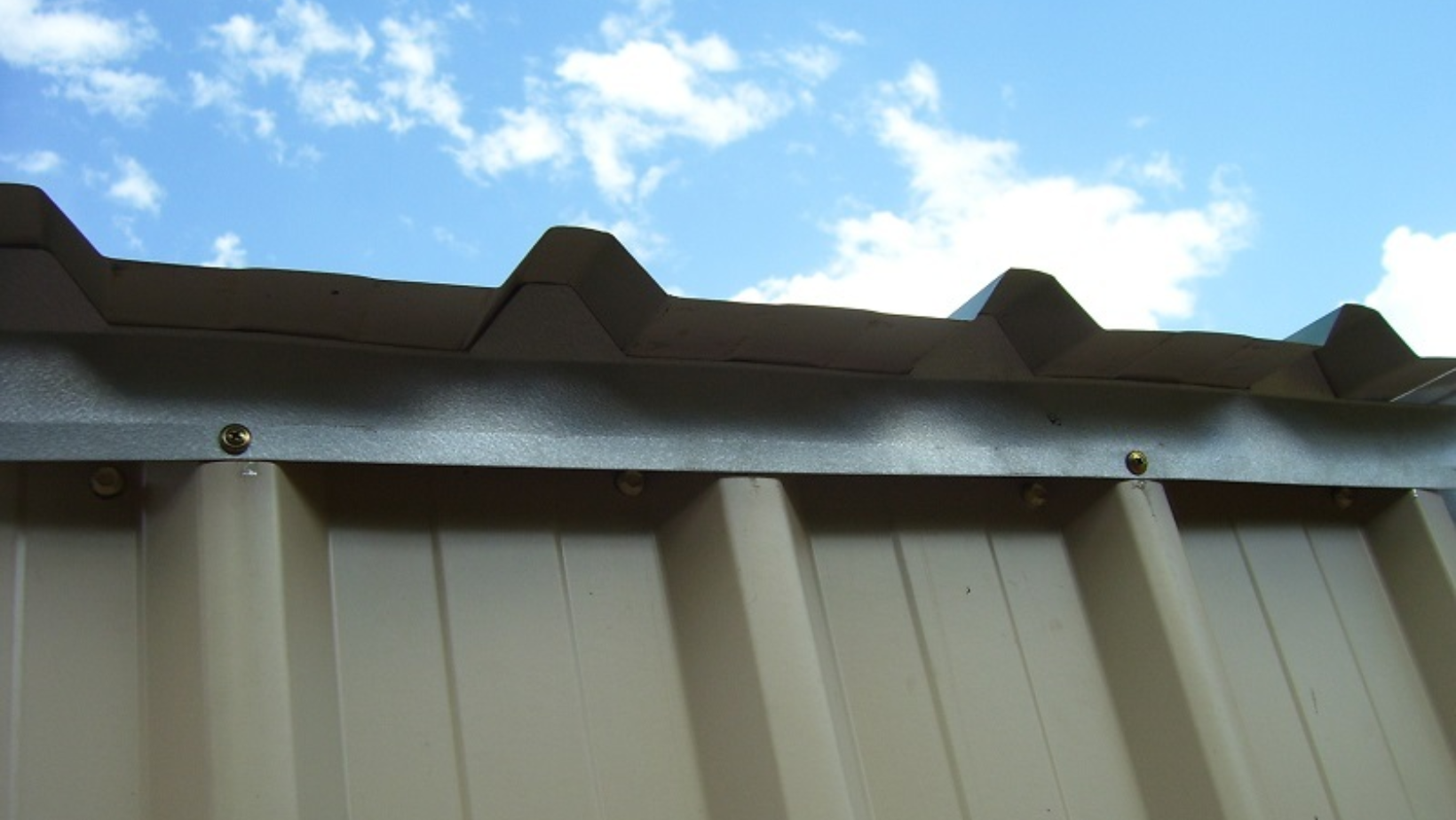
Best for: Roof sheet gaps behind gutters
Roofseal closes the open roof sheet profiles behind the gutter.
- Prevents birds, rodents and insects entering through roof edges
- Helps protect steel sheds from vermin and debris
Also acts as an ember guard for bushfire zones
Retroseal Ridgeseal – Vermin Protection for Ridge Caps
Ridgeseal is installed beneath the ridge cap to close the gaps where roof sheets meet along the roof peak.
- Prevents birds from nesting in roof cavities
- Stops vermin entering through ridge gaps
- Helps block embers dirt, leaves, and debris
- Improves the finish and weather protection of the ridge cap
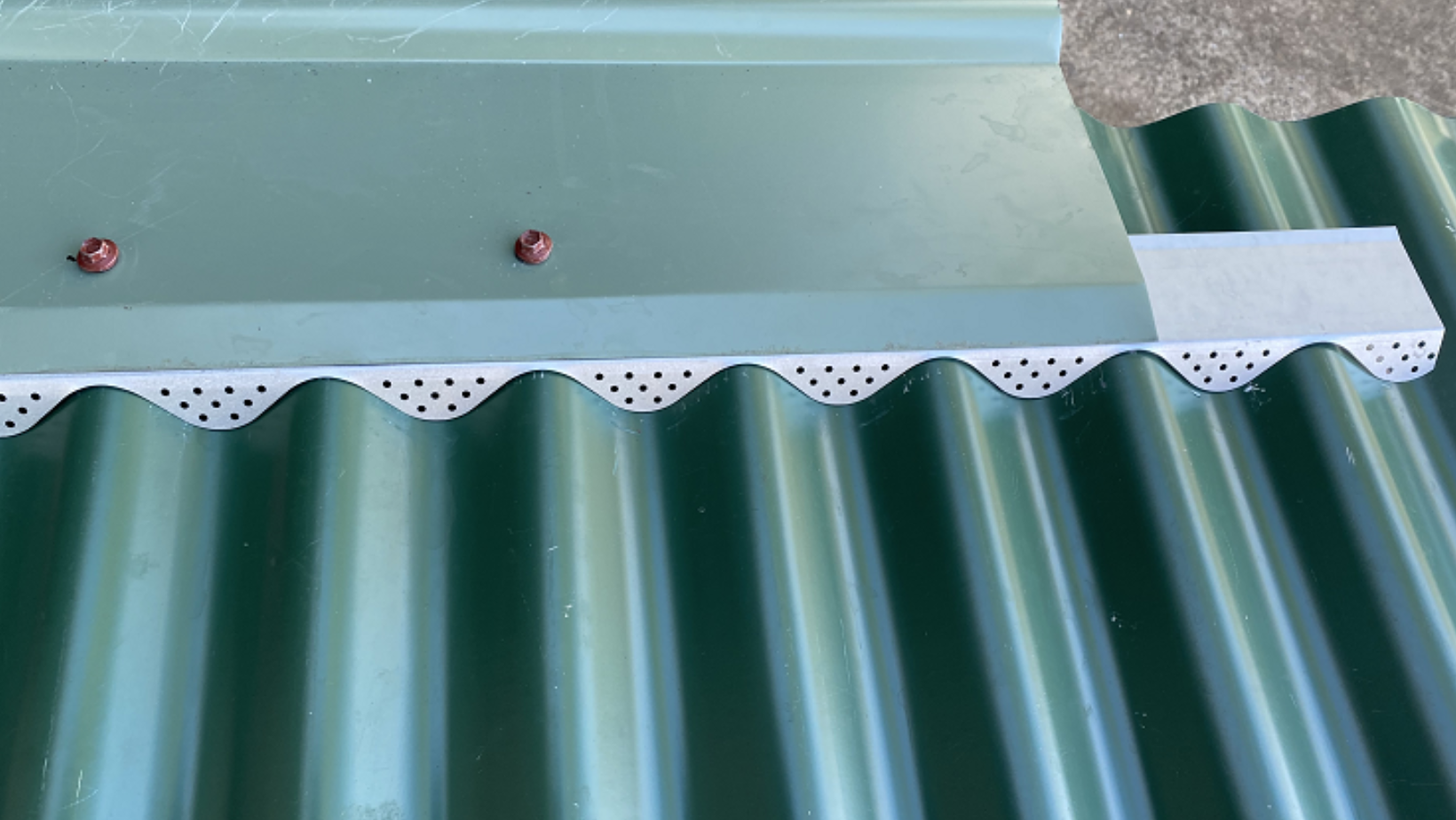
Retroseal Ridgeseal is designed to sit under the ridge cap and can reduce gaps down to 3 mm or less, helping protect against vermin and ember entry.
Perforated Ridgeseal options are also available, allowing airflow while still blocking vermin and embers. These perforated versions are often used where sheds need to meet BAL bushfire safety requirements, helping prevent ember attack from entering the roof cavity.
Eaveseal – Close Open Roof Sheet Profiles
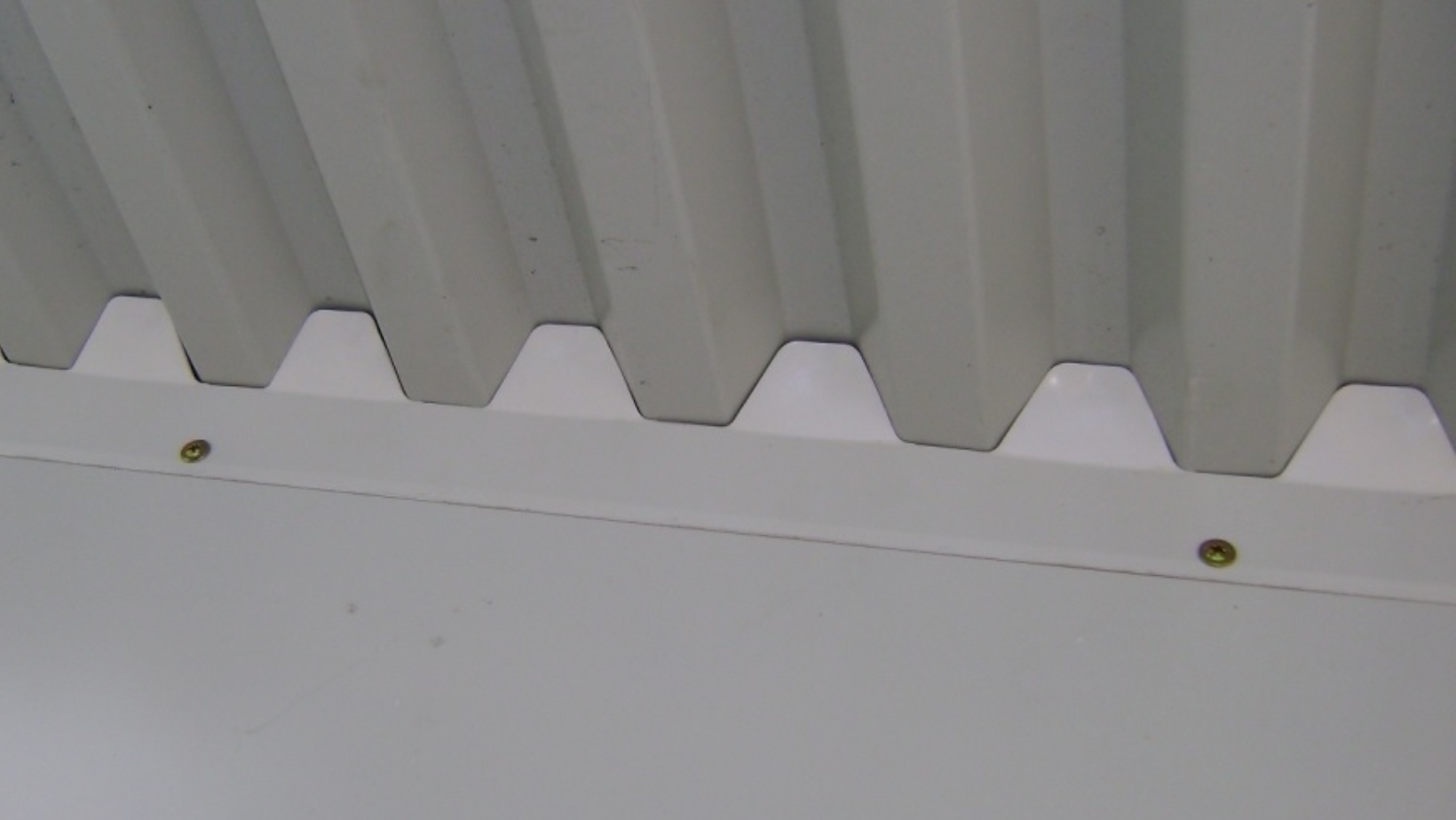
Best for: Open roof eave profiles
Eaveseal is designed to close exposed roof sheet profiles at the eaves.
- Prevents vermin from entering through open sheet profiles
- Improves roof protection against embers, dust and debris
- Works alongside other roof sealing products
Retroseal Houseseal – Vermin Protection for Roof Eaves
Best for: Roof eave areas
Houseseal seals the gap between roof sheets and the eave structure.
- Prevents vermin entering roof cavities
- Reduces debris and dust buildup
- Helps protect steel sheds from birds and rodents
- Maintains ember control
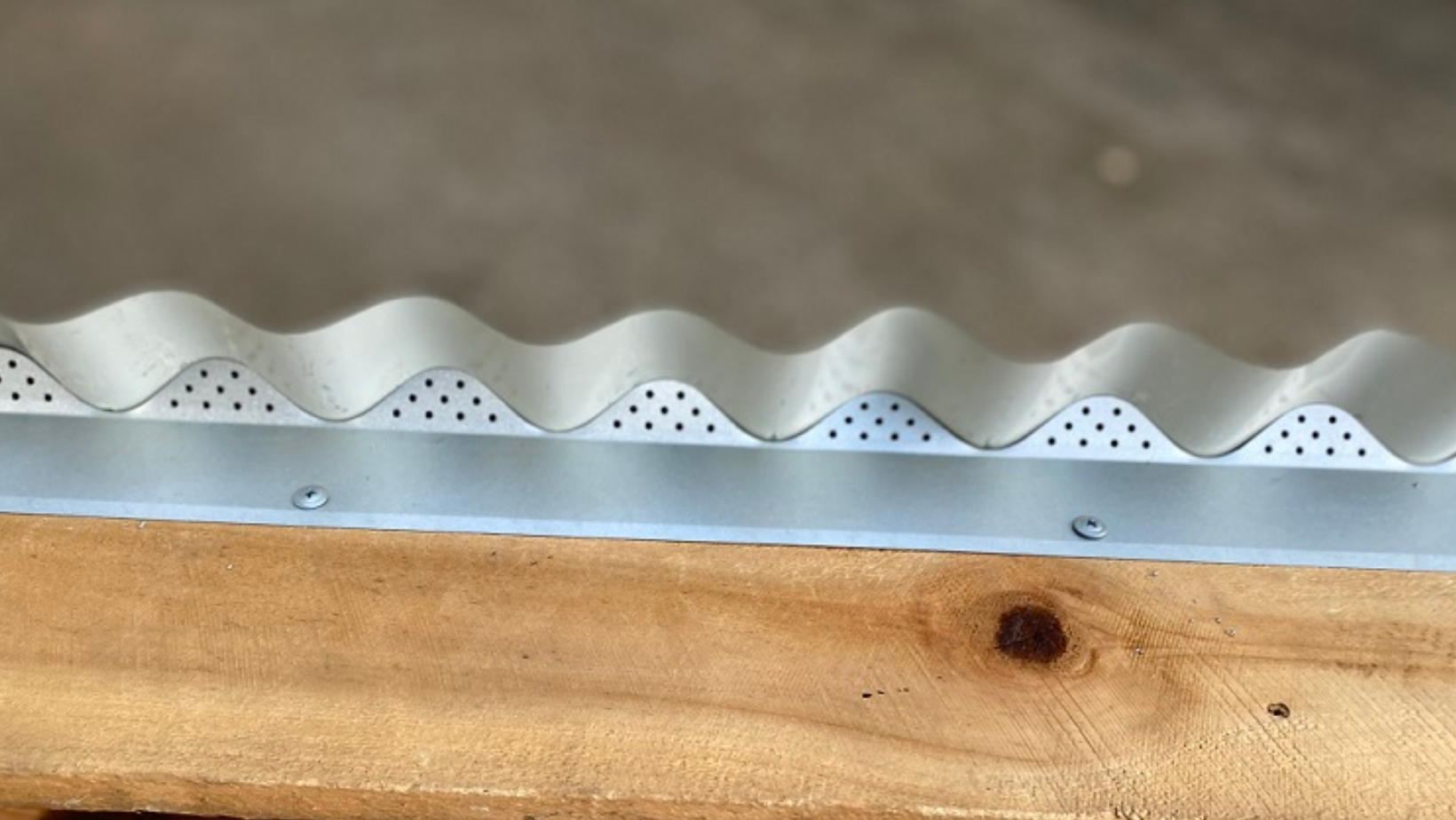
Perforated versions are also available, which allow ventilation while preventing vermin and embers from entering. These perforated designs can assist with BAL (Bushfire Attack Level) compliance in bushfire-prone areas.
Skillion Seal – Protect Skillion Roof Steel Sheds from Vermin
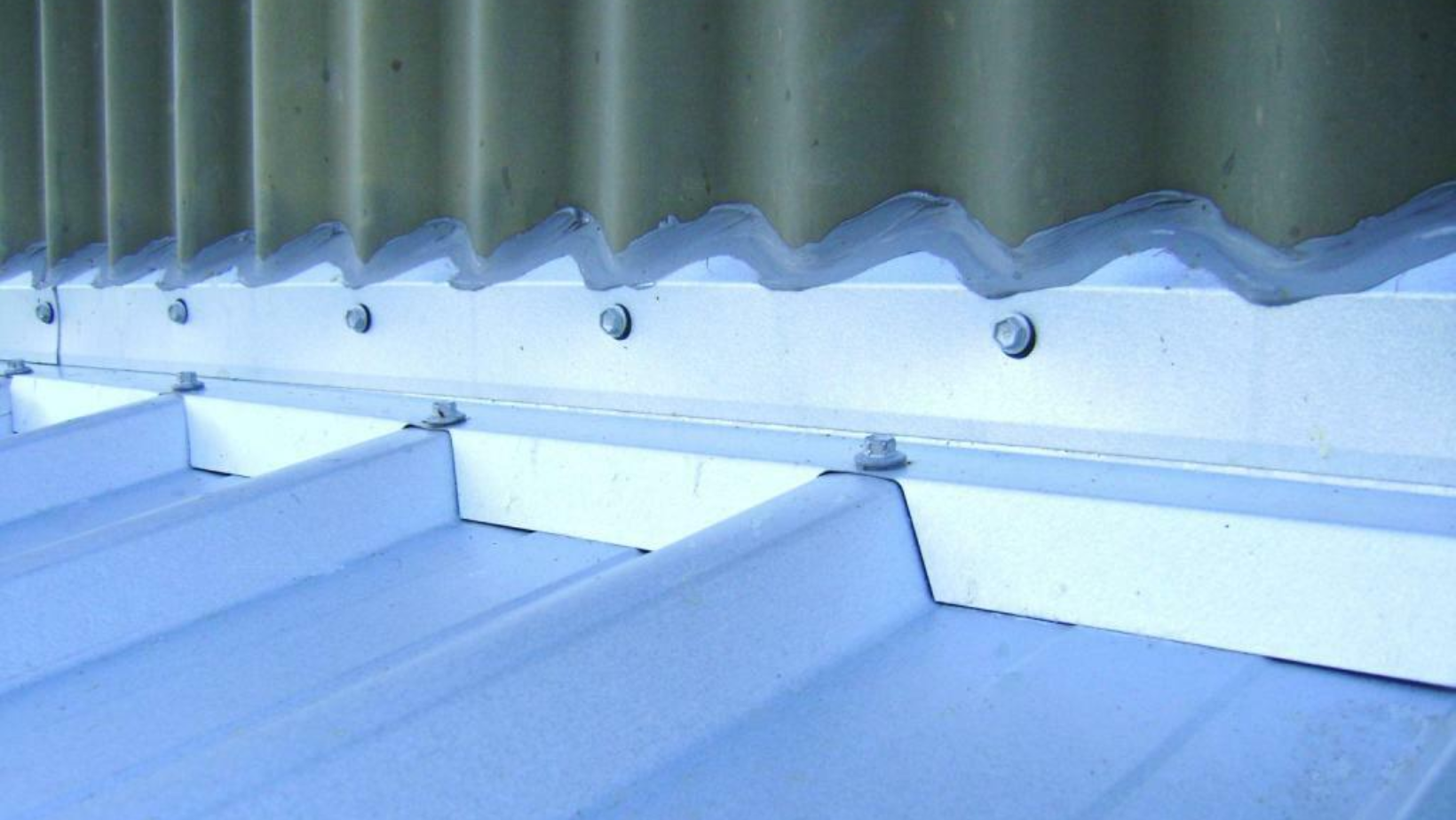
Best for: Skillion roof sheds
Skillion Seal is a pre-cut flashing designed specifically for skillion roof structures.
- Prevents vermin entry at roof edges
- Protects steel sheds from weather and debris
- Provides a neat finished edge
Maintenance Tips to Keep Your Shed Vermin-Proof
Even after installing vermin seals, occasional inspection helps keep your shed protected.
Recommended maintenance:
- Inspect vermin seals annually
- Check roof ridges and gutters for debris
- Ensure door gaps remain sealed
- Replace damaged seals when needed
- Keep a trap or two active, and if feasible, place a few baits.
Regular maintenance helps keep vermin out and protects steel sheds long-term.
Explore
- To see Vermin Proofing for your home or shed go here
- To see Windows and Sliding doors for your home or shed go here
- To find Insulation for your home or shed go here
- To find steel products for your home or shed project go here
- Discover steel watertanks for your home or shed go here
- Explore mezzanine floors for the home or shed here
Final Thoughts: Protect Steel Sheds with Proper Vermin Sealing
Vermin-proofing your steel shed is one of the most effective ways to protect your building, equipment, and workspace.
By sealing your shed properly from the slab to the roof ridge, you prevent vermin from entering while improving cleanliness, durability, and comfort.
Using products like Vermaseal, Superseal, Combination Seal, Handyseal, Corro Corners, Roofseal, Houseseal, Eave Seal, Skillion Seal and Ridgeseal helps create a fully protected shed system.
Whether you’re building a new shed or upgrading an existing one, installing the right vermin seals ensures your steel shed stays clean, secure, and protected for years to come.