The Remodelling Shift: Why Sydney Homeowners Are Upgrading Instead of Expanding
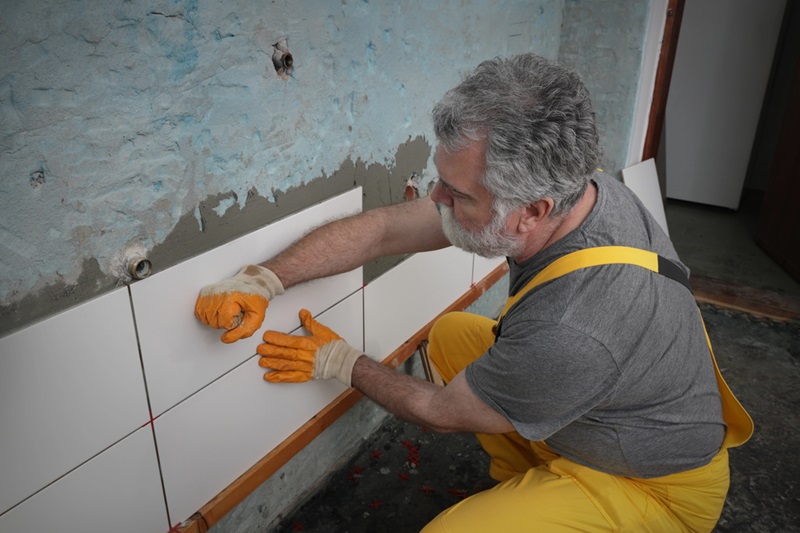
Sydney’s property market has long been defined by its scarcity of space. With soaring land prices, tightening regulations, and increasing urban density, the idea of expanding outward is no longer as accessible, or as appealing, as it once was. Instead, a noticeable shift is taking place across the city: homeowners are choosing to upgrade what they already have rather than extend beyond it.
For those considering bathroom remodelling in Sydney, this transition reflects a broader evolution in how people think about their homes, as highlighted in how Sydney homeowners are combining wellness and bathroom design. Renovations are no longer just about aesthetics; they are about redefining comfort, functionality, and long-term value. In many ways, remodelling has become the smarter, more strategic response to Sydney’s changing housing landscape.
The Financial Reality of Expansion
Expanding a home in Sydney has become an increasingly complex financial commitment, as reflected in broader development pressures outlined in Sydney’s evolving housing landscape and future development priorities. Construction costs have surged in recent years, driven by material shortages, labour expenses, and regulatory compliance requirements. What might have once been a straightforward extension project now often involves significant planning, approvals, and unforeseen costs.
For many homeowners, the numbers simply no longer add up. Extensions can require structural reinforcements, council approvals, and lengthy construction timelines, all of which contribute to escalating budgets. These challenges make expansion not only expensive but also uncertain.
In contrast, remodelling offers a more controlled and predictable investment. By working within the existing structure, homeowners can allocate their budget more efficiently, focusing on areas that deliver the greatest impact. This financial clarity is a key reason why remodelling is gaining momentum across Sydney.
Making Existing Space Work Harder
One of the most compelling advantages of remodelling is the opportunity to rethink how space is used. Many older homes in Sydney were designed for a different era, with layouts that no longer align with modern lifestyles.
Through strategic redesign, these spaces can be transformed into highly functional environments, with ideas similar to those discussed in how homeowners can add usable space without major extensions. Walls can be removed to create open-plan living areas, while underutilised corners can be converted into practical storage or workspaces. The goal is not to add more space, but to make better use of what already exists.
This approach encourages innovation. Designers are increasingly focused on flexibility, creating spaces that can adapt to changing needs. Whether it’s a living room that doubles as a workspace or a kitchen that integrates dining and social areas, remodelling allows for a more dynamic and efficient use of space.
The Rise of Micro-Luxury
Remodelling has given rise to the concept of micro-luxury, where smaller spaces are elevated through high-quality materials and thoughtful design. Instead of spreading budgets thinly across larger areas, homeowners are investing in details that enhance everyday experiences.
Bathrooms and kitchens are at the forefront of this trend. Premium finishes, bespoke cabinetry, and designer fixtures can transform these spaces into focal points of the home. The emphasis is on craftsmanship and quality, creating environments that feel both luxurious and personal.
This shift also reflects changing values. Homeowners are increasingly prioritising comfort and wellbeing over sheer size. A beautifully designed bathroom or kitchen can provide a daily sense of enjoyment, making it a worthwhile investment in both lifestyle and property value.
Lifestyle-Driven Upgrades: Designing for Modern Living
Today’s remodelling decisions are increasingly influenced by lifestyle rather than just structure. Sydney homeowners are no longer renovating simply to update finishes—they are redesigning spaces to better support how they actually live, work, and unwind on a daily basis. This shift reflects a move toward more intentional, experience-driven design.
Homes are now expected to accommodate multiple functions within the same footprint. Living rooms double as workspaces, kitchens become social hubs, and bathrooms evolve into wellness retreats. Instead of adding new rooms, homeowners are reconfiguring existing ones to create flexibility and flow, ensuring every space serves a meaningful purpose.
This lifestyle-focused approach also prioritises comfort and personalisation. From improved lighting and acoustics to better storage and layout efficiency, every detail is considered through the lens of usability. The result is a home that not only looks better but works smarter, tailored to the rhythms of modern living.
Technology Transforming Everyday Living
Modern remodelling projects are increasingly defined by the integration of smart technology. From automated lighting and climate control to advanced security systems, technology is reshaping how homes function.
In existing homes, these upgrades can have a transformative effect. Smart systems allow homeowners to optimise energy use, improve convenience, and create a more connected living environment. This is particularly valuable in compact spaces, where efficiency is essential.
Technology also plays a role in future-proofing. As innovations continue to evolve, homes equipped with adaptable systems are better positioned to remain relevant. This forward-thinking approach adds both immediate and long-term value to the property.
Adapting to Changing Lifestyles
The way people live and work has undergone a significant transformation, and homes must evolve to keep pace. Remodelling offers the flexibility to create spaces that reflect these changes without the need for expansion.
Home offices, multi-purpose rooms, and adaptable living areas are becoming essential features. Instead of adding new rooms, homeowners are reconfiguring existing ones to serve multiple functions. This approach maximises efficiency while maintaining a cohesive design.
This adaptability is particularly important in a post-pandemic world, where the boundaries between work and home life have blurred. Remodelling allows homeowners to create environments that support both productivity and relaxation.
Preserving Character While Updating Design
Sydney’s architectural diversity is one of its defining features. From heritage terraces to mid-century homes, many properties have unique character that homeowners are keen to preserve.
Remodelling provides a way to balance tradition with modernity. By retaining original features such as mouldings, timber floors, or facades, while introducing contemporary elements, homeowners can create spaces that honour the past while embracing the future.
This approach not only enhances the aesthetic appeal of the home but also adds to its market value. Properties that successfully blend character with modern functionality tend to stand out, attracting buyers who appreciate both history and design.
Faster Timelines, Less Disruption
Compared to expansion projects, remodelling typically offers shorter timelines and fewer disruptions. This is a significant advantage for homeowners who want to improve their living environment without enduring prolonged construction.
By working within the existing structure, many of the complexities associated with extensions can be avoided. This results in a more streamlined process, with fewer delays and uncertainties.
For families, this means less inconvenience and a quicker return to normal life. The ability to achieve meaningful improvements within a relatively short timeframe is a major factor driving the popularity of remodelling.
Strategic Value and Market Appeal
Remodelling is not just about enhancing lifestyle; it is also a strategic investment. In Sydney’s competitive property market, well-designed interiors can significantly influence buyer perception and property value.
Buyers are increasingly looking for homes that are move-in ready, with modern finishes and functional layouts. A thoughtfully remodelled home can stand out, attracting more interest and potentially higher offers.
Importantly, the return on investment is often more predictable than with expansion. By focusing on high-impact areas such as kitchens and bathrooms, homeowners can achieve substantial value gains without the risks associated with large-scale construction.
Conclusion
The shift from expansion to remodelling marks a fundamental change in how Sydney homeowners approach their living spaces. Faced with rising costs, limited land, and evolving lifestyle needs, they are choosing to invest in smarter, more intentional upgrades within their existing homes.
From micro-luxury and sustainability to technology and flexible design, remodelling offers a comprehensive solution that balances practicality with aspiration. It allows homeowners to enhance both the functionality and aesthetic appeal of their spaces while maintaining control over costs and timelines.
In a city where space is at a premium, the ability to transform what you already have is a powerful choice.