Do German Shepherds Shed a Lot? The Honest Truth About Fur, Seasons, and Everyday Life

If you’re thinking about owning a German Shepherd or you already have one, you might be asking one simple question: Do these dogs shed a lot? The short answer from experts and breeders is yes. German Shepherds are known for their thick coats, and that means plenty of loose fur in your home. As someone who’s lived with one, I can tell you that finding hair on your clothes becomes part of daily life. But the real story is a bit deeper than that.
The coat is the whole reason
Most German Shepherds have what is known as a double coat. There is a tougher outer layer that protects against rain, dirt, and sun. Under that sits a thick, soft undercoat whose main job is insulation. This undercoat grows and sheds depending on temperature and daylight.
That undercoat is the real source of the mess. When it loosens, it doesn’t fall out politely. It comes out in clumps, floats through the air, and sticks to fabric. Even dogs that look sleek and well kept are still dropping hair daily. I remember brushing mine and ending up with enough fur to fill a grocery bag. Among the different types of German shepherds, longer-coated shepherds look different, but they are not magically low shedding. In some cases the hair just tangles more visibly. Either way, shedding is part of the breed.
Year-Round Shedding With Heavy Peaks
German Shepherd shedding isn’t just seasonal. They lose hair every day, even when it doesn’t look like much is happening. But there are predictable peaks:
- Spring: They lose their thick winter undercoat to adjust for warmer weather.
- Fall: They drop summer fur and grow a new dense coat for winter.
These heavy shedding periods can last from a few days to a few weeks. During those times you might feel like you’re living in a snow globe of fur.
Indoor dogs sometimes shed more evenly all year because artificial lighting disrupts the body’s seasonal signals. Outdoor dogs tend to follow sharper seasonal changes.
What Makes Shedding Worse (and When to Worry)
Regular shedding is normal, but sometimes hair loss goes beyond the usual.
Common non-worry causes
- Normal undercoat removal
- Growth of new underfur
- Indoor lighting and temperature changes
Possible health-related causes
If shedding comes with patchy bald spots, irritated skin, itching, sores, redness, or behavior changes, those can be signs of:
- Skin infections
- Parasites like fleas or mites
- Food or environmental allergies
- Hormonal imbalance
- Dry skin from poor diet or dehydration
Real-World Grooming That Actually Helps
You can’t turn shedding off. You can manage it.
Brush Often
Regular brushing removes loose hair before it spreads around. In normal months that might mean brushing a few times a week. In heavy seasons, many owners brush daily or almost daily. Tools like an undercoat rake or de-shedding tool work best because they reach down into the dense fur. I found that brushing outside saves a lot of cleanup; otherwise, the fur just floats back indoors.
Don’t Over-Bathe
Bathing every 4 to 6 weeks can help loosen fur and keep skin healthy, but too many baths strip essential skin oils and can make shedding worse. After bathing, some groomers use blow drying with forced air to remove even more loose undercoat. The first time I saw this done, I was shocked; it looked like a fur storm blasting out of my dog.
Feed for a Healthy Coat
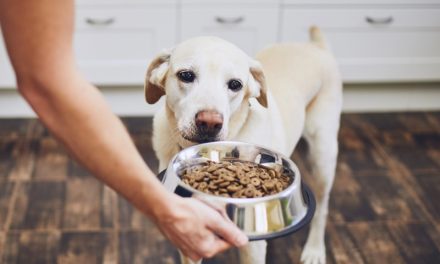
Nutrition matters. Foods rich in protein and omega-3 and omega-6 fatty acids help keep skin strong and support a healthier coat. If skin is healthier, shedding tends to be less extreme. Always talk to your vet before changing diet or adding supplements. Switching to a higher-quality food made a noticeable difference in my shepherd’s coat.