Why Disability Access Matters in Steel Shed Design (Not Just for Compliance)
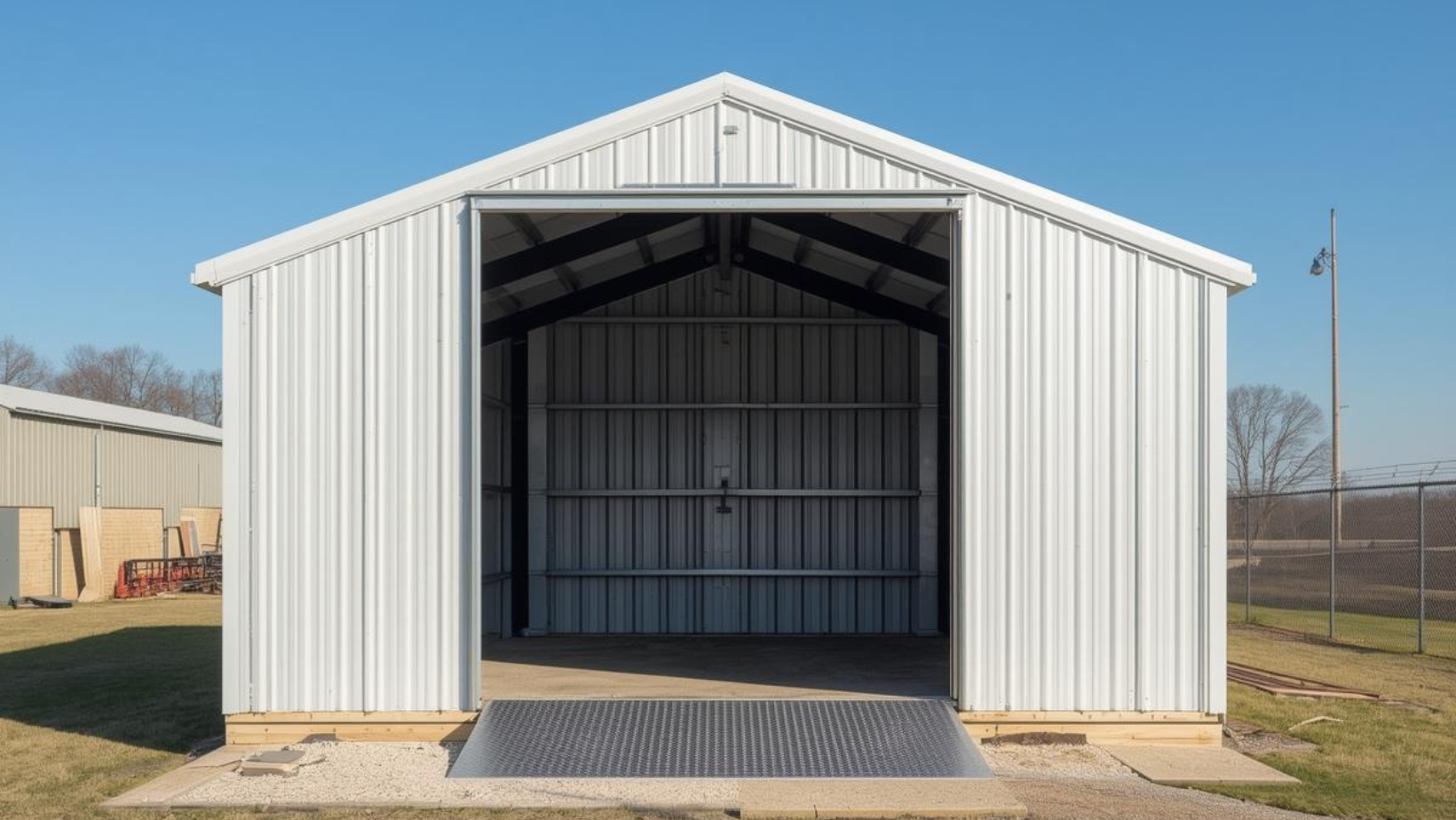
When people think about disability access, steel sheds aren’t usually the first structure that comes to mind. Sheds are often seen as practical, rugged, no-frills buildings — designed for machinery, storage, livestock, or trade work rather than people.
But that mindset is changing.
Across Australia, steel sheds are increasingly used as workshops, warehouses, commercial premises, farm hubs, community spaces, and customer-facing businesses. As soon as people are using a shed — not just equipment — disability access becomes more than a box-ticking exercise. It becomes a smart, responsible, and often future-proof design decision.
Disability Access Is About People, Not Just Rules
Disability access isn’t only about meeting minimum legal requirements. It’s about recognising that:
- People with disabilities work in sheds
- Customers with mobility, vision, or hearing impairments visit sheds
- Shed owners and workers age, get injured, or experience temporary mobility issues
A steel shed that’s difficult to enter, navigate, or use safely excludes a significant portion of the population — sometimes unintentionally, but with real consequences.
Good access design makes sheds safer, more functional, and more versatile for everyone.
The Legal Side: Compliance Is the Starting Point, Not the Goal
In Australia, disability access is primarily governed by the Disability Discrimination Act (DDA), the National Construction Code (NCC), and relevant Australian Standards.
Not every steel shed is legally required to be accessible — but many are. If a shed is:
- Used by the public
- A workplace
- A commercial or industrial facility
- A farm structure with staff or visitors
…then accessibility obligations may apply.
Designing with access in mind from the start is almost always cheaper and easier than retrofitting later — and it helps avoid disputes, complaints, or costly modifications down the track.
Why Accessibility Makes Sense for Steel Sheds
1. Steel Sheds Are Long-Term Structures
Unlike temporary buildings, steel sheds are often designed to last decades. What works for you today may not work in 10 or 20 years.
Accessible design helps future-proof a shed for:
- Aging owners
- New staff or tenants
- Changing business uses
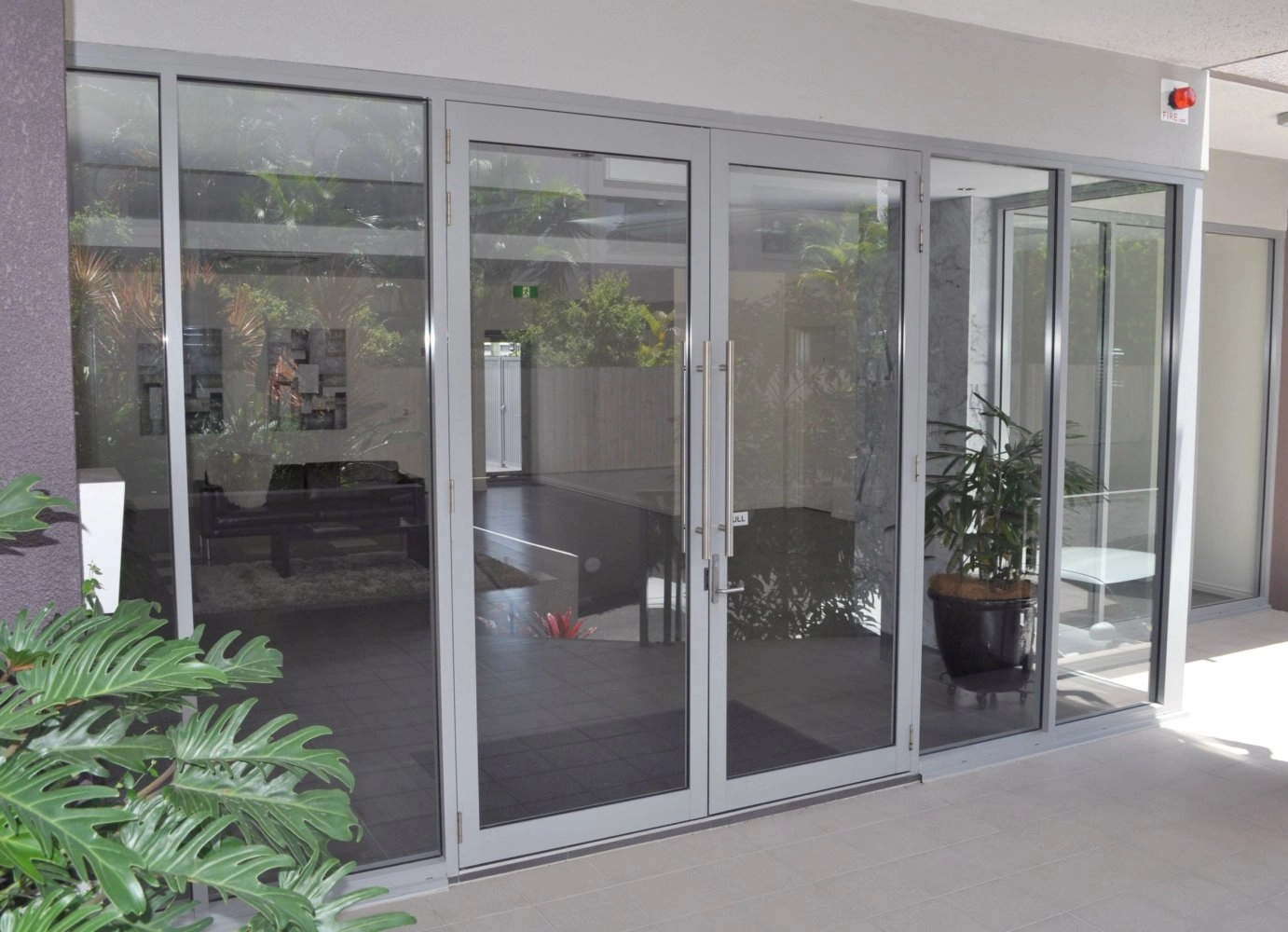
2. Accessible Design Improves Everyday Functionality
Features like:
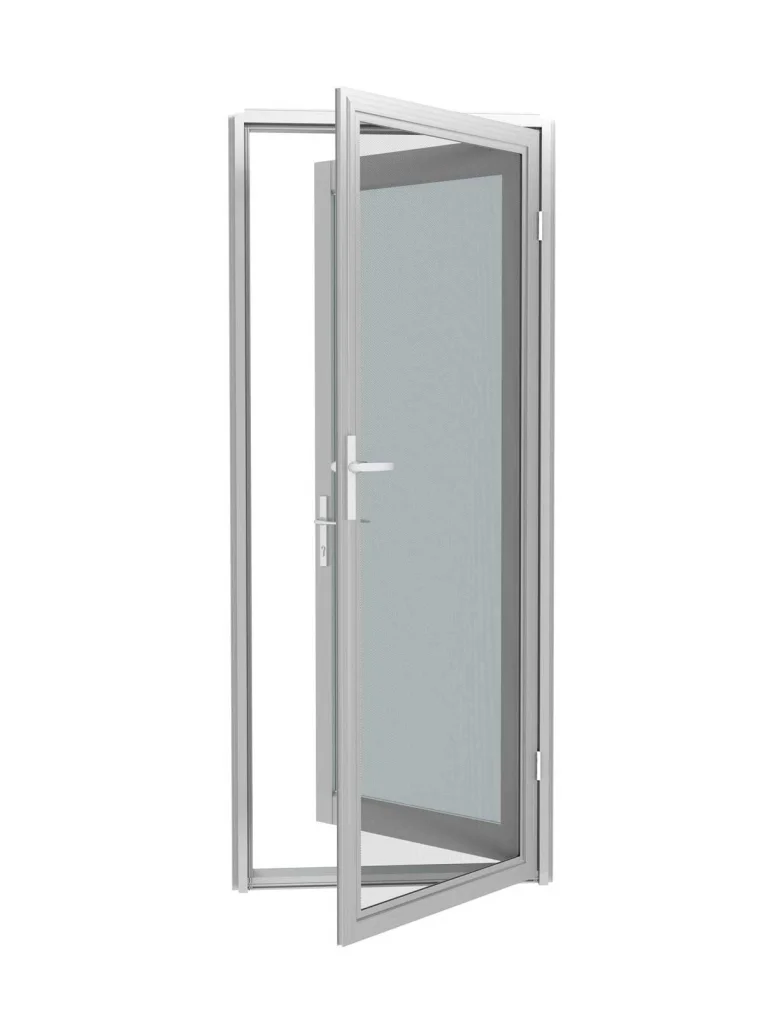
- Wider doorways, such as Larnec’s 1100mm wide Sentry 650.
- Level thresholds
- Better lighting
- Clear circulation space
don’t just benefit people with disabilities — they improve workflow, safety, and efficiency for everyone using the shed.
3. Commercial & Customer-Facing Sheds Need to Be Inclusive
If customers, suppliers, or inspectors visit your shed, accessibility matters. A shed that’s difficult or unsafe to access sends the wrong message and can limit who can engage with your business.
Inclusive design reflects professionalism and social responsibility.
4. Rural & Industrial Environments Still Need Access
There’s a common belief that disability access doesn’t apply in rural, agricultural, or industrial settings. In reality, these environments often pose greater access challenges — uneven ground, heavy doors, poor lighting — making thoughtful design even more important.

Common Misconceptions About Disability Access in Sheds
“It’s only for offices and shopping centres.”
Not true. Many sheds fall under access obligations depending on use.
“It makes sheds more expensive.”
Good access planning usually adds minimal cost when designed early — and can save money later.
“It ruins the rugged look of a shed.”
Modern accessible design can be integrated cleanly into steel shed layouts without compromising durability or aesthetics.
Accessibility as a Smart Design Choice
Disability access shouldn’t be treated as an afterthought or a compliance headache. In steel shed design, it’s an opportunity to create buildings that are:
- Safer
- More adaptable
- More inclusive
- More valuable over time
Whether you’re building a farm shed, workshop, warehouse, or commercial steel structure, considering accessibility from day one leads to better outcomes — for people and for the project.
Get a quote via the link below, and let us help you get it right the first time.