3 Site Prep Problems You’ll Wish You Fixed Earlier
You don’t notice bad site prep straight away. That’s the problem. Everything can look fine in the early stages, especially when there’s movement, noise, and progress. But give it a few weeks, or even a heavy rain, and the cracks start to show. Literally.
A shed project doesn’t fail because of the shed. It fails because of what’s underneath it, around it, and leading up to it. And once those mistakes are locked in, fixing them is expensive, frustrating, and sometimes avoidable.
Why Uneven Ground Keeps Causing Headaches Long After the Slab is Poured
It’s tempting to think a slab solves everything. It doesn’t. A slab simply mirrors what’s happening below it.
If your ground wasn’t properly levelled or compacted, you’re setting up for movement. That might show up as small cracks at first. Then doors stop lining up. Water starts pooling where it shouldn’t. Over time, what felt like a minor shortcut becomes a structural annoyance you can’t ignore.
The real issue is inconsistency. One section of your site might be solid, another slightly softer. That uneven support creates stress points, and your slab reacts accordingly. You don’t see it immediately, but it’s working against you from day one.
Getting the ground right isn’t about making it look flat. It’s about making it behave predictably.
What You Should Check Before Trucks, Materials, and Trades Arrive
Access is where a lot of projects quietly fall apart.
You might assume a delivery truck can “just get in,” but have you actually walked the path it will take? Soft soil, tight turns, low clearance, or even a poorly placed gate can turn a simple delivery into a logistical headache.
Trades don’t just need access. They need workable space. That includes room to move materials, set up equipment, and operate safely. If they’re constantly adjusting because the site isn’t ready, you’re burning time and money.
Drainage is another one people overlook. If water has nowhere to go, it will find somewhere. Usually, the worst possible place. Before anything begins, you should know exactly how water moves across your site, especially after heavy rain.
And then there’s timing. If your site prep isn’t aligned with delivery schedules, you end up with materials arriving too early, too late, or sitting exposed longer than they should.
When Bringing in the Right Equipment Early Saves You a Nasty Reset
There’s a moment in most projects where you realise you’re trying to solve a big problem with small tools. That’s usually when costs start creeping up.
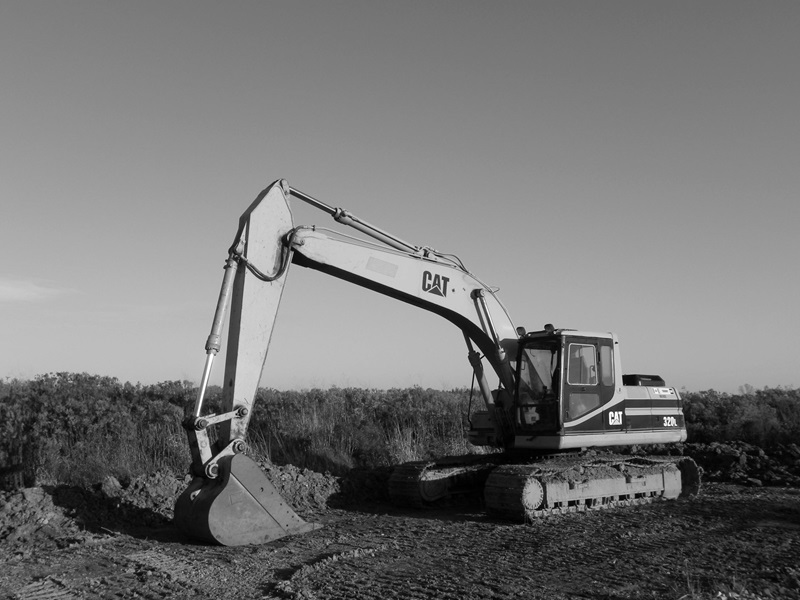
Proper site preparation often requires more than manual effort or basic machinery. This is where earthmoving becomes less of an expense and more of a safeguard. Done early, it gives you control over levels, drainage, and stability in a way that patchwork fixes never can.
Trying to correct issues after the slab is poured is where things get painful. You’re no longer shaping the site. You’re working around fixed structures, which limits your options and increases costs fast.
The right approach early on means fewer surprises later. It also means your trades can do their job without compensating for problems that shouldn’t exist in the first place.
The Part No One Tells You: Small Mistakes Compound Quickly
One uneven patch leads to poor drainage. Poor drainage affects your slab. That affects your structure. Then your doors, your walls, your usability.
It’s never just one issue. It’s a chain reaction.
If you slow down at the start and treat site prep as its own phase, not just a box to tick, you avoid that chain entirely. And that’s where the real savings are. Not just in money, but in time, stress, and rework you’ll never have to deal with.