The Environmental Impact of Improper Waste Disposal
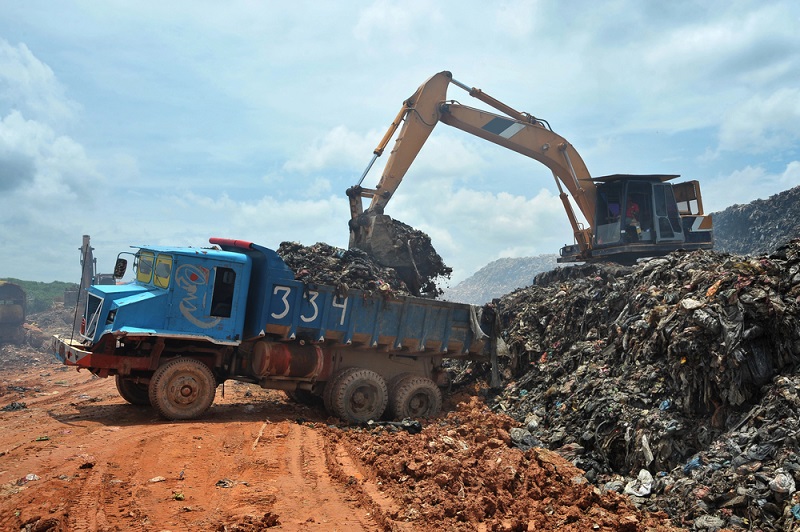
Waste disposal is a daily necessity in modern life, whether it comes from households, businesses, or construction sites. When waste is not managed properly, it can have serious consequences for the environment. Improper waste disposal affects land, water, and air quality, harms wildlife, and contributes to climate change. Understanding these impacts is essential for individuals, communities, and businesses aiming to protect the environment and promote sustainability.
Land Pollution and Soil Degradation
One of the most immediate effects of improper waste disposal is land pollution. When rubbish is dumped in unauthorised areas or landfills are poorly managed, harmful substances can seep into the soil. Household waste, construction debris, and industrial by-products can contain chemicals such as heavy metals, pesticides, and solvents. These chemicals contaminate the soil, reduce fertility, and make it unsuitable for agriculture or natural vegetation.
Soil contamination from improper waste disposal also disrupts natural ecosystems. Plants may absorb toxic substances, which then enter the food chain and affect animals and humans. In addition, piles of waste attract pests and vermin, creating further ecological imbalance and potential health hazards.
Water Pollution
Water pollution is another major consequence of poor waste management. When waste is left exposed to rain or stormwater, chemicals and debris can be carried into rivers, lakes, and oceans. Pollutants such as plastics, chemicals, and heavy metals harm aquatic life, reduce water quality, and threaten the safety of drinking water supplies.
Plastics are a particular concern because they do not biodegrade easily. They break down into microplastics that persist in the environment for decades. These tiny particles are consumed by fish, birds, and other marine creatures, eventually making their way into the human food chain. Wastewater from untreated industrial or chemical waste can also introduce toxic substances into rivers and coastal areas, killing fish and destroying habitats.
Air Pollution
Improper waste disposal affects air quality as well. Waste that is burnt in open spaces or poorly managed landfill sites releases harmful gases into the atmosphere. Carbon dioxide and methane are significant contributors to climate change. Methane is particularly potent because it has a much higher global warming potential than carbon dioxide.
Burning waste can also release toxic fumes, including dioxins, furans, and particulate matter. These pollutants contribute to respiratory problems, cardiovascular diseases, and other health issues in humans. Communities living near poorly managed landfill sites or open burning areas are especially vulnerable to these effects.
Impact on Wildlife and Ecosystems
Wildlife is severely affected by improper waste disposal. Animals can become entangled in plastic waste, ingest hazardous substances, or mistake rubbish for food. This can lead to injury, poisoning, or death. For example, marine animals often ingest plastic bags, mistaking them for jellyfish, which causes blockages in their digestive systems. Birds can ingest small plastic fragments, which accumulate in their stomachs and reduce their ability to absorb nutrients.
Ecosystems also suffer when waste disrupts natural habitats. Soil contamination, water pollution, and the spread of invasive species via waste accumulation can alter the balance of local ecosystems. This can result in the loss of native species and reduced biodiversity, affecting the resilience and sustainability of the environment.
Contribution to Climate Change
Improper waste disposal contributes significantly to climate change. Landfills generate methane, a greenhouse gas that is many times more potent than carbon dioxide. Open burning of waste releases carbon dioxide and other pollutants into the atmosphere. The extraction and production of materials that are wasted also consume energy and resources, further increasing greenhouse gas emissions.
By failing to manage waste properly, individuals and organisations inadvertently increase their carbon footprint and accelerate global warming. Sustainable waste management practices are crucial to reducing greenhouse gas emissions and mitigating the effects of climate change.
Economic and Social Impacts
The environmental consequences of improper waste disposal also carry economic and social costs. Contaminated land may require expensive remediation before it can be used for agriculture or construction. Polluted water sources increase the costs of water treatment and limit access to safe drinking water. Health problems caused by air and water pollution place a burden on healthcare systems and reduce quality of life.
In addition, communities affected by visible waste pollution, foul odours, and increased pests may experience reduced property values and diminished social wellbeing. Poor waste management can undermine public confidence and make areas less attractive for residents, businesses, and tourists.
Ways to Minimise Environmental Impact
Preventing the environmental damage caused by improper waste disposal requires proactive management strategies. The first step is reducing the amount of waste generated. Thoughtful consumption, purchasing only what is needed, and choosing products with minimal packaging all help to limit waste at the source.
Recycling and repurposing materials are key methods of reducing environmental impact. Plastics, metals, glass, paper, and cardboard can often be recycled multiple times, conserving resources and reducing landfill use. Construction and industrial waste can also be recycled or reused in other projects, reducing the need for new materials.
Proper segregation of waste is essential for effective disposal. Hazardous materials such as paints, chemicals, batteries, and electronic waste should be separated from general waste and collected by licensed disposal services. This prevents harmful substances from entering soil, water, and air.
Community education and awareness programs also play a vital role. Teaching residents and businesses about the consequences of improper waste disposal and providing information on recycling, composting, and safe disposal methods encourages responsible behaviour.
Role of Government and Regulation
Governments play a crucial role in preventing environmental damage from waste. Regulations and policies set standards for waste disposal, landfill management, and hazardous material handling. Licensed waste collection services, monitoring of industrial sites, and enforcement of penalties for illegal dumping all contribute to environmental protection.
Investments in recycling infrastructure, public waste facilities, and hazardous waste collection centres make it easier for communities and businesses to dispose of waste safely. By following regulations and supporting government initiatives, individuals and organisations can significantly reduce the environmental impact of waste.
The Importance of Individual Responsibility
While governments and businesses play a key role, individual responsibility is equally important. Each person can contribute to environmental protection by disposing of waste correctly, reducing unnecessary consumption, recycling whenever possible, and avoiding littering. Small changes in daily habits collectively make a significant difference in preserving the environment for future generations.
Conclusion
Improper waste disposal has far reaching consequences for the environment. Land, water, and air are all affected, with pollution threatening ecosystems, wildlife, and human health. Climate change is exacerbated by the greenhouse gases released from decomposing and burned waste. Economic and social costs are also significant, with contaminated land, polluted water, and health problems placing burdens on communities and governments.
Minimising the environmental impact of waste requires a combination of strategies. Reducing waste at the source, recycling and repurposing materials, proper segregation of hazardous substances, and safe disposal are essential steps. Governments, businesses, and individuals all have a role to play in ensuring waste is managed responsibly.
By understanding the consequences of improper waste disposal and taking proactive measures, it is possible to protect the environment, conserve resources, and promote sustainable living. Responsible waste management is not only an environmental necessity but also a commitment to the health, wellbeing, and prosperity of present and future generations.