Powering the Modern Australian Shed: How Solar Is Redefining Backyard Spaces in Brisbane
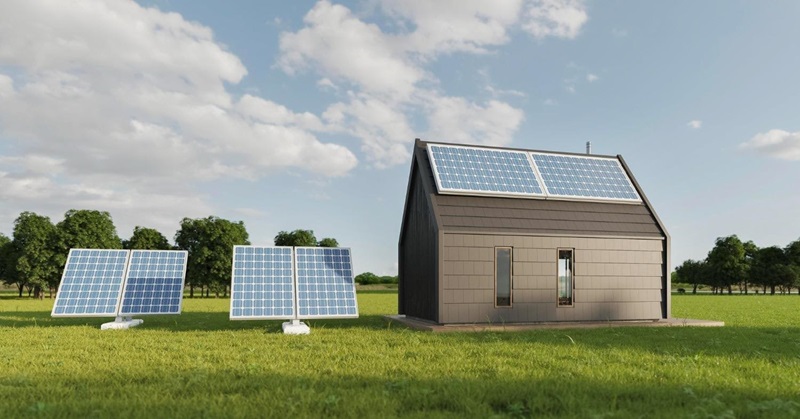
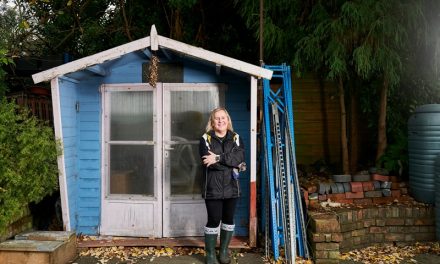
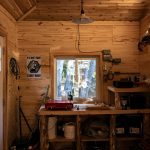
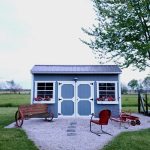
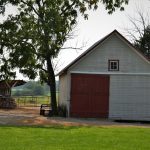
In Brisbane, the backyard shed has quietly evolved from a simple storage unit into something far more dynamic. Once reserved for tools, lawn equipment, and the occasional weekend project, sheds are now being reimagined as fully functional extensions of the home. They serve as workshops, creative studios, home gyms, and even remote offices. This shift reflects broader changes in how Australians use their living space, seeking flexibility, independence, and efficiency.
At the centre of this transformation is solar energy. With Brisbane’s abundant sunshine and growing focus on sustainability, solar-powered sheds are becoming an increasingly practical and attractive solution for homeowners who want to maximise the potential of their property without significantly increasing their energy bills.
The Shift From Storage to Purpose-Built Spaces
The modern shed is no longer an afterthought. For many Brisbane homeowners, it represents an opportunity to create a dedicated space that supports work, hobbies, or wellbeing without interfering with the main household environment. This separation has become especially valuable as remote work and flexible lifestyles continue to reshape daily routines.
A backyard workshop equipped with power tools, lighting, and ventilation requires reliable energy. Similarly, a home office or studio needs consistent electricity for computers, internet connectivity, and climate control. Traditionally, this meant extending the home’s electrical system, often involving trenching, wiring, and increased reliance on grid power. Solar changes that equation entirely.
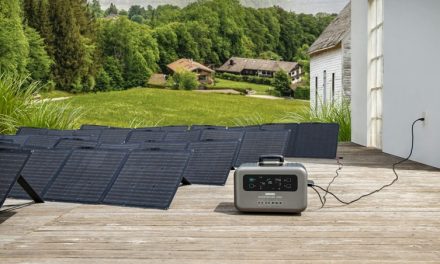
By integrating solar panels directly onto the shed roof, homeowners can generate energy where it is used. This not only reduces installation complexity but also creates a level of energy independence that aligns with modern expectations around efficiency and resilience.
Why Brisbane Is Ideal for Solar-Powered Sheds
Few Australian cities are as well-suited to solar adoption as Brisbane. With high levels of year-round sunshine, the region provides consistent solar generation potential, making it a logical choice for powering secondary structures like sheds.
The local climate also supports outdoor living and year-round use of backyard spaces. Unlike colder regions where sheds may sit idle for months, Brisbane sheds are often active environments throughout the year. Whether used for DIY projects, fitness, or business activities, they benefit from a reliable and cost-effective energy source.
In this context, solar is not just an environmentally conscious choice, it is a practical one. It allows homeowners to expand the functionality of their property without proportionally increasing energy costs, which is particularly relevant given rising electricity prices across Queensland.
Designing a Shed With Solar in Mind
To get the most from a solar-powered shed, planning needs to happen early. Orientation, roof pitch, and available surface area all influence how effectively solar panels will perform. North-facing roofs are generally ideal in Australia, but east- and west-facing setups can also provide strong output depending on usage patterns.
Energy needs should also be carefully considered. A simple storage shed with lighting requirements will differ significantly from a workshop running heavy equipment or a studio with climate control. Understanding these needs helps determine the size of the solar system, whether battery storage is necessary, and how energy will be distributed throughout the space.
Ventilation, insulation, and wiring layout also play a role. A well-designed shed reduces energy demand in the first place, allowing the solar system to operate more efficiently. This holistic approach ensures that the structure is not only powered sustainably but also comfortable and functional in everyday use.
Choosing the Right Solar Expertise
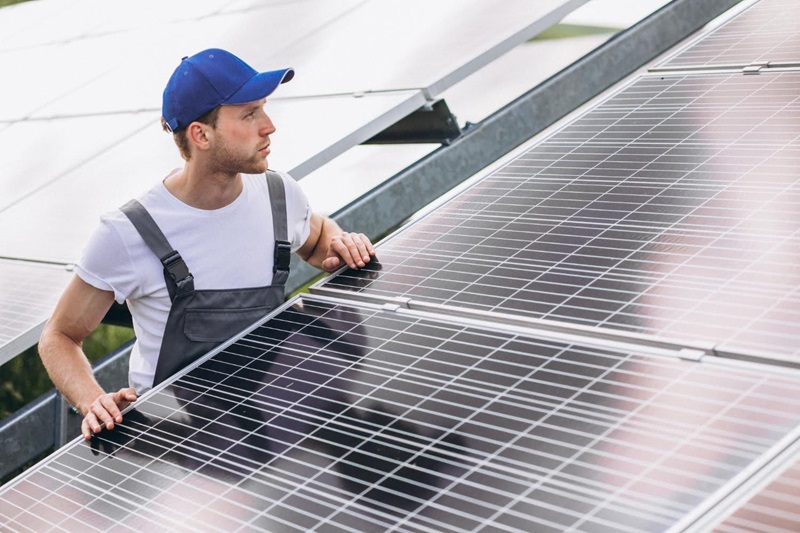
While some aspects of shed construction can be handled as DIY projects, solar installation requires professional expertise. Electrical safety, system optimisation, and compliance with local regulations all demand a high level of technical knowledge.
For homeowners planning this kind of upgrade, working with experienced Solar Installers Brisbane ensures that the system is tailored to both the structure and its intended use. Local installers understand regional conditions, council requirements, and the nuances of Queensland’s energy landscape, which can make a significant difference in both performance and long-term reliability.
Professional input also helps future-proof the setup. As energy needs evolve, whether through additional equipment, battery integration, or smart energy systems, a well-designed installation can adapt without requiring major modifications.
What the Data Says About Solar Adoption in Australia
The growing popularity of solar energy is not limited to individual projects like sheds. Across Australia, adoption has reached significant levels, reflecting both environmental awareness and economic considerations.
According to the Clean Energy Council, millions of Australian households have already installed rooftop solar systems, making the country one of the global leaders in small-scale solar uptake. This trend highlights a broader shift towards decentralised energy generation, where homeowners take a more active role in managing their electricity use.
For Brisbane residents, this context reinforces the value of integrating solar into all aspects of the property, not just the main house. Extending solar capability to backyard structures aligns with national trends while delivering tangible benefits at the household level.
Cost Efficiency and Long-Term Value
One of the most compelling reasons to power a shed with solar is cost efficiency. While there is an upfront investment, the ability to generate electricity independently reduces ongoing reliance on grid power. Over time, this can lead to meaningful savings, particularly for sheds that are used frequently or require energy-intensive equipment.
Battery storage can further enhance this value by allowing excess energy to be stored and used when needed. This is especially useful for evening use or during periods of lower sunlight. While not essential for every setup, it adds flexibility and resilience to the system.
Beyond direct savings, solar-powered sheds can also contribute to property value. As buyers become more conscious of energy efficiency and sustainability, features like solar integration are increasingly seen as desirable assets rather than optional extras.
Supporting Sustainable Living in Everyday Spaces
Sustainability is often discussed in broad terms, but its impact is most meaningful at the household level. By choosing to power a shed with solar, homeowners are taking a practical step towards reducing their environmental footprint without compromising functionality.
This approach aligns with a growing awareness of how everyday choices contribute to larger environmental outcomes. Generating clean energy on-site reduces demand on the grid and lowers emissions associated with traditional power sources.
Importantly, it also demonstrates that sustainability does not require sacrificing convenience or comfort. On the contrary, solar-powered sheds often offer greater flexibility and independence than their grid-dependent counterparts.
The Future of Backyard Spaces
As technology continues to evolve, the potential of solar-powered sheds will only expand. Smart energy systems, improved battery storage, and more efficient solar panels are making it easier than ever to create self-sufficient spaces within residential properties.
In Brisbane, where climate and lifestyle already support outdoor living, this evolution feels particularly natural. The backyard shed is no longer a secondary structure, it is an opportunity. An opportunity to create, to work, to relax, and to do so in a way that is both efficient and forward-thinking.
The transformation of the Australian shed reflects a broader shift in how space, energy, and lifestyle intersect. In Brisbane, solar energy is playing a central role in this change, turning simple backyard structures into versatile, high-performing environments.
By combining thoughtful design with reliable solar solutions, homeowners can unlock the full potential of their sheds while reducing costs and supporting sustainable living. It is a practical evolution, one that aligns with both current needs and future expectations.