Modular vs. Shed Conversion: The Real Cost and Compliance Comparison for a Liveable Dwelling
If you have been looking at liveable sheds or shed conversions, there is another option worth comparing before you commit. Here are the numbers most people do not see until they are already halfway in.
The idea is appealing. Buy a steel shed kit for $15,000 to $25,000, line it, plumb it, wire it, and you have got yourself somewhere to live. Compared to the cost of a traditional build, that sounds like a good deal.
But if you have started doing the research, you have probably already hit the catch. The moment you want to sleep in a shed, cook in it, or call it home, you cross from Class 10a into Class 1a territory under the National Construction Code. And that changes the maths significantly.
This article compares the two paths to a liveable dwelling on your land: converting a shed, or buying a purpose-built modular home. Both can get you there. The question is which route makes more sense for your situation, your site, and your actual total budget.

What Class 1a requires (and what it really costs)
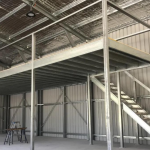
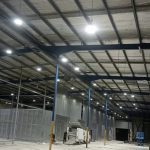
A standard steel shed is classified as Class 10a. That covers non-habitable buildings like garages, carports, and storage sheds. The moment you intend to live in it, council and your certifier will require it to meet Class 1a, which is the same residential standard as any house in Australia.
Most people know the headline requirements: minimum 2.4m ceiling height for habitable rooms, proper insulation, waterproofing to AS 3740, electrical to AS/NZS 3000, and an approved septic or sewer connection. But the full list of what needs to happen, and what it costs, is longer than most people expect.
Here is an itemised example for converting a standard 60m² steel shed into a liveable one-bedroom dwelling in regional Queensland:
| Item | Estimated Cost |
| Shed kit (60m², 3m wall height) | $18,000 – $25,000 |
| Slab (if not already poured to Class 1a spec) | $8,000 – $15,000 |
| Shed erection (if not DIY) | $3,000 – $6,000 |
| Shell subtotal | $29,000 – $46,000 |
| Insulation (walls + ceiling, bulk + vapour barrier) | $4,000 – $7,000 |
| Internal lining (plasterboard, cornice, painting) | $6,000 – $10,000 |
| Electrical (full residential wiring, switchboard, smoke alarms) | $6,000 – $10,000 |
| Plumbing (kitchen, bathroom, laundry, hot water) | $8,000 – $14,000 |
| Bathroom fit-out (waterproofing, tiling, fixtures) | $5,000 – $10,000 |
| Kitchen fit-out (cabinetry, benchtop, appliances) | $5,000 – $12,000 |
| Flooring | $2,000 – $5,000 |
| Windows and doors (if upgrading from shed-grade) | $3,000 – $6,000 |
| Septic or sewer connection | $3,000 – $8,000 |
| Fit-out subtotal | $42,000 – $82,000 |
| Development Application (if required by council) | $1,500 – $5,000 |
| Private certifier fees | $2,000 – $4,000 |
| Plumbing application (separate council step) | $300 – $600 |
| Engineering certification (Class 1a structural) | $1,500 – $3,000 |
| Approvals subtotal | $5,300 – $12,600 |
| Total estimated range | $76,300 – $140,600 |
That is the range for a reasonably straightforward site with mains power and water available. If you are on a rural block with no sewer, need a septic system, or have a long power run, add $5,000 to $15,000 on top. And this assumes you are project-managing the trades yourself. If you hire a builder to coordinate, add another 15-20%.
The shed kit that started at $20,000 is now sitting between $76,000 and $140,000 all-in. And that is before the part nobody warns you about.
The halfway-through problem
The most expensive shed conversion is the one you discover cannot be certified. If your slab was poured to Class 10a spec (common with standard sheds), your certifier may require it to be upgraded or replaced before signing off on Class 1a occupancy. That is a problem you do not discover until you are already committed.
This is the risk that does not show up in the budget spreadsheet. You are $50,000 into the conversion when the certifier flags something: the slab does not have a vapour barrier. The frame engineering was calculated for Class 10a wind loads, not Class 1a residential loads. The ceiling height is 2.35m in one section, which is 50mm short of the minimum for a habitable room.
Each of these is fixable, but fixing them mid-build costs significantly more than getting them right from the start. Upgrading a slab after the frame is up is not a minor job. Re-engineering a frame after cladding adds weeks and thousands. These are the costs that turn a $100,000 project into a $140,000 project.
This is the structural difference between converting a building that was designed to store things and building one that was designed to house people. They start in different places, and the gap has to be closed somehow.

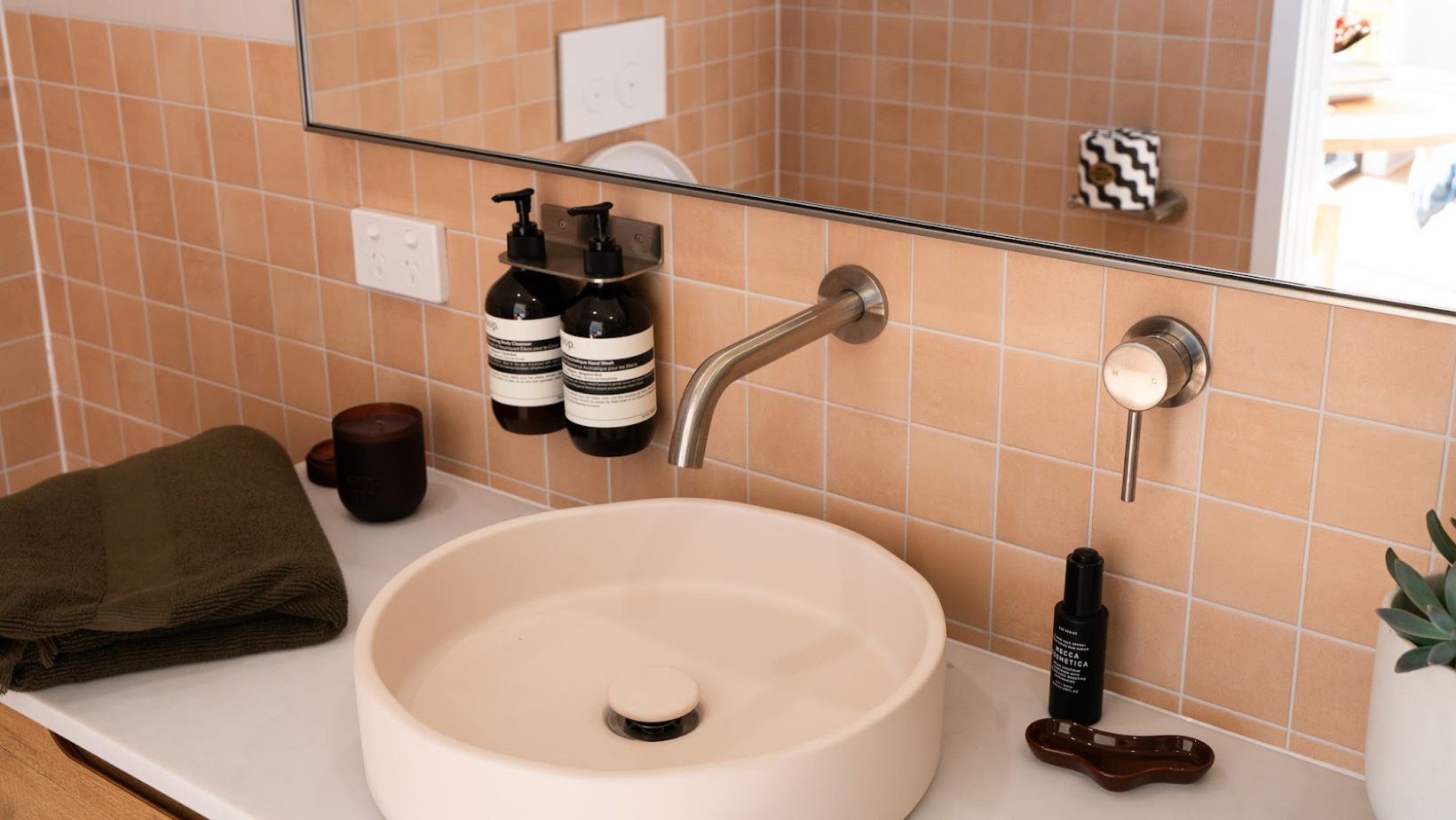
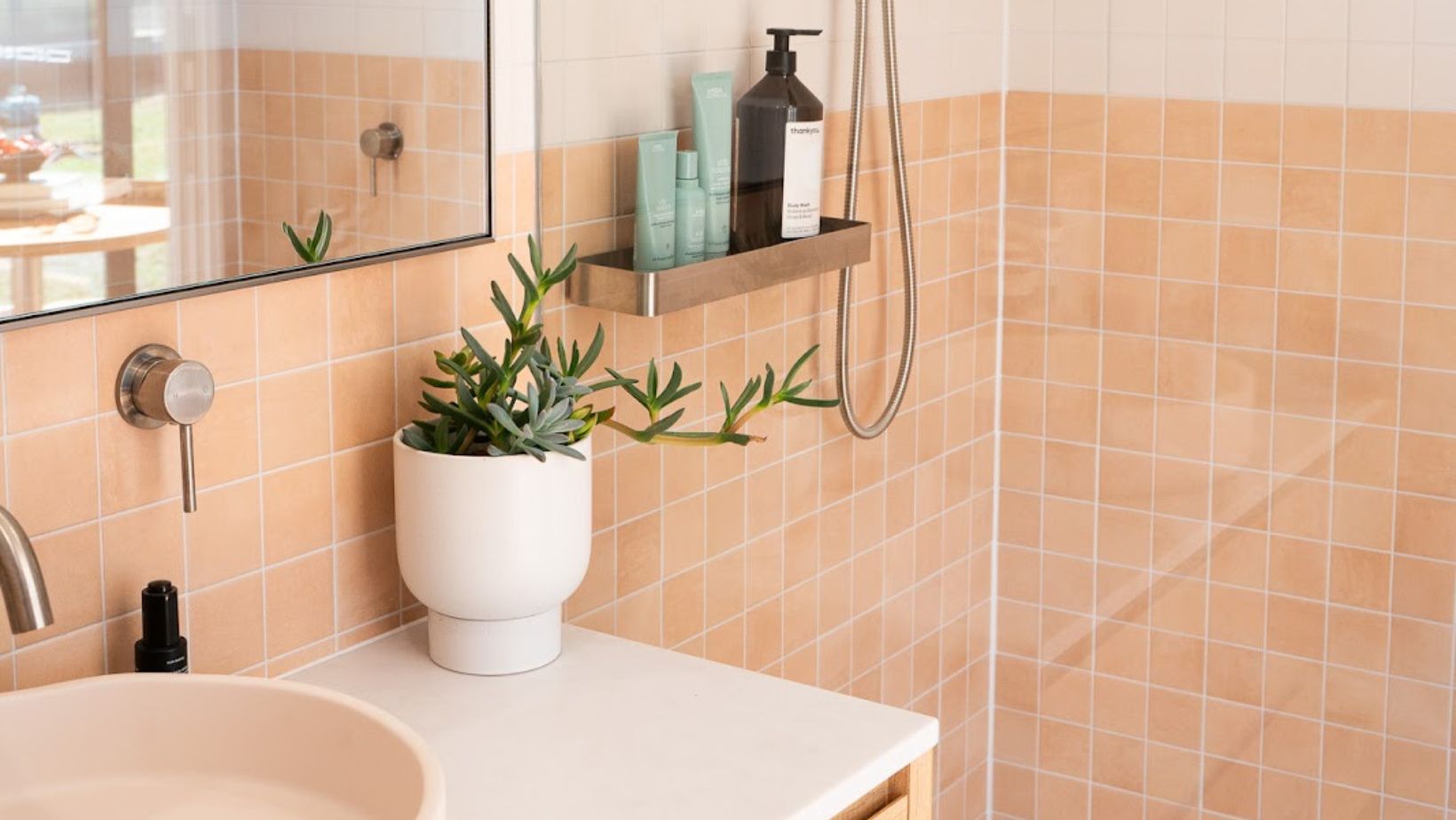
What a purpose-built modular home costs
A modular home takes the opposite approach. Instead of buying a shell and converting it into a dwelling, you buy a completed dwelling that arrives ready.
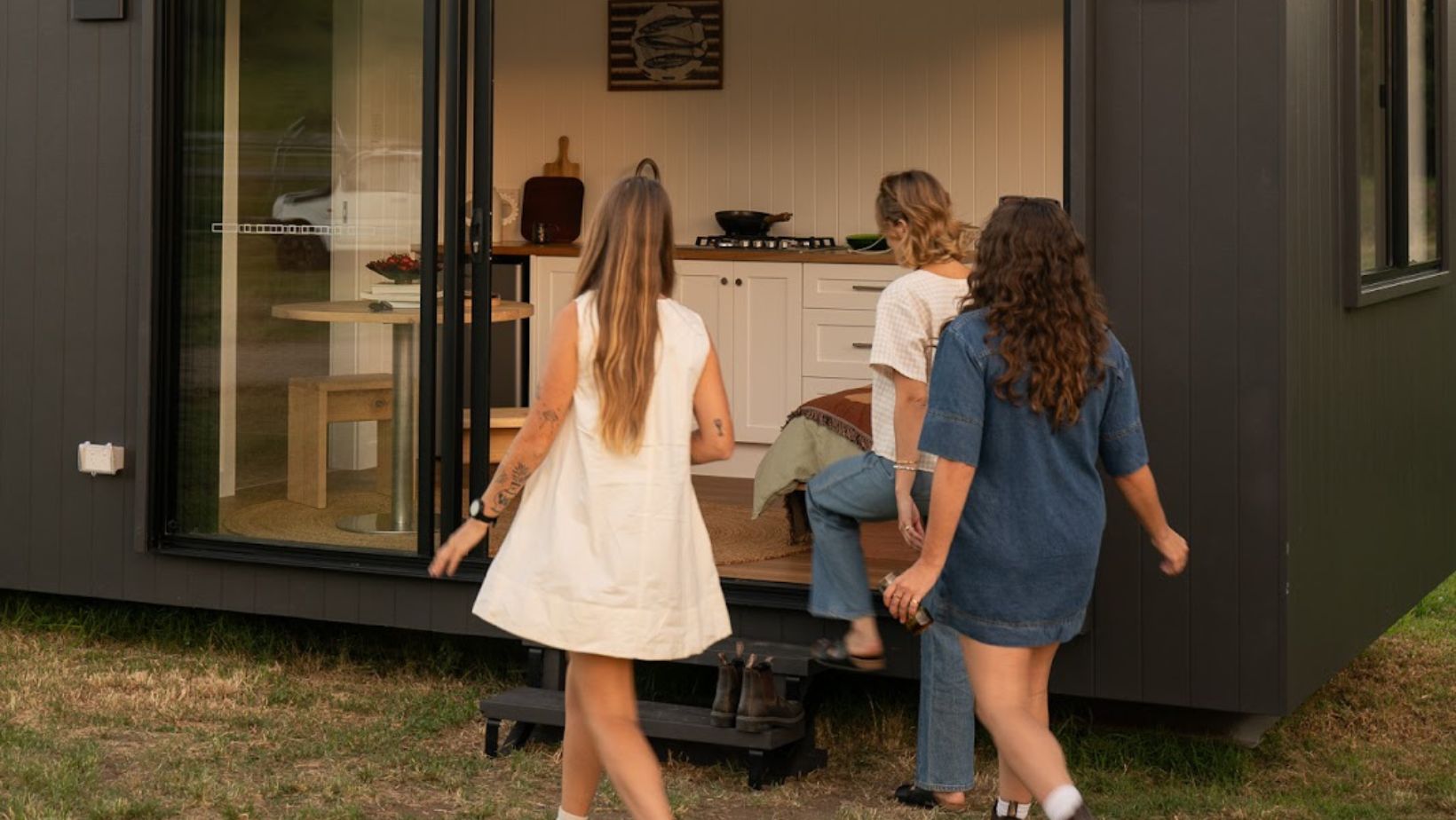
The module is built in a factory to Class 1a standard from the ground up. Steel or timber frame, insulation, waterproofing, electrical, plumbing, kitchen, bathroom, flooring, and interior lining are all done before it leaves the factory floor. It is transported to your site by truck and craned into position. The on-site work is limited to final connections (power, water, sewer) and any site preparation.
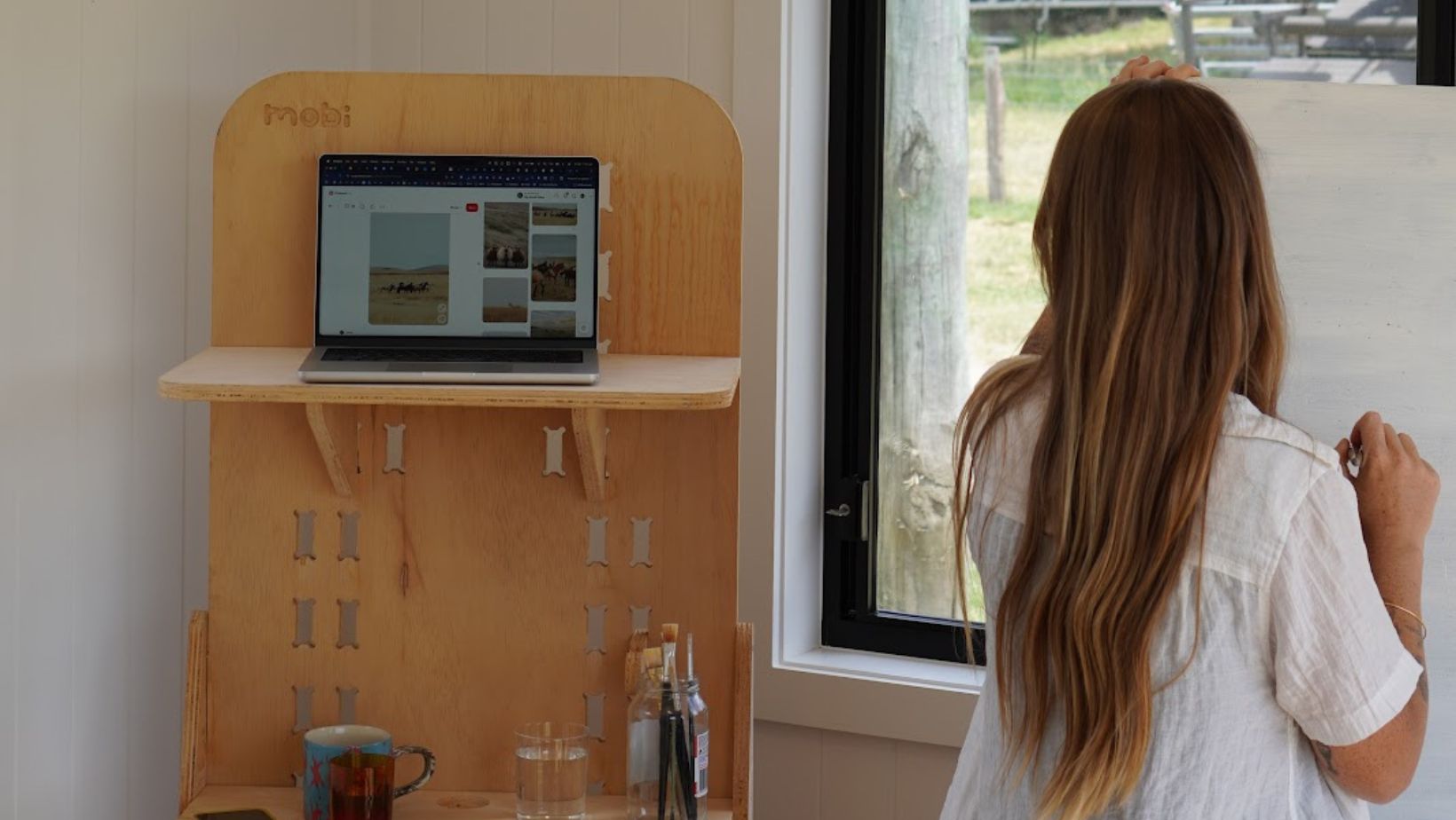
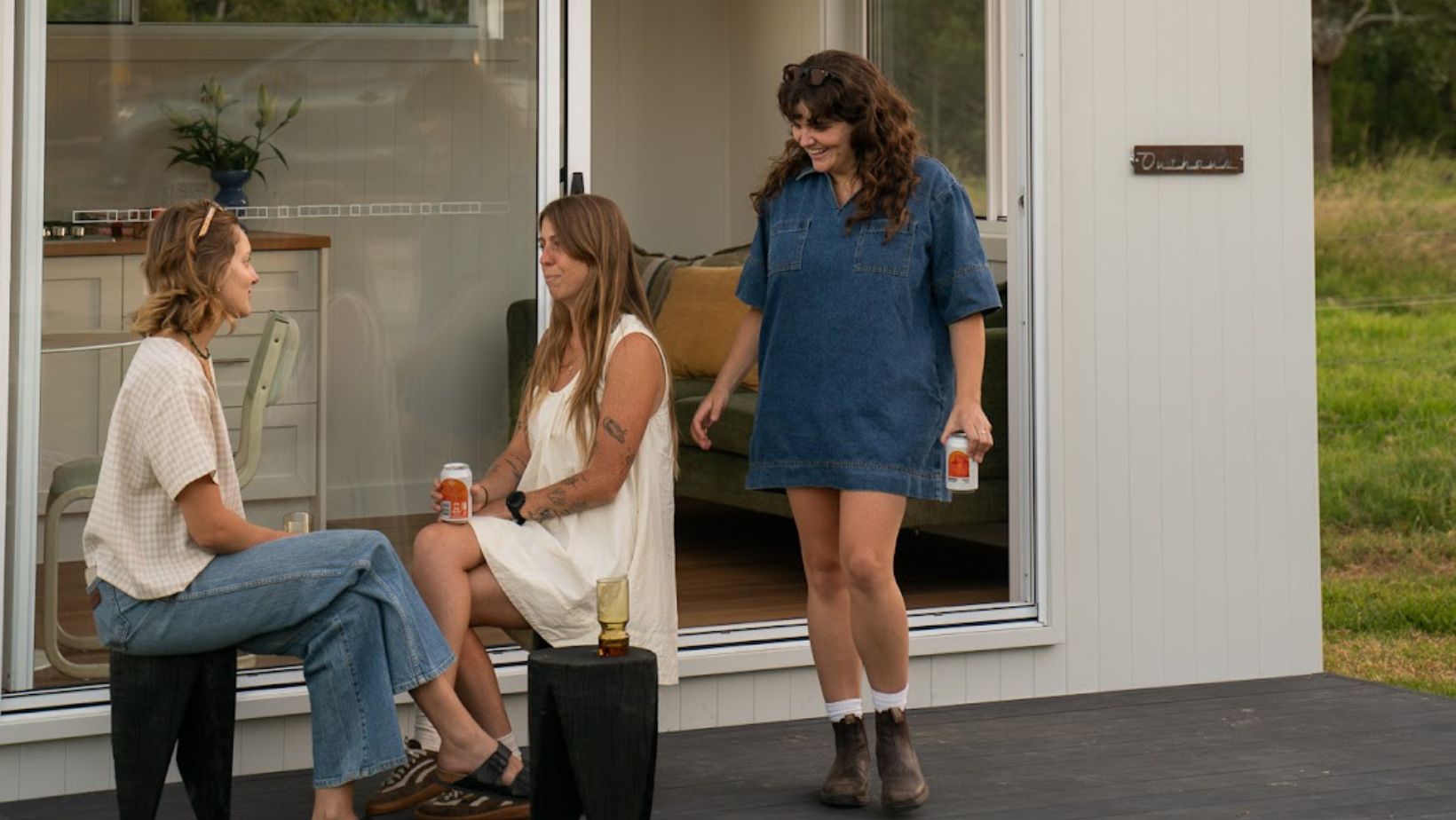
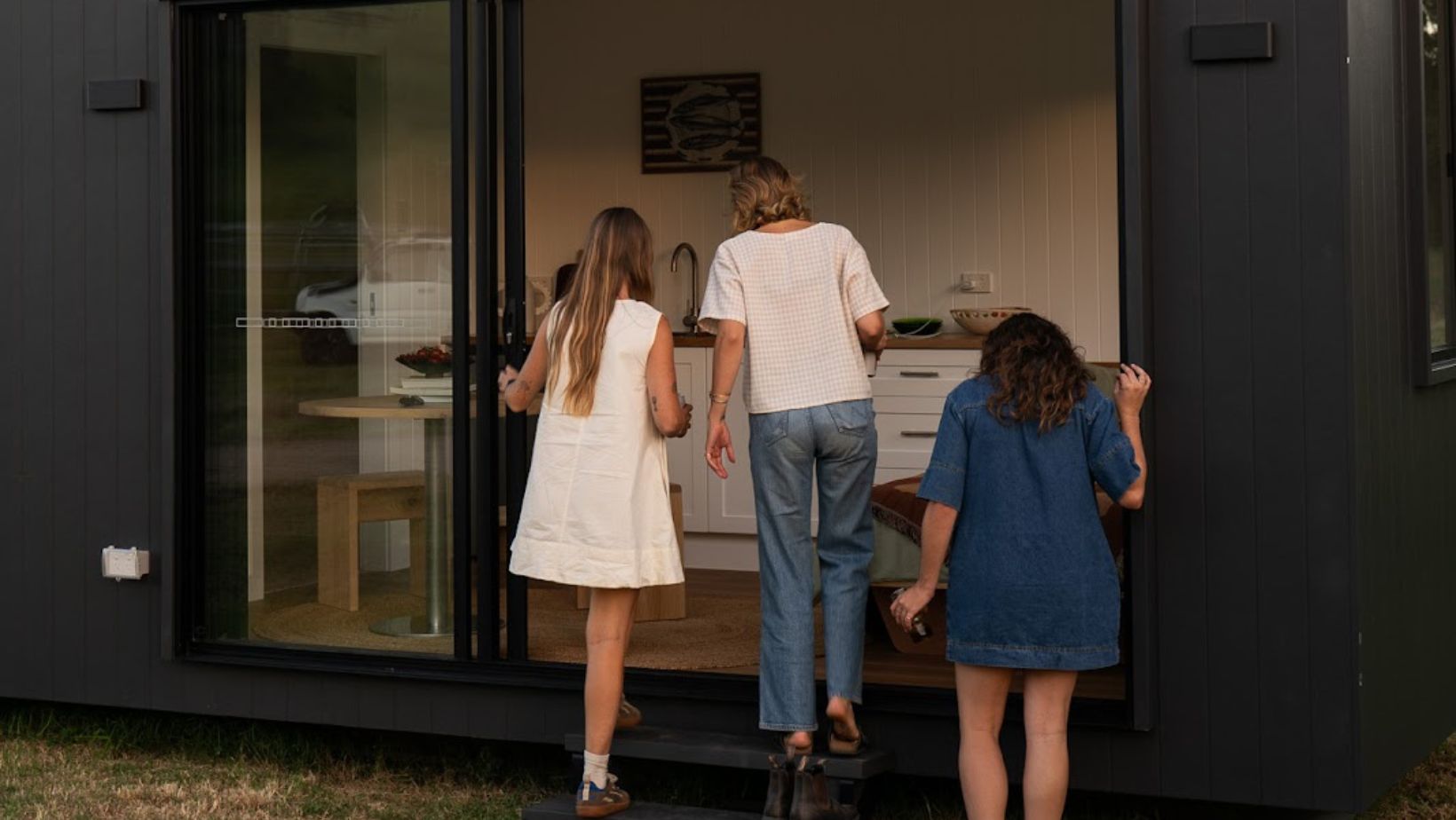
To give you real numbers, Outhaus is one company building modular homes in South East Queensland and delivering nationally. Their range runs from a compact 16m² studio at $121,000 through to a full two-bedroom, 54m² home at $211,000. Those are module prices. On top of that, you need to budget for site preparation, transport, crane hire, council and certifier fees, and final connections.
For a straightforward site within 100km of a capital city, typical all-in costs land somewhere between $150,000 and $250,000 depending on the model and site complexity. For regional or remote sites, transport adds cost, but the module price stays the same.
That is more than a shed kit. No question. But compare it against the true all-in cost of a shed conversion ($76,000 to $140,000+), not just the kit price.
The angle most people miss: insurance, finance, and property value
This is where the comparison shifts, and it is the part almost nobody talks about.
Bank valuations. A certified Class 1a dwelling, whether it is a modular home or a site-built house, is recognised by banks as a residential structure. It adds to your property’s assessed value. It shows up on the valuation. An uncertified or partially certified shed conversion may not. If the certifier has not signed off, or if the conversion was done without a DA, the bank may value your property as if the shed is still just a shed. You have spent $100,000+ and it has added nothing to your borrowing capacity.
Insurance. A Class 1a dwelling can be insured as a residential building. Standard home and contents policies apply. A shed conversion sits in greyer territory. If your insurer discovers you are living in a structure that is classified as Class 10a, or was converted without proper certification, your claim may be rejected. Some insurers will not cover habitable use of a Class 10a structure at all.
Finance. You can get a construction loan for a certified modular home the same way you would for a site-built house. Trying to finance a shed conversion is harder. Most lenders will not provide a construction loan for converting a non-habitable structure. You are likely funding the conversion from savings or personal loans at higher rates.
The bottom line: A certified modular home is a bankable asset from day one. A shed conversion only becomes one if it gets fully certified, and that certification depends on every trade, every material, and every inspection going right across a project you are managing yourself.
Side-by-side comparison
| Factor | Shed Conversion | Purpose-Built Modular |
| Starting material cost | $15,000 – $25,000 | $121,000 – $211,000 |
| Realistic all-in cost | $76,000 – $140,000+ | $150,000 – $250,000 |
| Build timeline | 3-12 months (trade dependent) | 6-12 weeks factory + 1-2 weeks on site |
| Compliance pathway | Retrofit Class 10a to Class 1a | Built to Class 1a from the start |
| Certification risk | Depends on slab, frame, every trade | Factory-controlled, single responsibility |
| Bank valuation impact | Only if fully certified. Otherwise, zero. | Recognised as residential from day one |
| Insurance | Grey area without full Class 1a | Standard residential cover applies |
| Finance options | Difficult. Personal loans or savings. | Construction loan eligible |
| Insulation and energy | Depends entirely on what you install | Factory-controlled, consistent quality |
| DIY flexibility | High. You control every decision. | Low. Module arrives as designed. |
| Site disruption | Months of on-site trade activity | Crane day + connections (days, not months) |
| Resale value | Variable. Depends on quality + certification. | Adds a certified dwelling to property |
When a shed conversion still makes sense
This is not a one-size-fits-all decision, and there are cases where converting a shed is the right call.
If you already own a structurally sound shed with a Class 1a-compliant slab, good ceiling height, and engineered frame, you have a genuine head start. The shell cost is already behind you, and the fit-out becomes the main expense. If you have reliable trades and enjoy managing a build, the conversion path gives you full control over every material choice and layout decision. And if your total budget is firmly under $100,000, a carefully managed shed conversion may be the only path to a liveable dwelling on your land.
The conversion route rewards people who are hands-on, patient, and comfortable managing a build project across multiple trades over several months. If that is you, and you go in with realistic cost expectations, it can work well.

How to decide
Three questions worth asking before you commit to either path:
- What is my real total budget? Not the kit price. The all-in number including every trade, every fee, every connection, and a 15% contingency for the things you have not thought of yet. If the honest all-in cost of a shed conversion is pushing past $100,000, a modular home in the $150,000 to $180,000 range starts looking like a different kind of value.
- Do I need this to be a bankable asset? If the dwelling needs to add to your property value for refinancing, rental income, or eventual sale, full Class 1a certification is non-negotiable. A purpose-built modular home arrives with that certification built in. A shed conversion only achieves it if everything goes right and the certifier signs off at the end.
- Am I prepared to project-manage a build? A shed conversion means coordinating 6 to 8 different trades over several months, managing inspections, chasing certifiers, and dealing with whatever surprises the slab or frame throw up. If that sounds like your Saturday, go for it. If it does not, a modular home removes that entire layer.
If you want to get a realistic number for your specific site before committing, companies like Outhaus offer a client guide that walks through the full process, pricing, and what to expect. It is worth reading alongside whatever shed conversion quotes you are comparing against.
Get the full picture before you commit
The Outhaus Client Guide covers models, pricing, the approvals process, and what to expect at every stage.