How Precision Laser Cutting Services Make Intricate Metalwork Possible
Manufacturing has always leaned on precision, but the way it achieves it has shifted quite dramatically. Traditional metalworking once depended on force and contact, methods that got the job done yet often struggled with finer detail.
That said, if you are looking for precision laser cutting services in Melbourne, it helps to choose a provider with a steady track record and the right technical capability. This will not only help you avoid material wastage but also deliver the results you need in all your projects, especially when working with precision sheet metal cutting solutions.
How Highly Focused Laser Energy Works
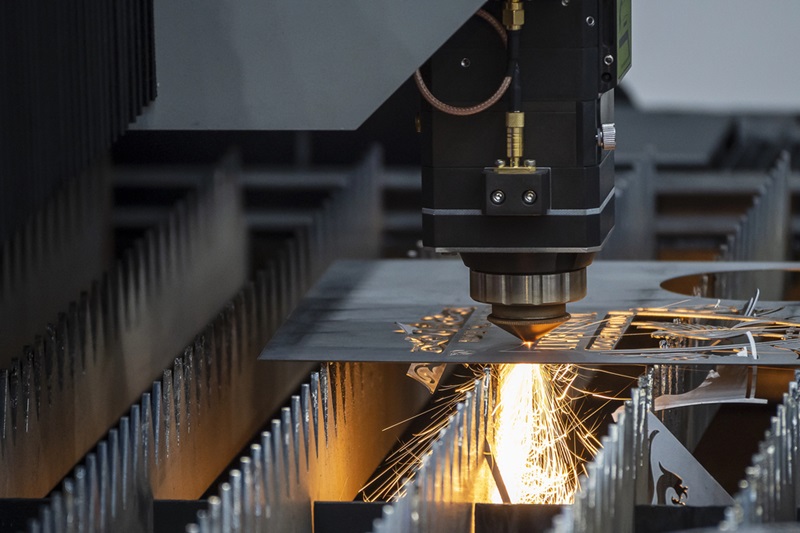
A laser cutter does something deceptively simple. It concentrates energy into a pinpoint and lets heat do the heavy lifting. When that beam meets metal, it melts or vaporises a tiny section instantly, leaving the surrounding areas largely untouched. That matters more than it might seem at first glance.
Heat distortion used to be a constant headache. Sheets would warp, edges would need reworking, and tolerances would drift. With a focused beam, those issues fade into the background. The cut stays tight, and the material behaves. And because the process never involves physical contact, there is no tool wear to worry about, no gradual dulling that compromises accuracy halfway through a job.
Why Computer-Guided Systems Deliver Remarkable Accuracy
The real turning point comes from how lasers are controlled. These machines follow digital instructions, often pulled straight from CAD files, with a level of discipline no manual method could match. Every curve, every cutout, every fine detail is mapped before the machine even starts.
There is something reassuring about that consistency. The first component looks identical to the last, whether you are producing ten pieces or ten thousand. In industries where tolerances are tight and assembly depends on exact alignment, that kind of repeatability becomes the baseline.
Additionally, designers are free to sketch ideas without second-guessing whether a machine can actually produce them. The translation from screen to metal feels almost direct, with very little lost along the way.
Adapting Cutting Techniques To Different Metal Types
Not all metals behave the same under heat. Aluminium reflects energy, stainless steel absorbs it differently, and brass can be particularly tricky if handled poorly. Laser systems account for this by adjusting parameters with precision rather than guesswork.
Power levels shift, assist gases change, and speeds are tweaked. The operator, or increasingly the software itself, fine-tunes these variables so the material responds as expected. The outcome is a clean edge, minimal residue, and a surface that rarely needs further attention.
That reduction in post-processing q improves efficiency. Less grinding, minimal sanding, and fewer delays between stages. It all adds up, especially in larger production runs where small time savings compound quickly.
Expanding Creative Possibilities Through Modern Fabrication Methods
There is a creative side to all of this that often gets overlooked. When technical constraints ease, design tends to flourish. Intricate patterns, delicate latticework, and complex internal geometries become viable options rather than risky experiments.
Architectural panels are a good example. Patterns can be as detailed as a piece of artwork, yet still structurally sound. The same goes for custom components in automotive or industrial settings, where both form and function need to align.
Best of all, designers can test ideas, adjust them, and test again without committing to expensive tooling. That flexibility shortens development cycles and encourages a bit more experimentation along the way.
Final Thoughts
Looking ahead, the trajectory feels clear enough. Laser systems are becoming more refined, more automated, and increasingly integrated with broader manufacturing workflows. What once required specialist oversight is gradually becoming more accessible, without sacrificing quality.
Smaller operations can now produce work that rivals large-scale facilities. Customisation is no longer a luxury reserved for big budgets. And as software continues to evolve, the gap between concept and finished product keeps narrowing.