How To Fix Common Problems In The Home

Whatever kind of home you live in and however long you have lived there, there are all sorts of things that can go wrong. Some of these are bound to happen at some point or another. Knowing what to do about them is likely to therefore be hugely important. There’s a particular kind of silence that settles over a home when something goes wrong. A drip where there shouldn’t be one. A door that no longer closes quite right. A faint mark on the ceiling that wasn’t there last week. These things rarely arrive with drama. They appear quietly, almost politely, and yet left alone, they have a way of expanding until they demand attention.
The truth is, most common household problems are far more manageable than they first appear. What matters is catching them early, understanding what’s actually happening beneath the surface, and knowing when to step in yourself and when to call someone who’s spent years learning how not to make things worse.
The Slow Creep of Water Damage
Water has a talent for patience. It doesn’t force its way in all at once; it seeps, lingers, and reshapes things gradually. By the time you notice a problem, it’s often been there longer than you think.
The early signs are subtle. A faint brown stain spreading across the ceiling. Paint that begins to bubble or peel for no clear reason. A slight musty smell in a room that used to feel neutral. These are signals, not inconveniences. Fixing water damage begins with locating the source, not treating the symptom. It could be a leaking pipe hidden behind plaster, a cracked seal around a bath, or even a roofing issue letting rain slip through unnoticed. It’s a good idea to call in your local plumber at this point. Until the source is resolved, any cosmetic fix is temporary at best.
Once the leak is dealt with, the area needs time to dry thoroughly. This is where people often rush. Sealing moisture behind fresh paint or plaster doesn’t fix the problem: it preserves it. Allowing airflow, using dehumidifiers, and giving the structure time to settle back into dryness is what prevents mould from taking hold. In more serious cases, materials like plasterboard or flooring may need replacing. It can feel excessive, but it’s often the difference between a clean repair and a recurring issue that quietly spreads.
Doors That Refuse to Behave
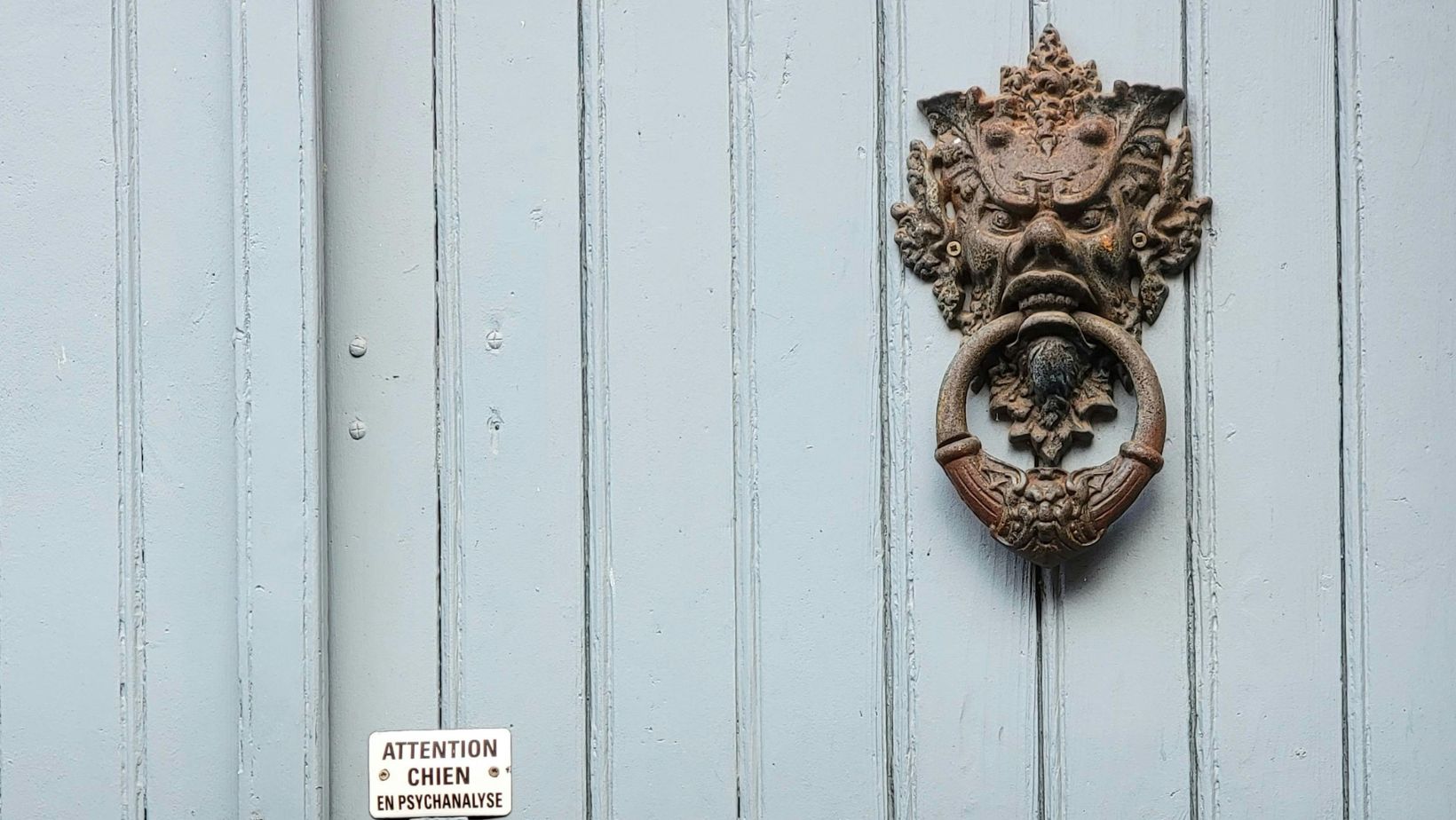
A door that sticks or won’t latch properly seems minor, until you realise how often you interact with it. The cause is usually movement – wood expanding with humidity, hinges loosening, or the house itself shifting slightly over time.
If the door catches along the frame, the simplest fix is often a careful sanding of the problem area, followed by repainting or sealing the exposed wood. If it’s the hinges, tightening screws or replacing them with slightly longer ones can restore alignment. When the latch no longer meets the strike plate, it’s usually a matter of repositioning one or the other. Small adjustments here can completely change how a door feels in daily use. These are small fixes, but they have an outsized effect on how a home functions. A door that closes cleanly restores a sense of order in a way that’s hard to quantify.
The Persistent Problem of Drips
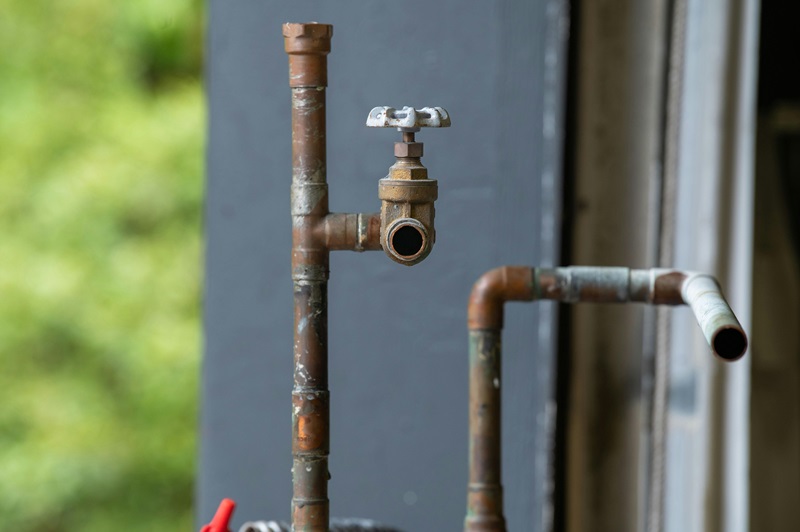
A dripping tap is one of those sounds that becomes impossible to ignore once you notice it. Beyond the annoyance, it’s also a steady waste of water.
Most of the time, the issue comes down to a worn washer or cartridge inside the tap. Turning off the water supply, dismantling the tap, and replacing the faulty component is usually all it takes. It’s a straightforward job, though one that benefits from a bit of patience and attention to how things fit together. More concerning are hidden leaks – under sinks, behind appliances, or within walls. These are the ones that quietly contribute to water damage if left unchecked. A periodic look beneath sinks and around plumbing fixtures can catch these early, before they become something more involved.
Cracks That Raise Questions
Cracks in walls tend to provoke immediate concern, but not all cracks are created equal. Fine hairline cracks in plaster are common, especially in newer homes as they settle, or in older ones that have long since found their equilibrium.
These can often be filled with a suitable filler, sanded smooth, and painted over. They’re cosmetic, not structural. Wider cracks, particularly those that continue to grow or appear around door frames and windows, deserve closer attention. They can indicate movements that may need professional assessment. It’s not about alarm, but about understanding what the house is doing over time.
Electrical Oddities
Flickering lights or sockets that stop working intermittently can feel unpredictable, which is never ideal when electricity is involved. Sometimes the cause is simple – a loose bulb or a tripped circuit. Other times, it points to wiring issues that shouldn’t be handled casually. Checking the consumer unit for tripped breakers is always the first step. If the problem persists or affects multiple areas, it’s best to bring in a qualified electrician. Electrical systems are one of those areas where confidence should be matched with competence.
The Quiet Build-Up of Wear
Not all problems announce themselves. Some accumulate gradually through use. Grout in the bathroom begins to discolour or crumble. Sealant around sinks loses its elasticity and starts to peel away. Floors develop slight unevenness or creaks. These are the kinds of issues that benefit from periodic attention rather than emergency repair. Reapplying sealant, refreshing grout, tightening fixtures – these small acts of maintenance extend the life of a home in ways that aren’t immediately visible, but deeply felt.