Transforming Your Backyard Shed Into a Stunning Multipurpose Living Space

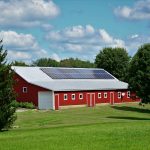
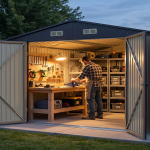
There’s something magical about gazing out at your backyard and seeing potential where others see storage. That dusty shed sitting behind your house? It’s not just a place to stash old paint cans and garden tools anymore. Across Australia, homeowners are discovering that their humble backyard sheds can become extraordinary extensions of their living space—and they’re doing it without breaking the bank or dealing with the headaches of major construction projects.
Whether you’re dreaming of a peaceful home office away from household chaos, a creative studio where inspiration flows freely, a games room for weekend entertainment, or even a cozy guest retreat, your shed is waiting for its moment to shine. The beauty of shed conversions lies in their versatility and surprising affordability compared to traditional home extensions. You’re working with an existing structure, which means you’ve already got walls, a roof, and a foundation to build upon. What you do with that blank canvas is limited only by your imagination and, let’s be honest, your budget—but even modest investments can yield remarkable results.
Planning Your Shed Transformation: Where Dreams Meet Reality
Before you start swinging hammers or shopping for furniture, take a breath and think strategically about what you’re trying to achieve. I’ve seen too many enthusiastic DIYers dive headfirst into shed conversions only to realize halfway through that they’ve overlooked critical elements like insulation, electrical access, or proper ventilation.
Start by asking yourself some fundamental questions: What will this space primarily be used for? Will you need plumbing, or can you make do without it? How often will you realistically use this space? Is it a daily workspace or a weekend retreat? Your answers will shape every decision that follows, from insulation requirements to furniture choices.
Next, get brutally honest about your shed’s current condition. Walk around it with a critical eye. Check for structural issues, water damage, or pest problems. Look at the roof—is it sound, or will you need repairs before moving forward? Inspect the foundation. A solid floor is non-negotiable if you’re planning to create a comfortable living space. These aren’t the glamorous parts of renovation, but addressing them now will save you countless headaches (and dollars) down the track.
Consider the practical aspects of access and utilities. Can you easily run electricity to the shed? Many modern conversions require at least basic electrical work for lighting and power outlets. If your dream involves a kitchenette or bathroom, you’ll need to factor in plumbing, which can significantly increase costs and complexity. Think about natural light—does your shed have adequate windows, or will you need to install more? Southern exposure in Australia can be tricky, so consider how the sun moves across your yard throughout the day.
Don’t forget about council regulations and permits. While many shed conversions fall under permitted development, some councils require approvals, especially if you’re planning structural changes or adding plumbing. A quick call to your local council can save you from expensive mistakes. It’s not exciting, but it’s essential.
Creating the Foundation: Flooring That Transforms Everything
Here’s something most people don’t realize until they’re knee-deep in a shed conversion: your flooring choice will fundamentally affect how the entire space feels. Get it wrong, and your shed will always feel like, well, a shed. Get it right, and visitors will genuinely forget they’re standing in what was once a storage space for lawn mowers.
The floor is quite literally your foundation for transformation, and it needs to tick several boxes simultaneously. It must be durable enough to handle the shed’s unique environment—temperature fluctuations, potential moisture issues, and whatever activities you’re planning. It needs to look good because aesthetic matters when you’re trying to create an inviting space. And ideally, it should be relatively easy to install because let’s face it, most of us are working with limited time and budgets.
Traditional hardwood floors, while beautiful, can be problematic in shed conversions. They’re expensive, require careful climate control, and can warp or buckle with the temperature and humidity changes that even insulated sheds experience. Carpet seems cozy but presents its own challenges—it’s harder to clean, can trap moisture, and frankly, it’s difficult to make carpet look sophisticated in a shed environment.
This is where modern laminate floors have become the go-to choice for savvy renovators. They offer the warm, natural appearance of hardwood or stone without the maintenance headaches or price tag. Quality laminate can withstand the environmental challenges of shed spaces while providing that crucial element of style that helps your conversion feel like a proper room rather than a dressed-up storage area.
What makes laminate particularly clever for shed conversions is the installation process. Many systems use click-lock technology, meaning you can lay them over existing concrete or plywood floors without adhesives or complex tools. This is perfect for weekend DIYers and dramatically reduces installation time. Plus, if you’re working with an uneven floor (common in older sheds), laminate’s floating installation can accommodate minor imperfections more forgivingly than other options.
Consider the color and texture carefully. Lighter colors can make small sheds feel more spacious and bright, while darker tones create a cozy, intimate atmosphere. Think about how the flooring will complement your planned furniture and decor. And don’t cheap out here—invest in decent underlay for insulation and sound dampening. Your feet will thank you, especially if you’re creating a workspace where you’ll spend hours standing or sitting.

Smart Storage Solutions: Maximizing Every Square Inch
Once you’ve sorted your flooring, it’s time to tackle what will make or break your shed conversion’s functionality: storage. Sheds, by nature, tend to be compact spaces. Even larger ones feel smaller once you start adding furniture and equipment. The secret to a successful conversion isn’t just about what you put in—it’s about how cleverly you organize what you put in.
Think vertically. Seriously, this might be the single most important tip I can offer. Most people focus on floor space and forget that they’ve got walls reaching up to ceilings that are essentially wasted real estate. Wall-mounted storage systems, floating shelves, pegboards, and overhead racks can multiply your storage capacity without eating into your precious square footage.
But here’s where people often go wrong: they grab random storage solutions without thinking about the specific items they need to store. Start by making a list of everything that will live in this space. If it’s a home office, you’re looking at books, supplies, maybe some equipment. An art studio needs storage for supplies, canvases, and tools. A games room requires space for board games, consoles, and probably some snacks. Each use case demands different storage approaches.
For smaller items that tend to create clutter—craft supplies, office materials, tools, hobby equipment—investing in a quality shelf organiser system can be transformative. These aren’t just practical; they’re visual game-changers. When everything has its designated spot, your space automatically looks more intentional and professional. The difference between a cluttered craft corner and an inspiring creative studio often comes down to thoughtful organization.
Consider adjustable shelving systems that let you reconfigure as your needs change. Fixed shelves look nice, but flexibility is valuable in multipurpose spaces. Modular systems let you adapt heights and configurations as you acquire new equipment or shift how you use the space. And don’t overlook hidden storage opportunities—under built-in seating, inside hollow ottomans, or behind cabinet doors that blend seamlessly with your walls.
Lighting inside storage areas matters more than you’d think. If you can’t see what’s in your storage, you won’t use it efficiently. Simple LED strip lights inside cabinets or above shelving cost little but make a massive difference in functionality. And while we’re on practical details, make sure your storage solutions don’t block windows or ventilation. Good airflow in shed conversions is crucial for preventing moisture buildup and maintaining comfort.

Furnishing Your Space: Comfort Meets Functionality
Alright, you’ve got beautiful floors and smart storage sorted. Now comes the fun part—choosing furniture that makes your converted shed feel like a genuine living space rather than a glorified storage unit. This is where your vision really comes to life, but it’s also where things can go sideways if you don’t think carefully about scale, function, and quality.
The biggest mistake I see in shed conversions is using furniture that’s either too large for the space or too flimsy to feel permanent. Your shed conversion deserves real furniture, not hand-me-downs from your garage or that wobbly desk you’ve been meaning to throw away. At the same time, you need to be mindful of proportions. A massive sectional sofa that works in your living room will overwhelm a 4×3 meter shed and make it feel cramped.
Start with your anchor pieces—the furniture items that define the space’s primary function. For a home office, that’s your desk and chair. For an art studio, it’s your work table. For an entertainment space, it’s your seating. Choose these pieces first, ensuring they’re appropriately scaled for your shed’s dimensions. Measure twice, buy once—seriously, I can’t stress this enough.
Multi-functional furniture is your best friend in shed conversions. Desks with built-in storage, ottomans that open for storage, fold-down tables that tuck away when not needed—these pieces let you maximize functionality without cluttering the space. Look for furniture with vertical elements that draw the eye upward, making ceilings feel higher and spaces feel larger.
If you’re creating a social space—perhaps a backyard entertaining area, a cozy reading nook with space for guests, or a multipurpose room where you might have friends over for cards or board games—investing in comfortable, stylish seating is non-negotiable. This is where many converters face a challenge: finding quality seating that fits shed-appropriate dimensions without looking cheap or childish.
For Sydneysiders specifically, there are excellent local options for finding properly scaled, quality pieces. When you need seating that looks sophisticated but fits compact spaces, checking out dining chairs Sydney suppliers can yield surprisingly versatile solutions. Dining chairs work brilliantly in converted sheds because they’re designed to be both comfortable and space-efficient. They can be paired with a small table for working or eating, arranged around a coffee table for socializing, or even used as standalone accent pieces. Plus, quality dining chairs are built to last and come in styles ranging from sleek and modern to warm and rustic, so you can match your shed’s aesthetic perfectly.
Think about mobility too. Furniture on casters or lightweight pieces that can be rearranged give you flexibility to adapt your space for different activities. Maybe you need an open floor for yoga on Tuesday mornings and a cozy setup for movie nights on Fridays. Movable furniture makes that possible without requiring a complete redesign each time.
Don’t forget about textiles. Cushions, throws, and rugs add warmth and comfort while helping with acoustics (shed conversions can echo without soft materials to absorb sound). Choose fabrics that can handle temperature fluctuations and are easy to clean. Indoor-outdoor fabrics work beautifully in shed environments.

The Finishing Touches: Details That Elevate Your Space
You’re so close now. Your shed has great flooring, smart storage, and comfortable furniture. But there’s a gap between “finished” and “finished beautifully,” and that gap is filled with thoughtful details that many people rush through or overlook entirely.
Lighting deserves more attention than it typically gets. A single overhead bulb won’t cut it. Layer your lighting with ambient (overhead or ceiling), task (desk lamps, reading lights), and accent (highlighting artwork or architectural features). Dimmable lights let you adjust the mood and functionality. Warm-toned bulbs (2700-3000K) create cozier atmospheres, while cooler tones (4000-5000K) are better for workspaces. Don’t underestimate the impact of a beautiful lamp or statement pendant light—these become focal points that signal “this is a designed space, not an afterthought.”
Window treatments matter, especially if your shed faces neighbours or gets harsh direct sun. But avoid heavy curtains that make spaces feel closed in. Consider roller blinds, sheer curtains, or even plantation shutters that give you privacy control while maintaining brightness. If your shed lacks adequate natural light, think creatively—skylights can be added to many shed roofs and dramatically transform the space.
Wall treatments are another area where a little effort goes a long way. Fresh paint is obvious, but consider feature walls with wallpaper, shiplap, or even gallery walls of artwork and photos. These personal touches make the space feel intentionally designed rather than simply functional. Plants work wonders too—they add life, improve air quality, and fill empty corners. Choose low-maintenance varieties if you’re not naturally green-thumbed.
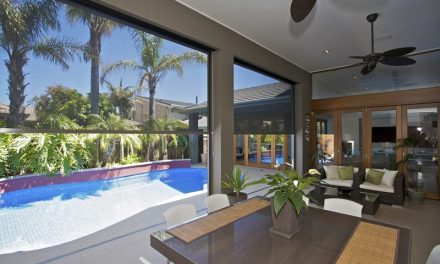
Temperature control is practical but worth mentioning here because it affects comfort significantly. Insulation is your first line of defense, but you’ll likely need supplementary heating or cooling. Split system air conditioners work well if you can accommodate the external unit. Otherwise, portable heaters and fans, properly rated for the space, keep things comfortable year-round. For added convenience and security, installing electric roller shutters in Melbourne can help control light, airflow, and privacy in your converted shed, making the space more comfortable and functional year-round.
Finally, don’t neglect the entrance. First impressions matter. A proper doormat, good exterior lighting, maybe a small seating area or potted plants outside the entrance—these details signal that your shed conversion is special. They also create a transition zone between backyard and interior, helping the space feel more distinct and purposeful.
Your Backyard Oasis Awaits
Converting a backyard shed isn’t just about adding square footage—it’s about creating possibility. It’s a morning coffee in your private office before the house wakes up. It’s finally having dedicated space for hobbies that have been crammed into corners. It’s hosting friends in your entertainment space without disrupting your main home. It’s having guests stay over without surrendering your living room to an air mattress.
The transformation from storage shed to living space doesn’t require enormous budgets or professional contractors, though both can certainly help. What it requires is thoughtful planning, attention to the fundamentals like flooring and storage, and willingness to invest in quality pieces that make the space genuinely livable. Start with the basics, get those right, and build from there. Your converted shed will reward you with years of functionality and enjoyment, all while adding value to your property and enriching your daily life. That dusty shed in your backyard? It’s not just storage anymore—it’s potential, waiting for you to unlock it.