Signs Your Gas Ducted Heating System Needs Servicing
Many homeowners wait until their heating breaks down before they think about servicing a gas heater. This leads to unexpected cold snaps and pricey emergency repairs. When you ignore early warning signs, bigger problems emerge and energy bills inflate. Regular gas heater maintenance is significant for optimal performance and safety.
Most manufacturers and experts recommend annual gas heater service. The ideal time is before the cold season starts. If you’re unsure where to start, the team at AC Doctor specialise in gas ducted heating and can help you understand how often your system should be serviced and what warning signs to watch for. Recognising these signs early prevents emergency breakdowns and unsafe conditions. In this piece, we’ll walk you through the signs your system needs attention and what happens during a professional service. You’ll also learn how to maintain your gas ducted heating system effectively.
Why Gas Heater Maintenance is Essential
Safety Concerns You Can’t Ignore
Gas heater maintenance protects your family from carbon monoxide poisoning, a silent threat you can’t see or smell. Carbon monoxide forms whenever gas burns. When systems function the way they should, this dangerous gas vents safely outside. Problems arise when components deteriorate over time.
Heat exchanger cracks represent one of the most common causes of carbon monoxide leaks and often result from heat damage that develops over time. Standards require you to have your gas heating appliances professionally serviced at least once every two years by a licensed gasfitter. Regular servicing gives technicians a chance to check carbon monoxide levels and identify deterioration before it poses a risk.
You can mistake carbon monoxide poisoning symptoms for common winter ailments. Dizziness, headaches, nausea, weakness, or shortness of breath while at home could signal a leak. The danger multiplies when people and pets get sick at the same time or when symptoms only appear while you’re inside. Licensed technicians performing safety checks test for carbon monoxide spillage and negative pressure, two critical risks for poisoning.
Effect on Energy Bills
Heating accounts for around one third of a typical home’s energy costs. Sustainability Victoria reports that running costs to heat a medium 160sqm home can vary from around $1,830 per year for a multi-split reverse-cycle air conditioner system up to more than $4,130 for ducted gas heating.
These costs increase when your heater works less efficiently. Research findings indicate that energy losses between 14% and 20% occur in most tests when systems aren’t managed properly. When several faults coexist, energy use increases.
Professional servicing addresses efficiency killers. Technicians clean burners and fans, check gas pressure, and confirm proper ventilation to help the appliance run as intended. Dust and debris accumulating on filters, burners, and fan motors during inactive months force systems to work harder. This drives up energy bills while reducing heating effectiveness.
Extending Your System’s Lifespan
Most manufacturers advertise a lifespan of around 15 to 20 years for new heater systems, but only if you maintain the system according to manufacturer recommendations. Without gas heater maintenance, your heater may last fewer than 15 years. You may need to spend thousands of dollars for a replacement unit ahead of time.
Professional technicians get into inner components during routine service and identify hidden issues that could get pricier and more complex the longer they’re left unaddressed. Timely appliance repairs at this stage keep small faults from escalating into major breakdowns down the line. Regular servicing protects your investment for years beyond typical equipment warranties and prevents premature failures.
Common Signs Your Gas Ducted Heating Needs Service
Unusual Noises Coming From Your System
A low hum during operation is normal. Loud banging, rattling, or whistling sounds point to problems. Banging at the time the heater starts often indicates expanding ductwork, though it can also mean delayed ignition where unburnt gas ignites suddenly. High-pitched whistling points to restricted airflow from dirty filters, blocked vents, or closed dampers. Rattling suggests loose panels or screws. It might indicate a failing fan motor or imbalanced blower wheel. Deep rumbling or booming means the burner is dirty or the heat exchanger is cracked and could cause carbon monoxide leaks.
Inconsistent Heating Across Rooms
Some rooms stay freezing while others overheat. Several issues could be at play. Leaking ductwork often causes this problem. Studies show that ductwork leaking about 20% of heated air can force the HVAC unit to work approximately 50% harder to maintain the same conditions. Small leaks at joints or duct surfaces hamper proper circulation. The effects are more pronounced in distant rooms. Poor insulation in older systems allows hot air to lose heat energy as it travels through ducts.
Strange or Burning Odours
A mild dusty smell at the start of the season is normal and fades quickly. Persistent musty odours indicate mould growth inside ducts, which is common in unused systems. A rotten egg smell means a gas leak and requires immediate action. Electrical or burning plastic scents suggest overheating components or short-circuiting.
Weak Airflow From Vents
Poor airflow stems from dirty filters, clogged ducts, or blower fan problems. Dust, pet hair, and debris restrict airflow and reduce efficiency over time.
Yellow or Flickering Pilot Light
Your pilot light should burn blue and steady. A yellow or orange flame indicates incomplete combustion and potential carbon monoxide leaks. Flickering results from dirt accumulation that obstructs gas flow.
Rising Energy Costs
Unexplained spikes in energy bills often point to inefficient operation that requires professional attention.
What Happens During a Gas Heater Service
Visual Inspection and Safety Checks
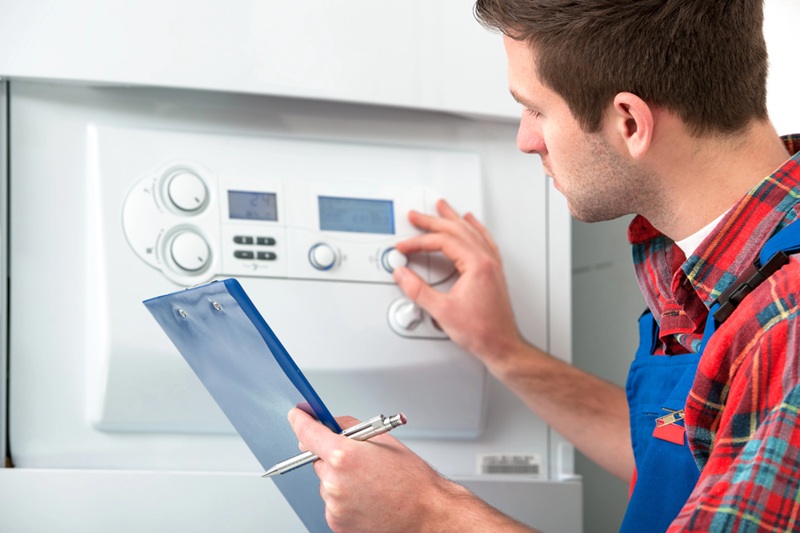
Licensed technicians begin servicing a gas heater with a complete visual inspection of all components, fittings and pipelines to identify obvious damage, wear or leaks. They inspect the heat exchanger for cracks, a critical step since damaged heat exchangers cause carbon monoxide leaks. Technicians check mounting levels to confirm safe installation.
Carbon monoxide testing represents the most important safety procedure. Technicians use specialised equipment to conduct spillage tests on heating appliances and measure whether toxic gas escapes into living spaces. They perform negative pressure tests to confirm carbon monoxide isn’t being drawn inside through flues or chimneys. Technicians pay close attention to ventilation since inadequate airflow creates dangerous carbon monoxide buildup.
Technicians test electrical connections for voltage to detect overdrawing power or unusual consumption in older systems. Thermostat calibration ensures accurate temperature control and addresses issues from ageing or renovations.
Filter Cleaning and Replacement
Technicians inspect return air filters and grilles, which accumulate dust and debris that restricts airflow and reduces efficiency. Clean filters protect delicate furnace components and prevent overheating. Filters with visible dirt buildup or grey discolouration require replacement.
Gas Pressure and Leak Detection
Gas pressure measurements confirm the system operates within safe ranges. Technicians test the main gas line for pressure retention with specialised instruments that have digital reporting. They employ gas leak detectors to pinpoint even minuscule leaks. Technicians verify burner operation to ensure efficient gas combustion without harmful emissions.
Ductwork Examination
Professionals inspect ductwork for blockages, damage or leaks affecting warm air distribution. They check airflow from all outlets to identify restrictions. Technicians examine flue connections since this system removes harmful gases from your home.
How Often Should Gas Heaters Be Serviced
Manufacturer Recommendations
Standards require professional servicing of gas heaters and ducted heating systems at least once every two years by a licensed gasfitter. Energy Safe Victoria and Better Health Victoria both call for this minimum two-year cycle, which must include carbon monoxide testing. But many manufacturers and heating professionals recommend annual servicing for optimal performance and safety.
Rental providers in Victoria must arrange gas safety checks every two years by a licensed or registered gasfitter with proper endorsement and keep records of those checks. This isn’t just a recommendation for rental properties. Scheduling your gas heater service around May, before winter arrives, gives the unit the best chance to function as needed when you need it most.
Signs You Need More Frequent Service
Certain circumstances warrant more frequent attention than standard recommendations. Older systems over 10 to 15 years benefit from servicing twice yearly or more frequent inspections. Heavy usage throughout winter months requires more regular maintenance as well.
Environmental factors matter too. Homes in dusty areas or near construction sites need more frequent filter changes and duct cleaning. Technicians might recommend additional check-ups if your system experienced problems previously. Book a service right away when you can’t find recent service records after moving into a home with an older gas heater.
Conclusion
Regular gas heater servicing protects your family from carbon monoxide risks and keeps energy bills under control. Spot warning signs early to prevent pricey emergency repairs and extend your system’s lifespan beyond the typical 15 to 20 years.
Schedule professional servicing at least every two years, though annual maintenance delivers optimal results. Book your service before winter arrives, and don’t ignore unusual noises, strange odours, or yellow pilot lights. These steps safeguard both your heating investment and your household’s wellbeing.