Making Your Garden Work for Everyday Life
Your garden doesn’t need to be perfect for it to be useful; it just needs to work for how you live and how you use it. Some outdoor spaces look great but don’t get used; others feel unfinished or hard to manage. The difference usually comes down to a few practical choices. If you focus on how you actually use your garden, it’s going to become a space that you can enjoy more often.
Start With Boundaries and Privacy
A good garden start to clear edges. Boundaries have to find your space and give you a sense of privacy; without them, a garden can feel very exposed or sometimes incomplete. This is where fencing makes a real difference. It helps to create structure, improve security, and help your garden feel like part of your home rather than just an open area. You don’t need to have anything that’s complicated; you just need something that fits in with your space and gives you a better separation. Once that’s in place, everything else feels far more settled.
Think About Storage Early
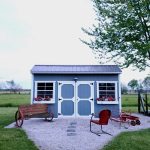
Outdoor clutter can build up very quickly, just like in the home. Tools, equipment, and garden supplies all need a place to go; if they don’t have one, then they end up scattered around, making your space harder to enjoy. That’s why it helps to start planning a shed before things get out of hand. A well-placed shed keeps everything organised and protects tools from the weather. Think about size, location, and access. You want it to be practical, not in the way. Getting this right helps to save you time later on.
Create Areas You’ll Actually Use
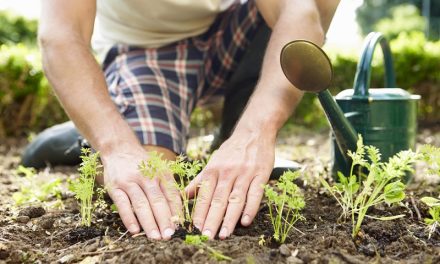
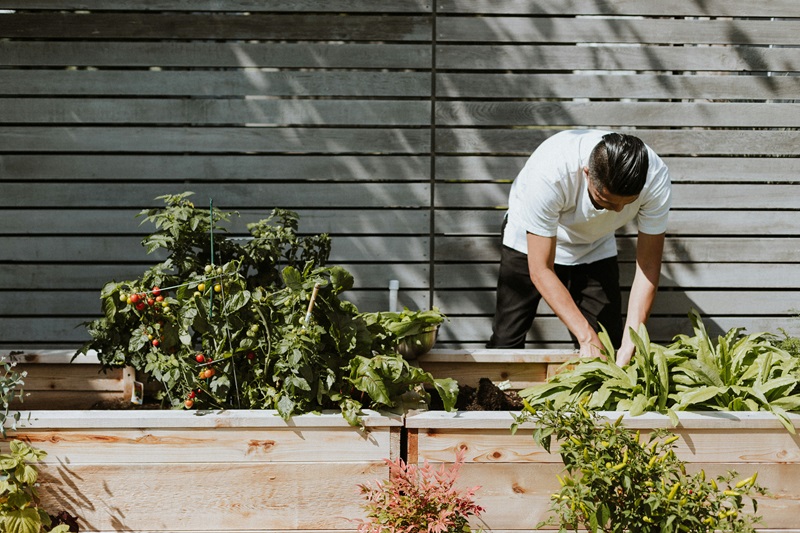
Not every part of your garden has to serve the same purpose; break it into simple zones: a place to sit, a space for kids to play, maybe a small area for planting or growing food. There’s no need for you to section it off perfectly; just give each part a clear use. This makes the space feel more intentional and much easier for you to look after. Even a small garden can feel bigger when it is organised this kind of way.
Keep Maintenance Realistic
It’s very easy to plant something that looks good at first, but then becomes very difficult to keep up with. Choose materials and layouts that match the time you’re willing to spend on upkeep. Low-maintenance plants, simple paving, and easy access to key areas will help. If something takes too much effort, then you’re much less likely to stick with it. A garden should feel manageable, not like another job.
Conclusion
A good garden isn’t about how it looks in photos; it’s all about how it works every single day. You need to focus on the structure, storage, and simple layout choices. Make sure you keep things nice and practical and easy to manage. When your garden fits your routine, you will naturally spend more time in it, and that’s what makes it feel like it is part of your home.