How to Make a Long-Distance Move Feel More Manageable
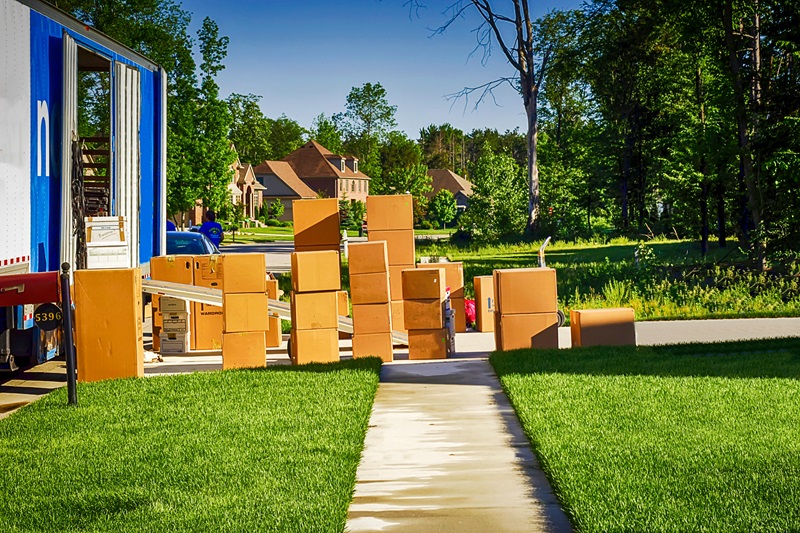
Moving to a new city or state can feel exciting, but the actual move can quickly become stressful. A long-distance move is more than just packing boxes; it’s a huge life change that needs careful planning. The sheer number of things to do can seem overwhelming, but if you break it down into smaller steps, the whole experience can be much smoother and less stressful.
Start with a Master Plan (and a Calendar)
The minute you know you’re moving, the clock starts. The best way to handle the chaos is to get organized right away. Grab a calendar or use a digital app to plan out your timeline. Work backward from your moving day, giving yourself specific tasks for each week.
For example, eight weeks out might be for looking into moving companies and clearing out clutter. Four weeks out could be for starting to pack things you don’t use often.
Having a visual guide helps you stay on track and avoids last-minute panic. It’s also helpful to create a moving checklist that lists everything from changing your address to canceling local subscriptions.
Declutter Ruthlessly Before You Pack
Every item you own costs something to move, whether it’s for packing supplies, space on a truck, or your own time and energy. Before you even think about packing a single box, look at your belongings carefully. A long-distance move is the perfect chance to get rid of things you no longer need, use, or love.
Sort items into four groups: keep, donate, sell, and throw away. Be honest with yourself. Will you really use that bread maker in your new apartment? Do you need all 15 of those mismatched coffee mugs? The less you have to pack and move, the easier and cheaper your relocation will be.
Choose Your Moving Method Wisely
For a long-distance move, you have a few main choices, each with its own good and bad points. A DIY move, where you rent a truck and do everything yourself, can be the cheapest but also takes the most effort.
Another option is using portable storage containers; a company drops one off for you to pack, then moves it to your new home.
For the easiest approach, hiring professional removalists is the way to go. They handle the heavy lifting, loading, and moving, which can be a huge relief. Think about your budget, timeline, and physical ability to decide which method makes the most sense for you.
Pack a “First Week” Essentials Box
Pack an essentials box that travels with you in your car or on the plane. This box should have everything you’ll need for the first few days in your new place before you have the energy to fully unpack.
- Basic toiletries and medications
- A change of clothes for everyone in the family
- Phone chargers and a portable speaker
- Instant coffee or tea bags, and a mug
- Basic cooking items (one pot, one pan) and utensils
- Paper towels, trash bags, and all-purpose cleaner
Handle the Administrative Tasks Early
Moving isn’t just about your stuff; it’s also about moving your life. Make a list of all the paperwork and tasks you need to complete. This includes forwarding your mail, telling your bank and credit card companies your new address, and transferring utilities.
You’ll also need to arrange for school records to be sent to your children’s new schools and medical records transferred to new doctors. It’s also a good idea to make a quick list of emergency contacts you should find when moving into a new home, such as a locksmith, plumber, electrician, and roofer, so you know who to call if something urgent comes up.
Doing these tasks a few weeks before your move will save you headaches and possible service interruptions after you arrive.
Lean on Your Support System
Moving is emotionally draining as well as physically tiring. It’s normal to feel a mix of excitement, sadness, and stress. It’s common to find yourself feeling overwhelmed and anxious about leaving friends, family, and a familiar place behind. Don’t be afraid to rely on your support system. Plan farewell get-togethers with loved ones, and figure out how you’ll stay in touch.
On the other end, start building a new community even before you move by joining local social media groups or looking for clubs related to your hobbies.
A long-distance move is a big project, but it doesn’t have to be a nightmare. With a solid plan and a positive attitude, you can make your move to a new home a successful one.