Transporting Shed Building Materials Across Australia
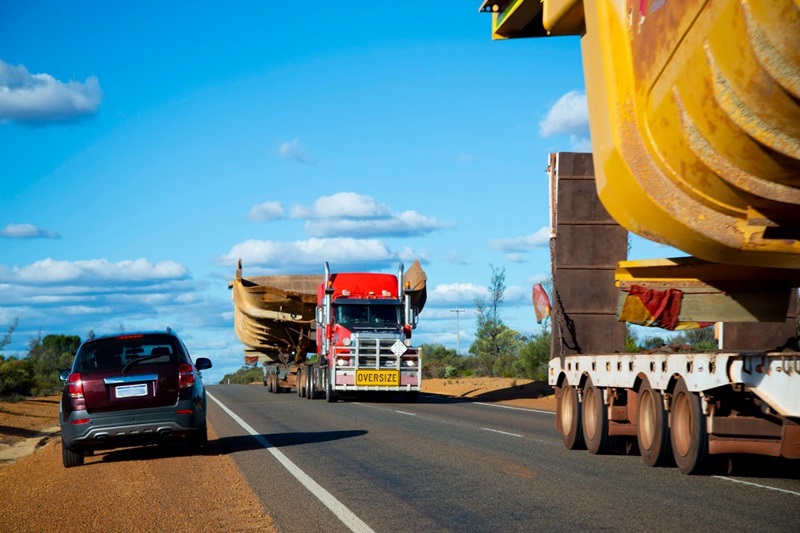
Have you ever passed a truck carrying steel frames, long roofing sheets or an unusually large piece of machinery and wondered where it was going? The journey behind that load holds more moving parts than most people imagine. Sending building materials, bulky machinery, oversized pallets and other ugly freight from one side of Australia to the other is one of the most complex logistics tasks, and freight movers handle it.
If you run a construction business or source construction materials from interstate suppliers, the way your freight gets from one location to another shapes your timeline and budget. In this post, we will explain how the freight-moving process works between Perth, Western Australia, and Sydney, walk through each stage from measuring your load to inspecting it on arrival, and cover the hidden challenges that slow a shipment down.
What is the Freight Moving Process?
The freight-moving process covers everything involved in taking goods from the collection point to the final destination. For construction and manufacturing businesses, this matters because a late delivery, a damaged panel, or a missing component can delay work on site and disrupt the rest of the schedule.
A well-planned freight movement can help:
- Protect materials during loading, transit and unloading.
- Match delivery times with work already planned on site.
- Move large, heavy or unusual items that standard parcel services may not accept.
- Reduce avoidable delays caused by poor access, missing details or unsuitable vehicles.
- Give businesses a better idea of when their materials will arrive and how they will be handled.
The End-to-End Interstate Freight Moving Process
Step 1: Assess the Complete Load
The process begins with a detailed account of everything being moved. The freight provider needs the packed dimensions, weight and quantity of each item, along with photographs where possible. They also need to know whether the goods are fragile, stackable or difficult to lift. A bundle of steel frames, for example, requires different equipment and vehicle space from loose panels, machinery or boxed shed fittings.
Step 2: Prepare and Package the Freight
Packaging must protect the goods through loading, road movement and unloading. Steel frames should be bundled securely, while roofing sheets and wall panels may need edge protection to prevent bending or scratches. Small brackets, bolts and fittings should be packed and labelled separately.
Each package should also be easy to identify, as a single missing component can delay assembly once the materials arrive on site.
Step 3: Choose the Appropriate Shipping Option
The right freight option depends on what you are moving and when it needs to arrive. Smaller boxed items may travel as palletised road freight, while a full-shed order may require more trailer space or its own vehicle. Long beams, wide panels and other awkward pieces often need different equipment and more planning. If the load exceeds standard transport limits, permits or route restrictions may also need to be taken into account.
Step 4: Plan the Interstate Journey
The journey from Perth to Sydney must be planned around both collection and delivery conditions. The freight provider needs to confirm when the goods will be ready, where the truck can park and what equipment is available for loading. Similar details have to be provided at the destination. Access restrictions, delivery hours, unloading space and project schedules all influence how and when the freight can arrive without disrupting work on site.
Step 5: Receive and Inspect the Shipment
Delivery should be organised before the truck reaches the site. The receiver needs enough space, suitable unloading equipment and people available to handle the goods safely. After unloading, each package should be checked against the consignment list, and any visible damage should be photographed immediately. Shed components can then be grouped according to the installation sequence, preventing fittings and smaller parts from becoming lost beneath larger frames or material bundles.
Hidden Challenges Behind Moving Freight Across Different States in Australia
Now comes the elephant in the room. Moving freight across Australia is more than distance. Certain factors affect how conveniently the process takes place:
- Each state sets its own rules on what can travel and how. Oversized shed sections and long frames sometimes require a permit, an approved route, or a specific trailer.
- Heavy, long and awkward items are known in the trade as ugly freight, and not every operator accepts them. It saves time to confirm early that your carrier handles non-standard loads.
- Four to six days is typical between Perth and Sydney. Floods, bushfires and storms close the western highways from time to time, so a buffer in your schedule is worth having.
- Transit cover varies between providers. Asking what is included and what a claim needs, before your shed leaves the depot, puts you in a better position if the order arrives damaged.
Planning a Freight Movement Between Perth and Sydney? Talk to Freight Forwarding Experts!
The stretch between Perth and Sydney runs close to 4,000 kilometres by road, so a shipment of shed components is a genuine cross-country journey. Whether you are fitting out a workshop shed for heavy-duty storage or assembling materials for a pergola build, the freight journey deserves the same care and planning as the construction work itself.
A reliable freight provider can make this process far easier to manage. Getting a freight quote in advance allows you to highlight your order type, dimensions, access conditions, timing priorities and any handling requirements. It also allows you to ask questions, explore suitable transport options and understand any challenges before booking. With everything discussed upfront, you can go ahead with greater confidence and peace of mind.