Common Shed Problems and Their Solutions
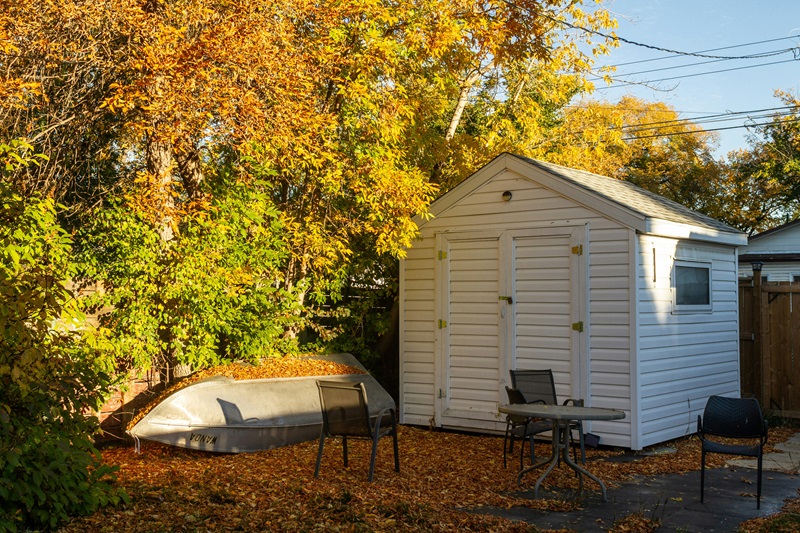
A backyard shed is a fantastic asset. It gives you valuable storage for tools, gardening equipment, or even a spot for your hobbies. But like any structure, sheds can run into common problems if you don’t keep up with maintenance.
Fixing these issues early saves you a lot of time, money, and headaches down the road. From a leaky roof to unwelcome pests, here are some of the most frequent shed troubles and how to solve them.
Dealing with Leaks and Dampness
Finding a puddle on your shed floor or a damp spot on the wall after it rains is a common frustration. Leaks and dampness don’t just damage what you’ve stored; they can also lead to mould, mildew, and wood rot, which weakens the shed’s structure.
Usually, the problem comes from seals around windows and doors that are failing, loose or damaged roofing panels, or cracked flashing. Start by taking a look around. Check all the sealant for cracks. If it’s degraded, peel it away and replace it with a fresh bead of good-quality outdoor silicone.
On the roof, look for any lifted screws or nails and tighten them. If you find a crack or hole in a metal sheet, a specialised roof and gutter sealant can provide a durable patch. For timber sheds, water stains might mean a more serious rot issue that needs immediate attention.
Securing Your Shed from Pests
Your shed can be the perfect home for all sorts of unwanted guests, from spiders and cockroaches to rodents and termites. These pests can cause serious damage, chewing through wires and stored goods, and making the environment unhealthy. Sealing entry points is your first defence. Use expanding foam or caulk to fill gaps around pipes, windows, and the bottom of the shed. Putting a door seal or weatherstrip at the bottom of the door can also keep critters out.
For timber sheds or those with wooden frames, termites are a particularly destructive threat. They can silently eat away at the shed’s structural parts, causing irreversible damage before you even notice them. If you see signs of termite activity, like mud tubes or hollow-sounding timber, it’s important to get professional termite treatment to protect your investment. Regular inspections are key to catching an infestation early.
Rust Prevention and Treatment
If you have a steel shed, rust is always a concern. It often starts from scratches in the paint that expose the metal to moisture, or from constant condensation inside the shed. Those orange-brown patches can be alarming because they can weaken the metal panels over time. Many shed owners have shared stories about how condensation drips are rusting tools and shed components.
To treat existing rust, you’ll need to sand the affected area back to bare metal, put on a rust converter or metal primer, and then finish with a matching topcoat of paint to seal it from the elements. Preventing rust is always better than fixing it. Wash your shed regularly to remove dirt and corrosive materials, and quickly touch up any scratches you find. Improving ventilation can also significantly cut down on the condensation that causes rust to form from the inside.
Structural Integrity Concerns
Your shed’s stability completely depends on its structural integrity, right from the ground up. An uneven or shifting foundation is one of the most serious problems a shed can face. It can lead to door frames that are out of square, windows that stick, and uneven floors. It can even make the whole structure lean.
Regularly check that your shed is level and that the base is solid. For sheds on a concrete slab, look for big cracks. For those on stumps or bearers, make sure everything is stable and that no timber is rotting or affected by pests. Following basic shed maintenance tips like checking for and tightening loose bolts and screws in the frame, can help keep everything square and secure. If you notice a lot of movement or sagging, you might need to re-level the shed, which can be a complicated job.
Improving Ventilation
Poor ventilation causes many shed problems, including condensation, mould growth, and rust. A shed without good airflow can become a hotbox in summer and a damp trap in winter. This still, moist air creates the perfect environment for mildew to grow on your stored items and for corrosion to attack your metal tools and shed panels.
Improving airflow doesn’t have to be complicated or expensive. Installing a couple of simple wall vents can make a huge difference by letting air circulate naturally. For a more effective solution, think about adding a whirlybird to the roof. These wind-powered turbines actively pull hot, moist air out of the shed. Even just getting into the habit of opening the door and any windows for an hour or so on a dry day can help air out the space.
A little bit of proactive maintenance goes a long way in making your shed last longer and protecting what’s inside. Taking an afternoon to inspect your shed for these common issues can help you catch them early and keep your backyard structure in top shape for years to come.