Shed Security Planning: How to Protect Tools, Vehicles, and Storage Buildings from Break-Ins
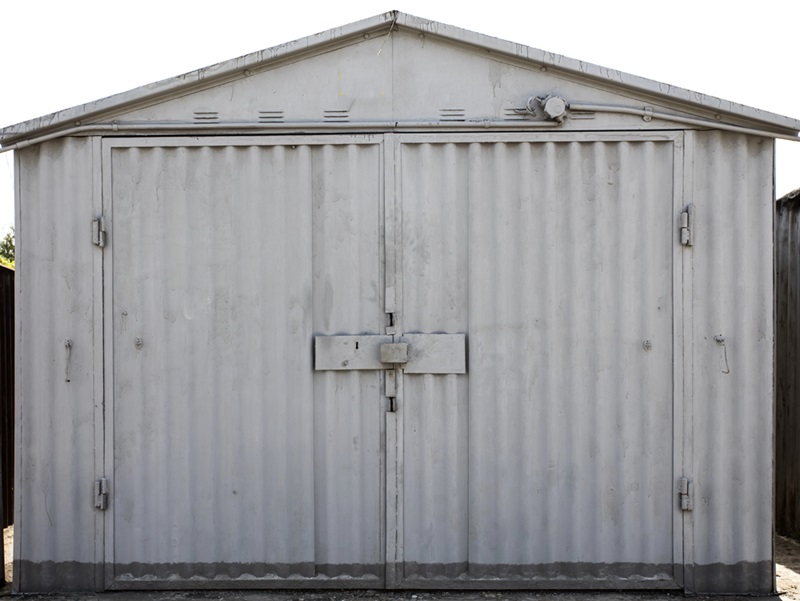
A shed is often considered a simple outbuilding until something goes missing. However, for many Australian property owners, the shed is where valuable items such as power tools, garden equipment, bicycles, machinery, stock, camping gear, generators, ladders, trailers and work vehicles are stored. While a house may have locks, lighting and an alarm, the shed at the back of the property relies on a roller door and a padlock.
Good shed security begins before a break-in occurs. The aim is to make forced entry more difficult and reduce blind spots, while also enabling the early detection of activity and providing the owner with a clear alert when something is wrong.
Why sheds are attractive targets
Sheds, garages and storage buildings are usually more easily accessible than the main house. They may be hidden behind fences, positioned near a side gate or rear laneway, or separated from living areas. Noise from a roller door or side entry may not be audible inside the house, particularly at night or in bad weather.
The contents are also easy to move and resell. A thief does not need to search through bedrooms or offices. In many sheds, the most valuable items can be seen within seconds, such as cordless tools, bikes, lawn mowers, compressors, welders and chainsaws, or trade equipment. For a small business or tradesperson, a break-in can result in the business being unable to work the next morning.
This is why shed security should be planned as a layered system, rather than relying on a single lock.
Start with the physical weak points.
Check the basic structure before adding cameras or alarms. The usual weak points are roller doors, side doors, sliding doors, windows, skylights and wall sheets. While a quality lock is important, the frame, hinges, screws and surrounding material are equally important.
The lock on roller doors should prevent the door from being lifted or forced sideways. For personnel access doors, use hardware that suits both the frame and how the shed is used. A door that is opened daily needs a practical lock; one that is so inconvenient that people leave it unsecured is not suitable. If you are storing motorcycles, trailers or expensive equipment inside, consider installing ground anchors or internal securing points as an additional security measure.
Lighting is also important. A dark shed is easier to approach and attack. Motion-activated lights near access points can make the space less attractive to intruders, but they should be aimed carefully so as not to annoy neighbours or create glare for the homeowner.
Add detection before someone gets inside.
The biggest mistake is to think of an alarm system only as something that activates after entry has been made. For sheds, garages and storage units, early detection is often more useful. A sensor on the roller door, side door or external access point can alert the owner before the thief has time to steal anything.
This is particularly important for detached structures. A garage or shed may not be protected by the main house alarm if the building is separate, has no cabling, or is beyond the practical range of traditional wired devices. In such cases, wireless outdoor detection systems that are professionally installed and tested can be a better fit.
For owners comparing options, professional outdoor security for garages and sheds can combine door contacts, outdoor motion detection, app alerts, sirens and monitoring-ready configuration without treating the shed like a standard indoor room.
Where cameras help — and where they do not
CCTV is useful, but it should not be the only security measure in place. While a camera can show what happened, help identify a vehicle and support an insurance claim, it may not prevent theft unless it is paired with lighting, alerts and practical access control.
When placing cameras, focus on the approach path rather than just the inside of the shed. Useful views include the driveway, side gate, roller door, pedestrian door, and any rear access points. Avoid mounting cameras too high up, as this will only capture the tops of caps or hoodies. A lower, protected angle often provides a clearer view.
In rural areas, where there are often workshops and larger storage sheds, cameras may need to cope with long distances, poor lighting, dust, insects and changing weather conditions. In such situations, selecting the right cameras is as important as the number of cameras installed. Having more cameras does not necessarily mean better coverage. A few well-placed cameras are usually more effective than several poorly aimed ones.
Consider power, Wi-Fi and mobile backup.
Many shed security systems are ineffective due to weak power or poor network coverage. For example, a detached shed at the back of a property may not have reliable Wi-Fi. A farm shed may be far from the house. Similarly, a commercial storage building may have power but no stable internet connection.
Before choosing your equipment, check how alerts will be sent. Does the system only depend on Wi-Fi? Is Ethernet available? Is a mobile backup required? If the internet connection fails, will the owner still receive an alarm notification? These questions are not just technical details; they determine whether the system will work when it is needed.
For sheds containing expensive tools or business stock, a security hub with multiple communication paths is a more reliable option than a simple camera app, which stops working when the network fails.
Make security practical for daily use.
A shed security system must reflect real behaviour. For example, if the owner uses the shed every morning, the system should be straightforward to activate and deactivate. If staff, family members or contractors require access, the relevant permissions should be clearly defined. If the shed is only used at weekends, automatic reminders or scheduled arming could be helpful.
False alarms are another common problem. Outdoor sensors must be positioned in a way that avoids triggering from pets, moving branches, reflective surfaces, passing cars and heat from metal walls or roofs. If a sensor triggers constantly, it will eventually be ignored or turned off. A professional setup should include walk testing and sensitivity adjustment, as well as a clear handover to ensure the owner understands how to use the system.
Security for Different Types of Shed
A backyard garden shed may only require a stronger door lock, motion-activated lighting and a basic alarm system. A garage containing bikes, tools or a motorbike would require stronger detection around the roller door, as well as internal confirmation of any entry. A workshop may require cameras, access control, smoke and water leak detection, and separate user codes. A farm shed may require long-range wireless devices, a mobile backup system and cameras positioned to cover the gates, machinery bays and fuel storage area.
The right design depends on what is being stored, how often the shed is being used, and how quickly the owner needs to access it.
Do not wait until after the first theft.
Many security upgrades to sheds happen after a break-in. By that point, the cost goes beyond just the stolen items. There may also be damaged doors, lost working hours, insurance delays, and a sense that the property is no longer private.
A better approach would be to walk around the shed and view it as an intruder would. Where is the best place to approach it from? Which door is the weakest? Can the roller door be lifted? Can you see any tools through a window? Would anyone hear activity at night? Would the owner receive an alert before the shed is emptied?
While shed security does not have to be complicated, it should be planned. Strong physical barriers, sensible lighting, an early-detection system, correctly placed cameras and reliable alerts can transform a vulnerable outbuilding into a secure part of the property.