A Beginner’s Guide to ETFs: A Simpler Way to Start Investing
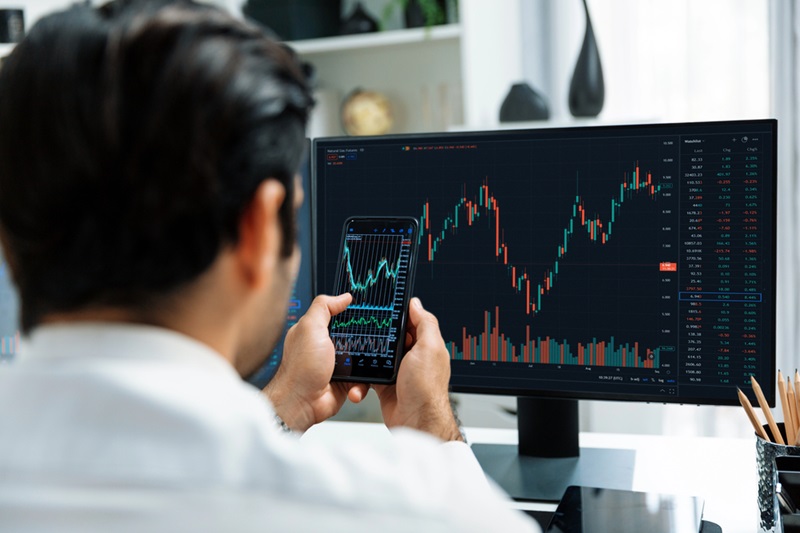
There are so many options out there that it might be overwhelming for first-time investors. Every investment vehicle, equities, managed funds, index funds, and exchange-traded funds (ETFs), has its own language and level of risk. Because they address a common issue novice investors face, how to diversify their portfolios without sifting through the finances of dozens of different companies, exchange-traded funds, or ETFs, have quickly risen in popularity among new investors.
What an ETF Actually Is
If you are still comparing investing platforms, POEMS Trade Australia is a great place to check for access to the market, trading tools and options for investments.
An exchange-traded fund (ETF) is an investment vehicle that functions like a regular share but holds a diversified portfolio of assets. This portfolio may include dozens or even hundreds of individual shares. An exchange-traded fund (ETF) that follows the ASX 200, for instance, is like purchasing a tiny piece of 200 separate Australian firms all at once when you purchase one unit of that fund.
One of the key reasons ETFs are so attractive to newcomers is their structure. An ETF investor takes a larger view of an industry, area, or asset class rather than focusing on specific firms and trying to predict their performance.
Why Beginners Gravitate Toward ETFs
Built-in diversification.
Investing in a wide range of firms, industries, or even nations through an exchange-traded fund (ETF) can help reduce the impact of a single underperforming company..
Lower research burden.
A novice investor doesn’t need to know the ins and outs of each firm’s finances to pick an exchange-traded fund (ETF) that tracks a broader concept, such as exposure to developing markets, global technology, or a specific commodity.
Transparency and liquidity.
Instead of waiting for a valuation at the end of the day, as with certain conventional managed funds, investors in exchange-traded funds (ETFs) can view real-time pricing and buy or sell during market hours.
Generally lower fees.
Typically, cheaper rates. Over the long run, investors can save money by purchasing exchange-traded funds (ETFs) that track broader indexes rather than actively managed funds.
Common Mistakes New ETF Investors Make
While exchange-traded funds (ETFs) may seem to require little analysis given their apparent simplicity, inexperienced investors often make the following blunders. To give the impression of diversity while really concentrating risk, it is possible to purchase many ETFs with substantially similar underlying assets. A second common mistake is trying to get into themed exchange-traded funds (ETFs) that have been trending recently without first learning what they include.
Before including an ETF in a portfolio, it is wise to research its holdings thoroughly, paying attention to more than simply the fund’s name or performance history.
How to Begin
When first starting out with ETFs, novice investors don’t require a complex plan. To gain diversified exposure without requiring in-depth market expertise, a broad-based exchange-traded fund (ETF) tracking a major index is a good place to start. You can start with one ETF and add more as your knowledge and comfort level increase.
This initial step is made much easier if you choose a platform that makes investing in exchange-traded funds (ETFs) easy, with transparent cost structures and access to ETFs both locally and internationally. To help new investors get their feet wet, some platforms now offer fractional investing, which lets them start with smaller amounts rather than paying the full ETF investing unit price upfront.
The Bigger Picture
You should still know your personal financial objectives, risk tolerance, and other relevant factors before investing in an ETF; otherwise, the fund may make poor investment decisions. However, they do offer a reasonable compromise for new investors by providing market exposure, diversification, and simplicity that individual stock picking cannot.
No matter which exchange-traded funds (ETFs) a portfolio ends up with, it is wise to start small, diversify, and avoid short-term trends.